










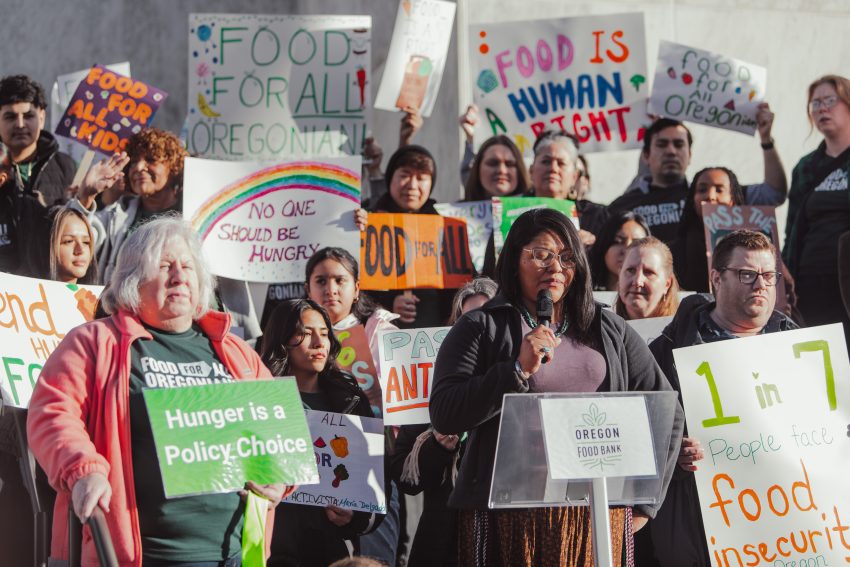
Salem, Ore. — Oregon Food Bank today released its 2026 State of Hunger Report as more than 250 advocates, including children and families, gathered at the Capitol for the Food for All Oregonians coalition Advocacy Day, revealing that hunger in Oregon is at record levels. Key findings show:
-
Food assistance visits across Oregon and SW Washington increased 51% in two years
-
Oregon Food Bank Tillamook County Services saw 28,000 visits last year to food assistance sites
-
1 in 7 people and 1 in 5 kids face food insecurity in Tillamook
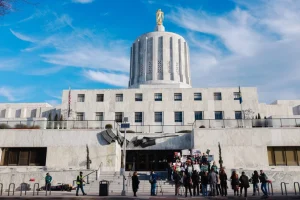 Oregon Food Bank President Andrea Williams delivered the annual State of Hunger Address on the steps of the Oregon State Capitol, unveiling the report’s findings and calling for passage of the Anti-Hunger Package.
“Hunger in Oregon is at record levels and food banks cannot replace a system that keeps hunger growing,” said Andrea Williams, President of Oregon Food Bank. “When food assistance programs are weakened, families lose stability and pantry lines grow. Food is not a privilege or leverage. It is a basic human right. It is policy choices that decide who can eat and we must make better choices.”
The report comes as federal cuts, including H.R. 1, which is the largest reduction to SNAP in the program’s history, make it harder for Oregonians to make ends meet, increasing pressure on local food assistance sites and highlighting the urgent need for state lawmakers to act this session.
 “SNAP brings about half a million dollars a month into Tillamook County,” said Julia Wentzel, Oregon Food Bank Tillamook Regional Manager.
“That money supports local grocery stores, farmers and businesses. When SNAP benefits are cut, it doesn’t just affect hungry families. It affects our entire local economy.”
Rising costs of food, rent and healthcare place growing pressure on Oregonians, and the cuts from H.R. 1 are projected to leave hundreds of thousands of Oregonians with reduced or no SNAP benefits. The report underscores that lasting solutions require state policy action, not reliance on emergency food assistance alone.
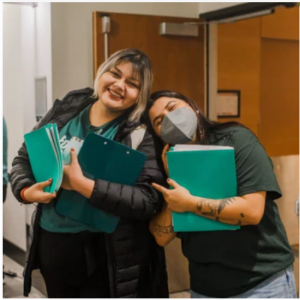 “As a grassroots organizer in a rural community, I see how food insecurity touches every part of our community—from kids and seniors to working families just trying to survive. Farmworkers, single parents, and immigrant families often feel the impact first, but when anyone struggles to put food on the table, our whole community feels it,” said Janet Orozco Ortiz, Tillamook Community Organizer.
“This Anti-Hunger Package helps ensure kids can rely on school meals, families don’t lose vital SNAP support, and food continues reaching those who need it most. Policy only changes when people get involved, and when neighbors speak up together, we can make sure no one is left out.”
The Anti-Hunger Package seeks to:
-
Make sure all kids in Oregon can eat free breakfast and lunch at school, no matter where they live
-
Protect SNAP for Oregonians and sustain our most effective anti-hunger program
-
Provide relief for thousands of immigrants, refugees, asylees, and humanitarian parolees who are losing SNAP benefits due to H.R. 1
-
Fund Oregon’s Food Assistance Network so it can keep food flowing to the growing number of Oregonians experiencing hunger
“We cannot food bank our way out of hunger. Policy created this problem and policy can help solve it,” said Senator Wlnsvey Campos. “Oregonians deserve leaders who prioritize food, stability and opportunity. This session we must rethink hunger and how to end it.”
 ABOUT OREGON FOOD BANK
At Oregon Food Bank, we believe that food and health are basic human rights for all. We know that hunger is not just an individual experience; it is also a community-wide symptom of barriers to employment, education, housing, and healthcare. That’s why we work systemically in our mission to end hunger in Oregon: we build community connections to help people access nourishing, affordable food today, and we build community power to eliminate the root causes of hunger for good. Join us online OregonFoodBank.org and @oregonfoodbank on social media.
