


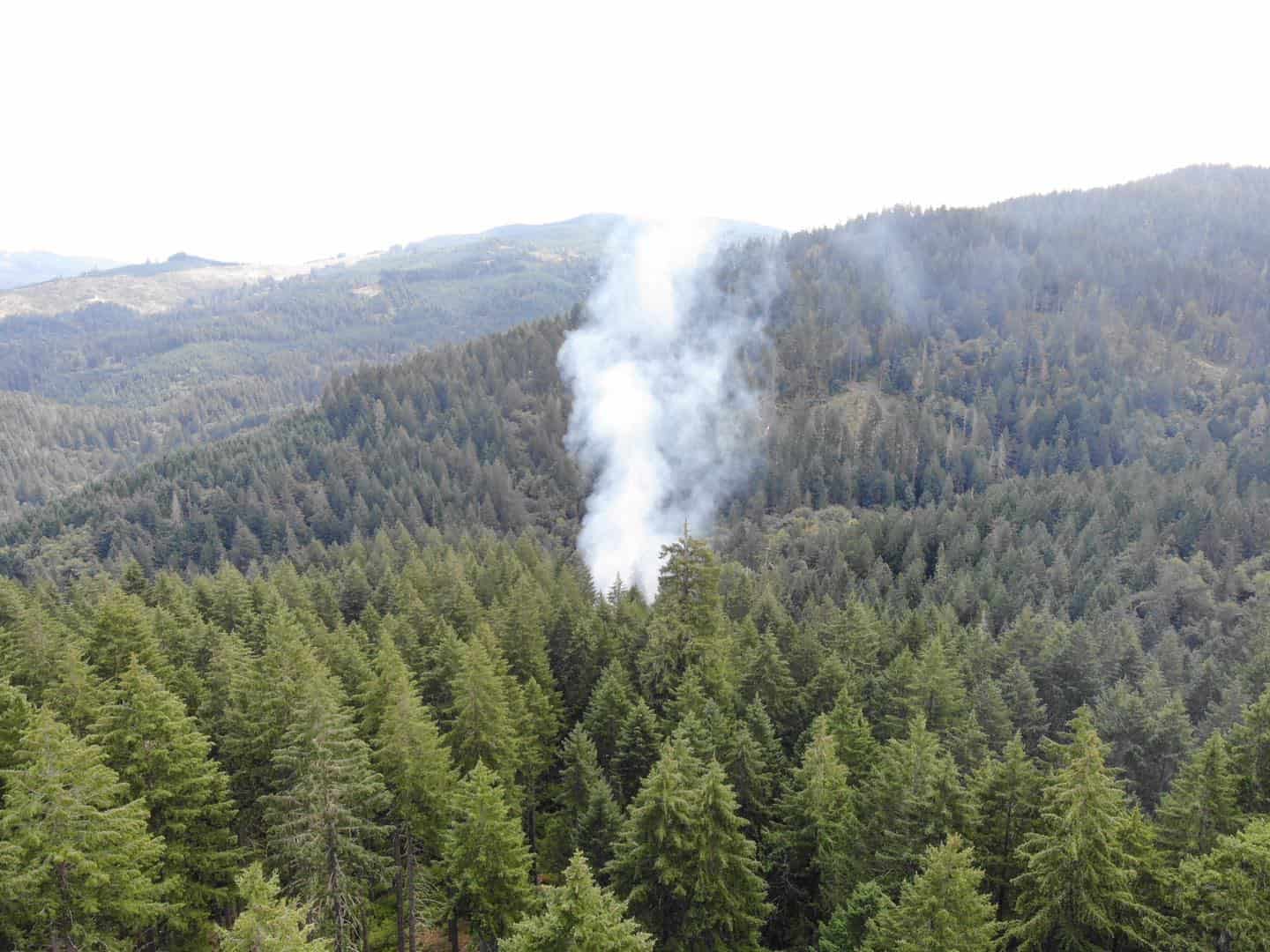









If you’ve stepped outside on recent mornings, you’ve likely felt that classic coastal marine layer keeping our temperatures mild and our hoodies within reach. It’s easy to assume that because we aren’t sweltering in 90-degree heat, wildfire risk isn’t something we need to worry about. However, beneath our cool canopy, parched underbrush and dense fuels are still dangerously dry.
When warm, dry inland air pushes toward the coast or when summer thunderstorm systems bring lightning strikes, conditions can shift in a matter of hours. Tillamook County’s lush forests, heavy brush, and rural roadways mean that being proactive isn’t just for hot valley weather; it’s essential for coastal living.
Human activity causes many seasonal fires, which is why county-wide burn bans are active through the summer and are still in effect throughout Tillamook County. Lightning storms present a unique and unpredictable threat. A single strike in a remote patch of forest can smolder quietly in dry timber and brush before whipping up into a fast-moving burn when the wind catches.
Being prepared doesn’t mean living in fear, it means having a simple, shared plan for your household so you can act quickly if spark turns to a flame.
Preparing your home and family doesn’t have to take an entire weekend. A few targeted actions make a huge difference:
1. Create Defensible Space Around Your Home
Clear dead leaves, dry moss, and pine needle buildup from gutters, roofs, and directly along your home or garage foundation.
Store firewood stacks, outdoor cushions, and propane tanks at least 30 feet away from livable structures.
Prune low-hanging tree branches to keep ground fires from climbing into the canopy.
2. Pack a “Go-Bag” for Everyone (Including Pets)
If an evacuation order comes, you won’t want to spend time searching for essentials. Keep a bag near the door with:
Important documents (IDs, insurance papers, medical records)
Easy to carry or pack mementos (family pictures, important books, or family journals)
3 days of non-perishable food, water, necessary care items and prescriptions
Flashlights, phone chargers, and a simple first-aid kit
Pet food, leashes, and carriers
3. Know Your Evacuation Levels & Sign Up for Alerts
During an emergency, always follow the direct evacuation orders and safety guidance issued by Tillamook County law enforcement and emergency management officials. Oregon uses a straightforward 1-2-3 Evacuation System:
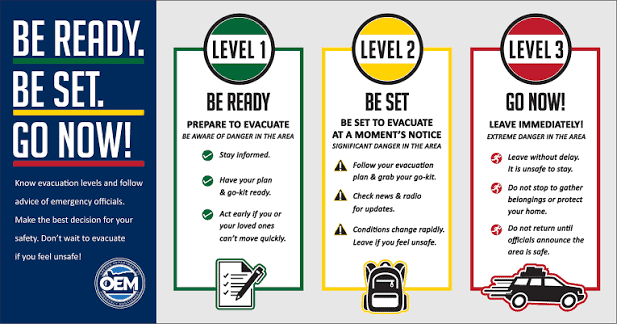 LEVEL 1: BE READY. Fire in your area. Monitor news, check your Go-Bag, and make sure your family and pets are accounted for.
LEVEL 2: BE SET. Significant danger. Be ready to leave at a moment’s notice. If you have livestock or need extra time, leave now.
LEVEL 3: GO NOW! Immediate danger. Evacuate right away. Do not delay.
Don’t rely on word-of-mouth or social media posts. Be ready to leave before or directly after getting notified of a Level 3 evacuation, don’t wait or start to pack at this time! It takes a lot of emergency personnel time to clear homes, time that could be spent on other emergency efforts.
Sign up for local emergency notifications through ORalert.gov to get instant updates sent directly to your phone based on your zip code.
Our cool, ocean-breeze summers are one of the best parts of living on the coast, but staying vigilant keeps our communities and wildlands protected. Take 15 minutes this week to double-check your Go-Bag, trim back garden brush, create a defensible space around your home, and confirm your emergency alerts are active.
For more emergency planning tools, tsunami maps, and county safety resources, visit tillamookcounty.gov/emergency-management/page/emergency-preparedness.
Note: This content was drafted with the assistance of AI tools and thoroughly reviewed, edited, and approved by a committee member prior to publication.
