



By Butch Freedman
I grew up in a big city, one that was noisy and always busy. The noise didn’t bother me when I was a kid, even though our house was on a main thoroughfare and trolley cars, delivery trucks, and cars passed by all day and night long. I couldn’t sleep until I heard the clatter of the number 34 trolley rumble outside my bedroom window. The din seemed natural, not something that even registered on my child brain. Maybe it bothered my parents, though I never heard them say so.
The only times I experienced quiet was on our summer trips to the Jersey Shore. In the 1950’s and ’60’s the Shore was not the overcrowded playground it mostly is now. On Long Beach Island there were miles of empty sand dunes and long stretches of beach grass with dirt paths leading to Barnegat Bay. At night we would walk up to the beach to look at the stars, and listen to the remarkable silence. A rare treat for city folks. Without giving it words or even conscious thought, I was discovering a new way to experience the world—to be quiet and listen, and let the crashing waves replace the sounds of busyness.
But, at heart I was still a city boy, even after leaving Philadelphia. When I went off to college in a small Ohio town, I felt lost and out of place. Strangely, I yearned for the noise and activity of the city. Where were the crowds of pedestrians and where were all my favorite places to hang out and play pinball? Marietta, Ohio had one smoky pool hall, which I frequented, but it was not enough. To use a tired cliché, I was a fish out of water. Now I had neither quiet (the dorms were full of noisy chatter) or the type of clamor that was familiar.
I was soon to return to the smoke and congestion of Philly, then later on to graduate school in Cambridge, MA., a smaller city, but still urban, and much more to my liking. A few more stops, and starts led me to the Great Northwest, Seattle to be exact, a wonderful mix back then of city and close-by nature—Puget Sound, Lake Washington, Mount Rainier. I felt like I had a found a forever home for my growing family. Seattle, at times, could even be sort of quiet, or at least, a calmer sort of vibe than the East Coast cities. In retrospect, I didn’t appreciate the city enough. Loved it, but missed out on the gratitude part, didn’t realize how fortunate I was to live in such a place. I was unappreciative with many aspects of my life back then.
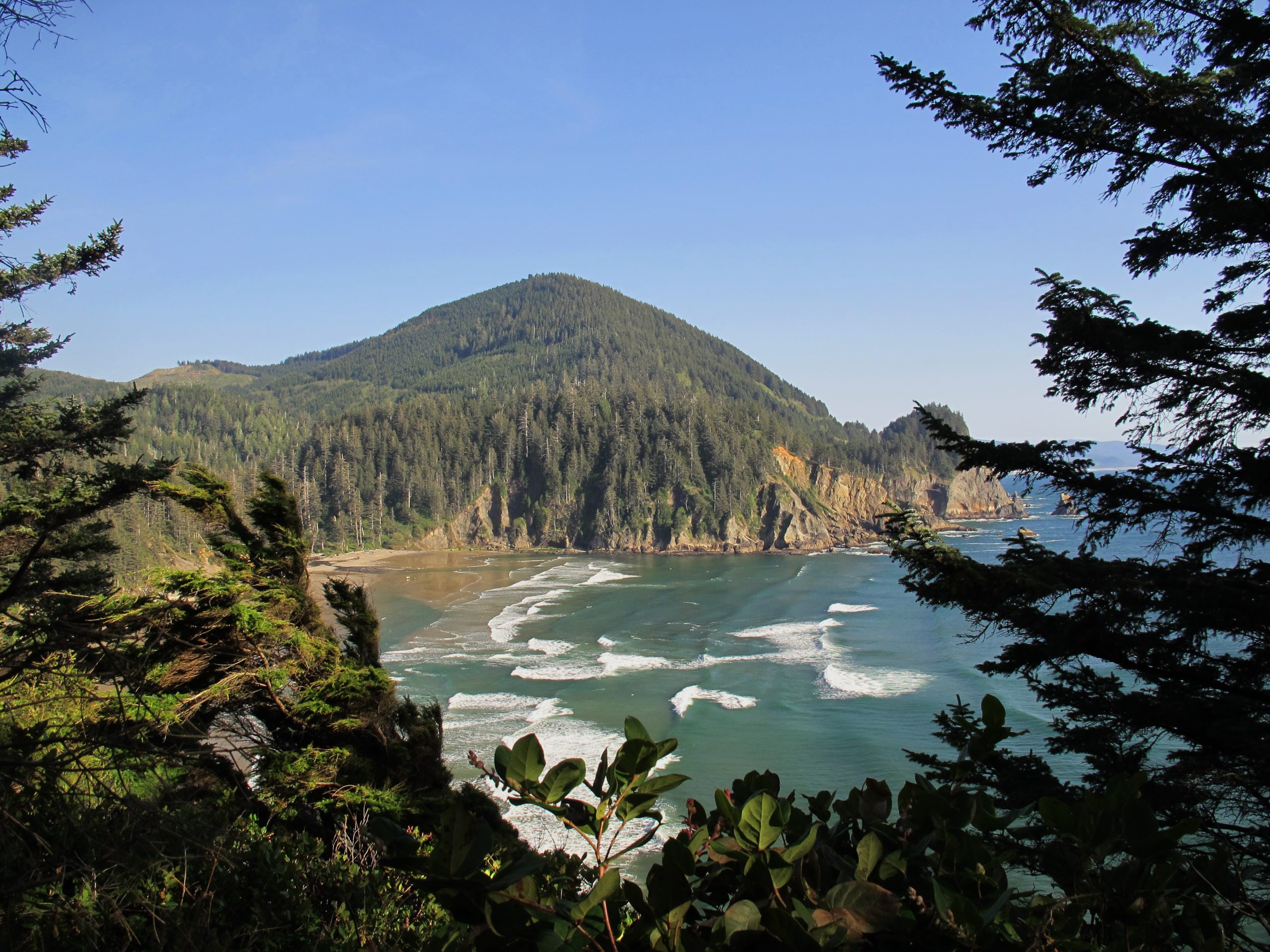
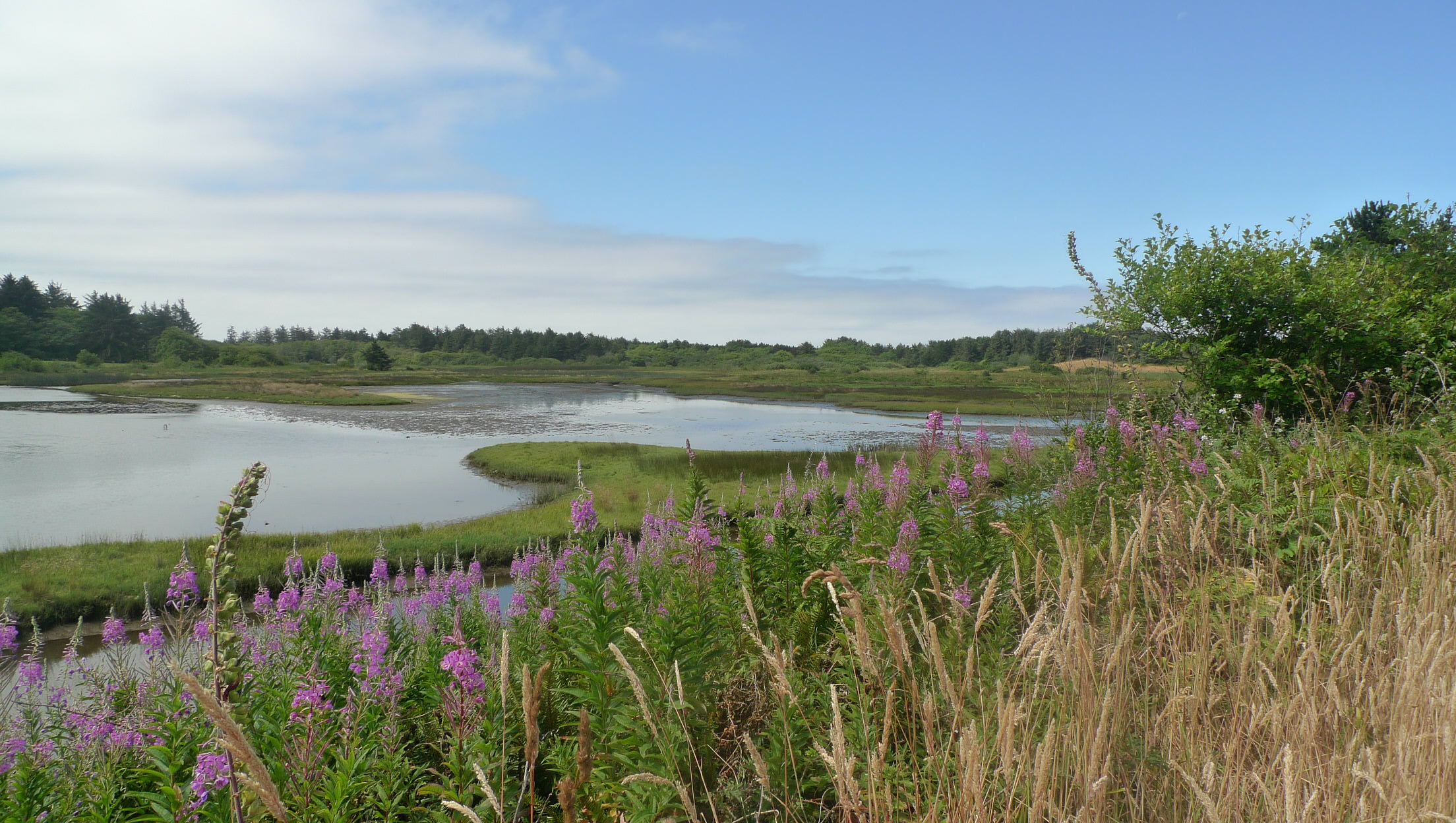
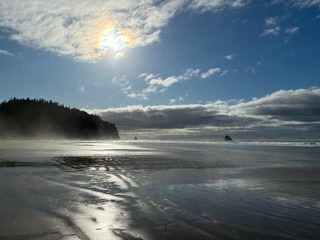
Now my wife and I live in a small village on the Oregon Coast, and have never been happier with our life here. We love it here for its natural beauty snuggled up against the ever-changing Pacific, and we have a greater sense of community than we did in our urban years. Mostly I love it here for the sense of peace and quietude I’ve found. Even in the busier summer months, there is little noise or disturbances. Sure, there’s the occasional construction project—can’t stop progress—unfortunately, and lots of doggies about, ocean folk do love their pets. But the dogs and their owners are mostly well-behaved. I often will sit out on our front deck and just let the quiet wash over me. Sure the blue jay in the fir tree across the road shouts a warning, but I enjoy its call. Few cars pass by, and those that do almost always are people I know, and we wave hello and smile. When I have any conscious thought at all, it is, how did I get so lucky?
Late last night I stepped outside. It was a full moon and, though there were clouds in the lightened sky, I could still see lots of stars. I was transfixed by the beauty and the solitude. I thought about waking Beverly up to come see, but decided not to wake her. So there I stood—in awe, a solitary human being in a vast and beautiful world. When I went back inside and to bed, I reminded myself to be grateful for this gift of quietude.
