



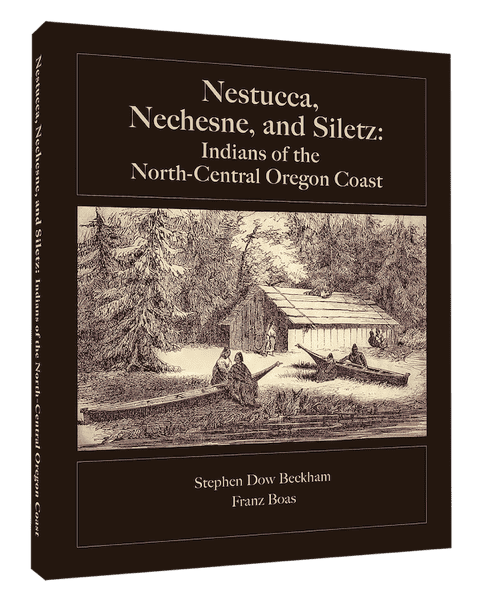
Released in September, the Neskwoin Historical Foundation published their second book as an organization: “Nestucca, Nechnesne, And Siletz: Indians of The North-Central Oregon Coast.”
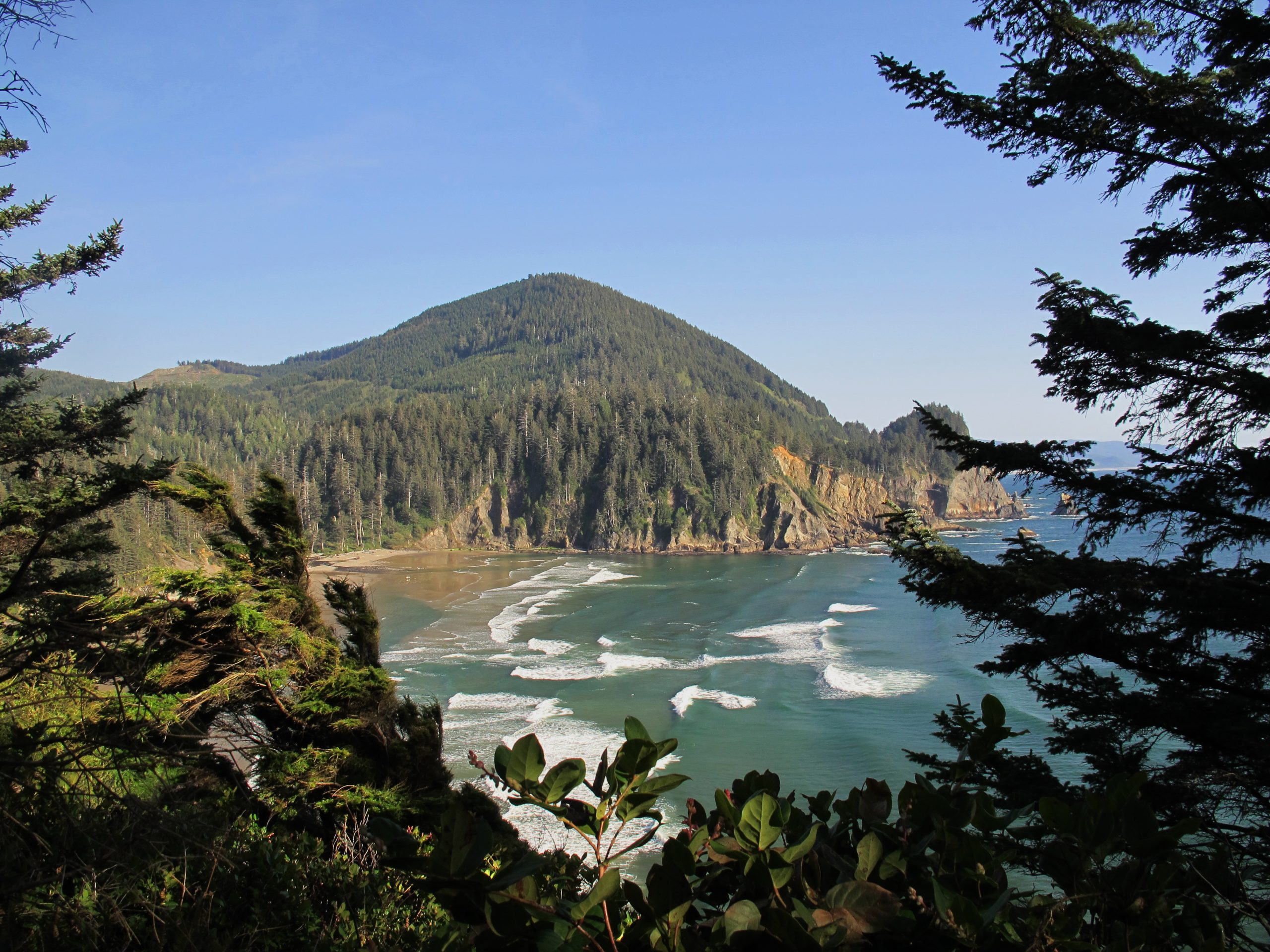
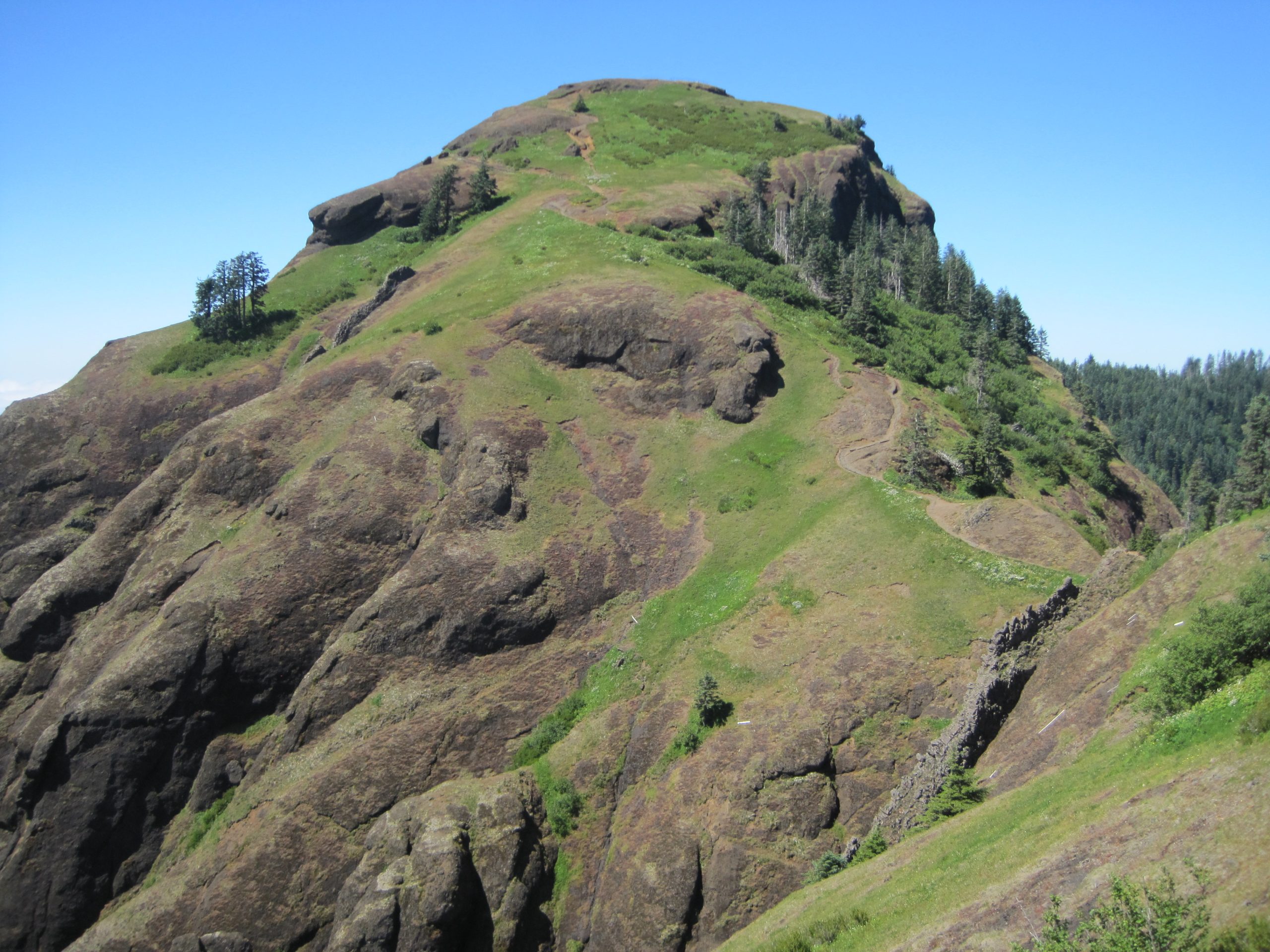
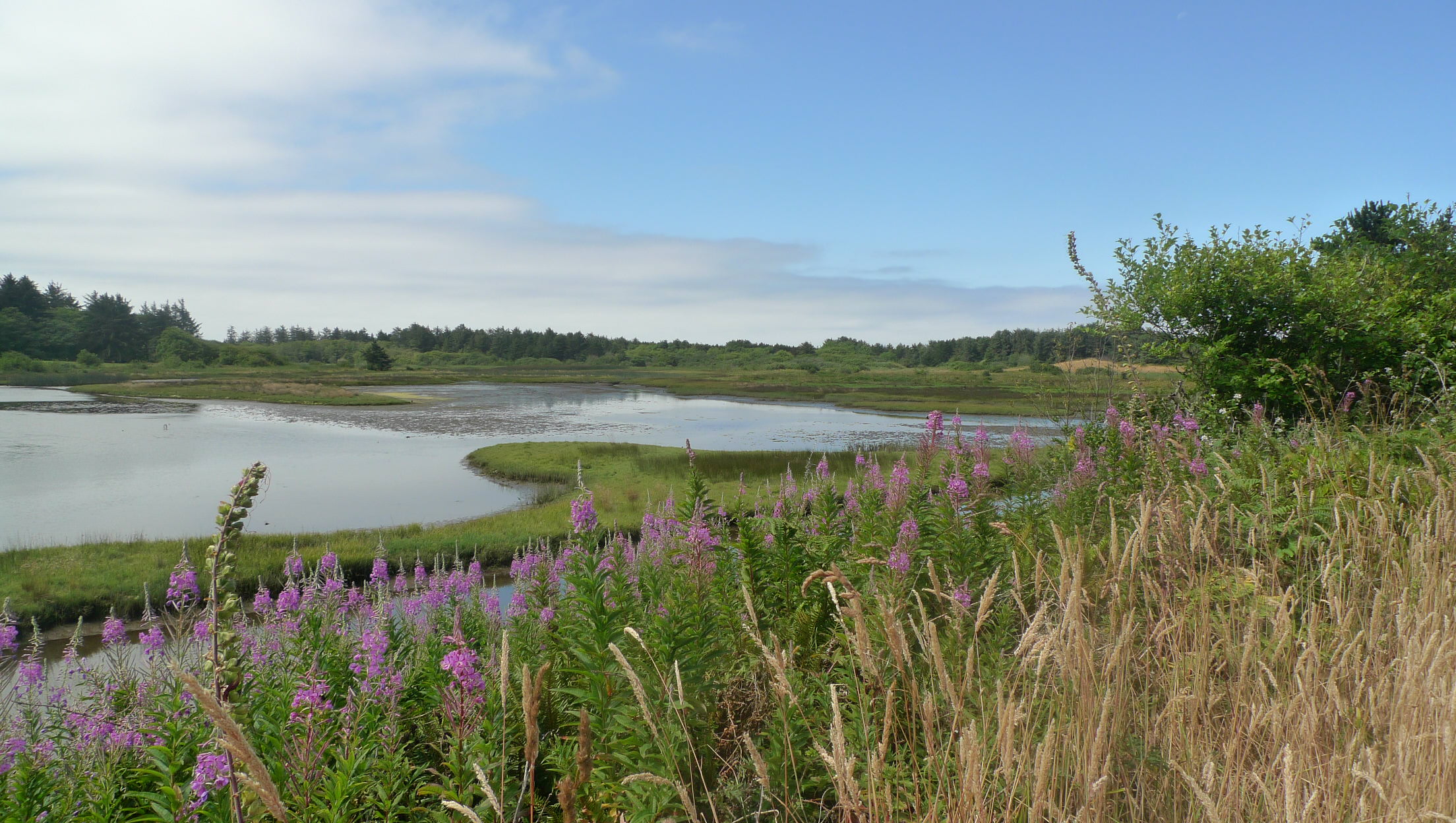
The book features numerous engravings, historical photographs, maps of language distribution and place names, and color images of the homeland of the Nestucca, Nechnesne and Sieltz tribes; the southernmost speaking Salish peoples.
The Tillamook County Pioneer Museum will host a book presentation featuring speaker Jim Affolter, president of the Neskowin Historical Foundation, on November 14 at 5 pm. The presentation is free and open to the public, but an RSVP at tcpm.org is recommended due to limited seating.
The book is authored by late American historian, Lewis & Clark College professor, and Nesokwin resident Dr. Stephen Dow Beckham with strong references to the work of the late Dr. Franz Boas, also known as the “Father of American Anthropology.”
“The new book brings to contemporary readers the cultural and literary information of the Nestucca, Nechense (Salmon River), and Siletz tribes as recorded by Dr. Boas and supplemented by his 1890 travel diary,” Beckham said. “The volume includes the historical context of what happened to these [peoples], the southernmost speakers of a Salishan language widely found on Puget Sound. It also includes a section of their place names in Tillamook and Lincoln counties recorded between 1855 and 1880 by George Davidson of the U.S. Coast Survey.”
Book copies are available for purchase online at neskowinhistoricalfoundation.org or at the Tillamook County Pioneer Museum gift shop for $50.
November in the United States is Native American Heritage Month. The month is designated as a time to honor the rich ancestry, cultures, traditions, and contributions of Indigenous peoples.
TCPM feels a profound responsibility to honor the stories and histories of Indigenous Tribes and their cultural heritage.
Following this interview, sadly Dr. Stephen Dow Beckham passed away on October 10, 2026. He will be remembered for his vast repertoire of historical knowledge and contributions to the historical communities at large.
