| There is no way to put it lightly. There are incredibly difficult decisions to be made in the coming week.
HB 4075 is one example of the challenge at hand. The Bay Area Hospital, a rural hospital in Coos Bay, has operated at a loss in recent years because it fell out of compliance with a previous loan. The hospital is struggling to stay afloat without dipping into its cash reserves or downgrading to a Type B hospital, which would lead to a severe cut to staff, beds, and services. HB 4075, if passed, would direct the State Treasurer to provide a stabilization loan to prevent these inevitable, devastating consequences and maintain essential services to the area of Coos Bay.
But this directive does not come without consequences. HB 4075 is a creative precedent, using interest from the Unclaimed Property and Estates Fund as a band-aid for local funding challenges. That money normally supports the Common School Fund. Oregon schools cannot afford such a hit, as essential programming and services are already in jeopardy due to proposed budget cuts.
I note that while the median family income in Coos County is similar to Lincoln County and actually higher than Tillamook County, Central Coast residents pay taxes to support our local hospital districts, while Coos County does not. I have a problem with this bill. All our rural hospitals are facing financial challenges. But Oregonians deserve better than choosing between healthcare and education.
Meanwhile, Oregon lawmakers fretting over the Trail Blazers’ future in Portland have slapped a price tag on their effort to ensure the team stays put: $365 million. That’s the pile of cash the Legislature is signaling it could borrow in the coming years to pay for major renovations to the Moda Center, the 30-year-old Portland arena that some have deemed unfit for a modern NBA team.
Losing the Trail Blazers would be a major blow to Oregon’s prestige and Portland’s comeback. But I worry we have a lot of other pressing needs in Oregon. SB 1501, a bill laying out the structure of a possible funding deal, cleared the Senate Rules Committee in a 4-1 vote and is now in Ways and Means.
How to manage campaign finance reform is still festering. Two years ago, we approved major changes in how much candidates can accept in campaign contributions. But the Elections Division says they need more time and money to get the computer software right. A new proposal in HB 4018 would limit political contributions before the next general election as planned, but give the Secretary of State more time to launch a required system to track spending. That has good government advocates accusing state leaders of trying to skirt the intent of the original legislation.
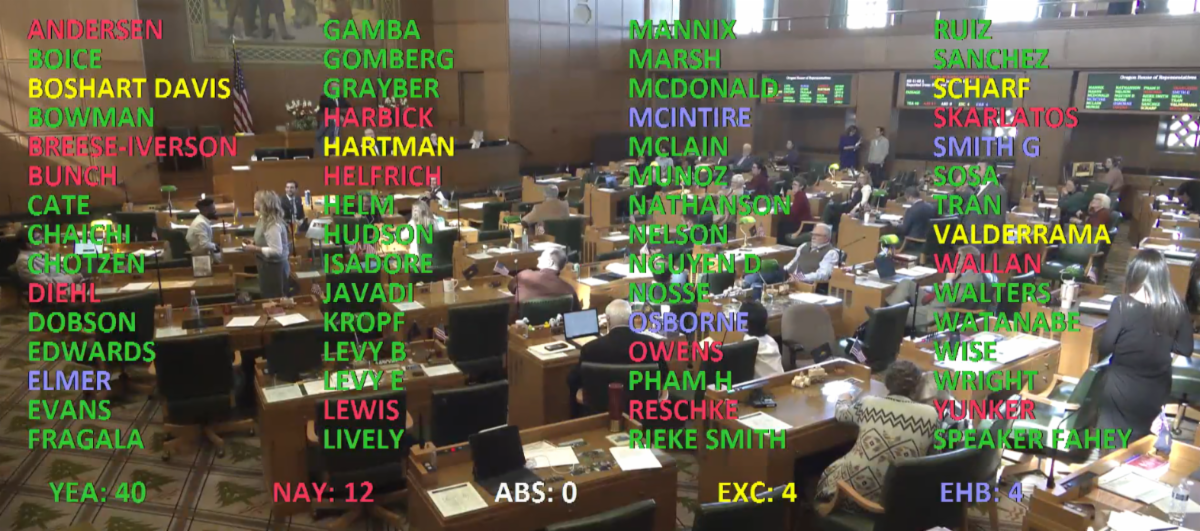
And finally, later today, Monday, I’ll carry SB 1599 to the House floor, which would change the date of the gas tax referral to May instead of November. The measure is fraught with political and election consequences, which should have little to do with proper policymaking. Opponents, who have delayed the measure with walkouts, procedural motions, and strategic demands, argue that 250,000 Oregonians signed petitions calling for a November vote. They add that those delays have successfully made a May election unworkable.
Supporters of the bill point out that nearly 20% of ODOT’s workforce has resigned in the past six months, and more are leaving every day. The agency needs certainty to provide critical maintenance and road repair services. Local governments that rely on State Highway Fund gas tax revenue need an earlier decision to make their own budget decisions this summer. And Oregonians, of course, need the vote they demanded. The question is whether they demanded it sooner or later. |