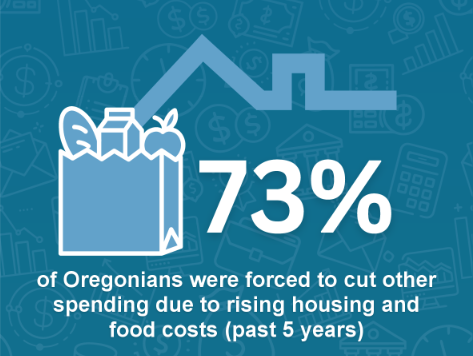
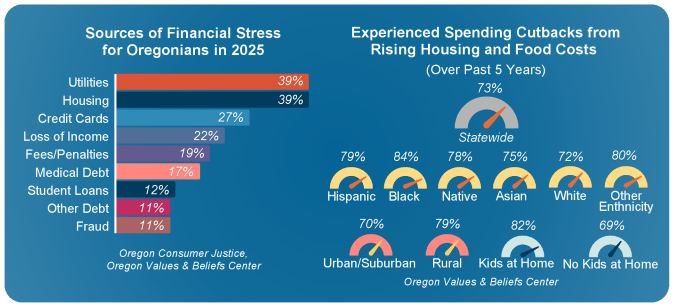
| Carl Riccadonna, Oregon’s chief state economist, reports the “vast majority” of price increases over the past year have been due to inflation for services such as health care, insurance, housing, car repairs and utilities—not higher tariffs. But even so, he estimates tariffs cost the average family between $500 to $1,500 more in 2025.
In 2025, tariffs cost the average American household $1,000 more, according to the Tax Foundation, a nonpartisan think tank in Washington, D.C. That’s on top of inflation that has made “affordability crisis” an everyday term. Some in Washington say the economic hit could grow even worse, to as high as $2,500 in 2026, as businesses that largely absorbed tariffs in the first year begin to pass more of their increased costs to customers.
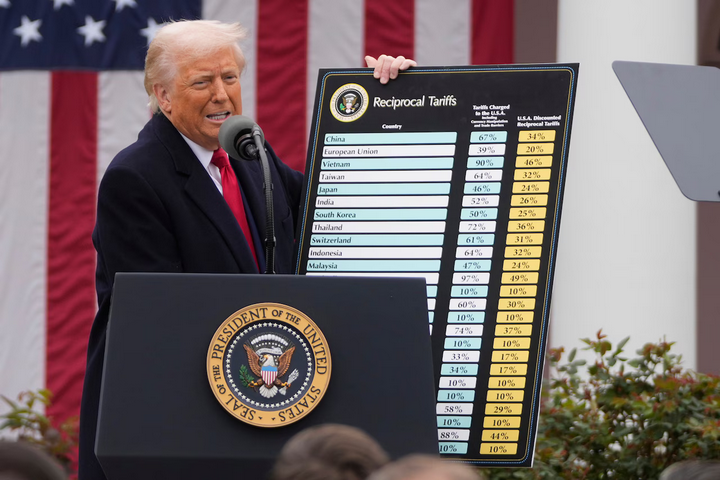
President Trump disputes that, saying that his new and higher tariffs will reinvigorate U.S. manufacturing and return the country to the “industrial powerhouse” it once was. The president also has said repeatedly—and erroneously, critics argue—that Americans aren’t paying tariffs, exporters are.
While foreign exporters do pay a small fraction of tariffs, the evidence is that the president’s broad-based tariffs essentially function as a tax on U.S. importers, and corporations have shifted most of the responsibility of paying tariffs onto American consumers through higher prices.
In industries across the nation—such as agriculture, transportation, and common household products, among other sectors of the economy—corporations are being unusually straightforward. In recent corporate disclosures, industry executives have publicly told investors they are protecting profits by passing the costs of tariffs on to consumers.
Economists at Goldman Sachs and elsewhere say prices originally pushed up by tariffs are likely to remain high, with companies either realizing that consumers are now willing to pay extra or guarding themselves against future volatility. The concept is referred to as “price stickiness”.
Oregon Attorney Dan Rayfield has twice joined other states in suing the Trump administration over tariffs—once in the case that led to the Supreme Court throwing out Trump’s Liberation Day duties and the other directed at the 10% tariffs the president has since instituted calling them an unprecedented misuse of emergency powers. “The focus right now should be on paying people back, not doubling down on illegal tariffs,” Rayfield said. |