

By Leanna Coy, FNP
Many people feeling stress, anxiety, fear, and anger right now. Seeing images of people being taken, jailed, beaten, and killed in our streets can feel overwhelming. The news may seem hard to watch, and these feelings may hit you in waves at different times. Watching upsetting videos on repeat may have you wondering, “What the hell is happening to my country?” and leave you feeling stuck and helpless. In times of crisis, big and small, it can take more effort to manage your emotions. However, it is important to take care of yourself physically and mentally during these stressful times.
Stress and Vicarious Trauma
Stress is your body’s way of reacting to physical, mental, or emotional challenges. This response is normal and helps keep you safe. When you feel stressed, the body releases the hormones adrenaline and cortisol as part of the ‘fight-or-flight’ response. For short periods, these hormones are helpful. For example, if an animal suddenly runs into the road while you are driving these hormones help trigger improved focus and a quicker reaction.
Over-exposure to stress can lead to health problems. This may start with trouble sleeping, an stomach upset, or losing your appetite. Stress can also make you feel fatigued, dizzy, or give you headaches. When stress lasts for long periods of time, it can increase the risk for heart disease, diabetes, dementia, and obesity.
Too much stress can also lead to mental health problems or can make someone’s current mental health issues worse. The most common issues are anxiety and depression. These symptoms can linger and start to affect your daily life, close relationships, and work.
Vicarious trauma results from too much exposure to pain and suffering. Stress levels build up with repeated second-hand exposure to traumatic events or stories, such as the news or social media. This type of stress wears on your empathy and begins to affect how you see the world.
The vicarious trauma can also begin affecting your relationships and daily life. You may become overly focused on finding distress around you. You can begin to feel out of control as you try to find and fix others’ pain and suffering.
Self-Care Toolbox
You may already be experiencing symptoms of vicarious trauma. Signs include:
- Missing deadlines
- Showing up late to work
- Feeling detached from others
- Trouble sleeping
- Hyper-vigilance
- Difficulty making decisions
- Reduced feelings of sympathy or empathy
- Increased alcohol or drug use
Create a set of self-care tools to support your mental health.
Practice doing things that are good for your health. Remind yourself to take care of your well-being.
- Eat regular, nutritious meals
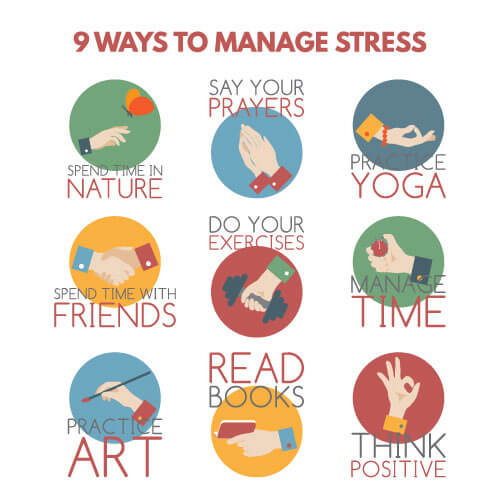
- Exercise regularly, such as walking, yoga, swimming, or running
- Practice good sleep hygiene and aim for 7-9 hours of sleep every night
- Spend time in nature
Take breaks from the news and social media. The algorithms make it easy to get caught up in endless doom scrolling. Instead, set a specific time to check the news and social media. Try limiting the time for this check-in to avoid getting stuck.
While you are online, try avoiding places or sources that might upset you, like the comment sections on Facebook or Instagram.
Know yourself. Think about what brings you joy, happiness, and peace, and make time for those things. Maybe your joy comes from playing with your children or spending time with a pet. If having coffee with friends makes you happy, plan a get-together. Keep up with hobbies you enjoy, such as dancing, crafts, or drawing. Walk on the beach if it helps you feel calm.
Make time to intentionally relax. Set aside time to relax on purpose. Relaxation helps lower the stress you’re carrying. It can help improve your concentration and focus while also reducing anger, frustration, and fatigue. Here are some simple ways to relax:
- Journaling
- Meditation
- Deep breathing for several minutes
- Progressive muscle relaxation (See details below …)
Volunteer. Consider volunteering. Helping others and doing acts of kindness can reduce feelings of helplessness and give you a sense of purpose. It can keep your mind stimulated while shifting your focus off other problems. Volunteering helps boost your mental health by reducing stress and anxiety.
Try to limit alcohol or other drugs. Reaching for a beer or marijuana may seem helpful in the short term, but neither are the best way to manage stress. These substances don’t help you address the stressors and can lead to dependence.
 Getting Help
When you are feeling overwhelmed with stress and the world feels too heavy for you to manage on your own, reach out for help. Admitting you need support is a sign of strength. Talk with your health care provider or a mental health provider. You’re not committing to long-term treatment. Sometimes just a few visits to talk about your stress can make a big difference.
There are local counselors available, call the 24-hours crisis line at 503-842-8201.
| Progressive Muscle Relaxation Steps | |
| 1. | Sit in a comfortable position. |
| 2. | Starting with your feet, breathe in and tighten your muscles for 5 to 10 seconds. |
| 3. | Breathe out and release the muscles. Relax for at least 10 seconds. |
| 4. | Repeat the process with other muscle groups moving from toe to head. |