By Representative David Gomberg, House District 10
5/26/26
Dear Friends and Neighbors,
I trust everyone had a safe and enjoyable holiday weekend and a reflective Memorial Day. I spent a wet Monday in Depoe Bay at the Fleet of Flowers, honoring the men and women of the armed forces who were lost in service to our nation as well as those in our local fishing fleets lost at sea.
Today’s weekly newsletter comes on a Tuesday as Monday was of course a holiday. I’ll begin this long report with an excerpt from an editorial in the Bend Bulletin.
Oregon voters handily rejected the gas tax referendum, Measure 120.
It was a safe bet that would happen. Rising gas prices, rising other costs, and the inherent opposition to any tax or fee increases made it much less likely to pass.
Because the referendum failed, state fuel taxes stay at 40 cents per gallon, registration and title fees do not go up, and there is no increase in the state payroll tax to help pay for public transit.
A new electric vehicle surcharge sticks around. A mandatory road user fee where electric vehicles will have to pay by the mile traveled will still go into effect. And the Oregon Department of Transportation is still required to fulfill new accountability requirements.
What also sticks around is the need for Oregon to figure out a way to pay for future transportation needs. The gas tax as is will not work long-term as cars become more fuel efficient or don’t use any gas at all. The state needs a better solution.
We think a road user charge for all vehicles, where you pay by the mile, must be part of the solution. It wouldn’t have to mean the state would track where you drive. It could be as simple as a monthly photo of the odometer. There could also be an option of paying a flat fee.
Legislators should also consider allowing ODOT more flexibility in how it spends money. Most of its funding is constrained in various pots, such as capital construction. That limits what can be spent on operations and maintenance and it also limits the organization’s ability to prioritize its most-needed projects.
One option on the table is also to make it easier for cities to implement their own gas taxes. The law currently requires approval by voters in a city. That requirement could be removed. We don’t think that is a good idea.
The most alarming fact may be this: More people die on Oregon’s roads per miles traveled than in most other parts of the country. That’s in part due to the number of curvy, rural roads in Oregon. But if the state is forced to cut back on road maintenance and safety improvements, Oregon’s roads may continue to be some of the nation’s most dangerous.
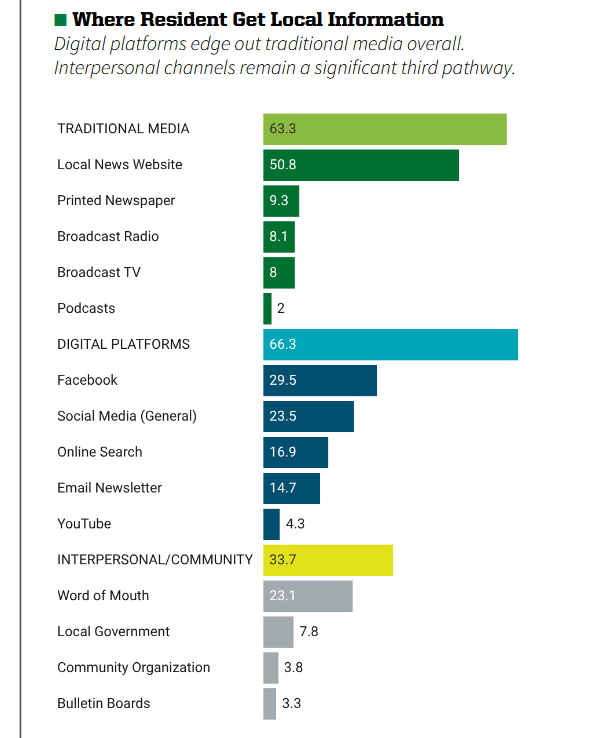
How do you get local news and information? How are those sources changing? And do you trust the information you find? Those were the questions posed in a recent academic report titled Lincoln County Information Assessment Report: Understanding Local News and Information Needs in Lincoln County, Oregon, prepared in collaboration with the Agora Journalism Center by students in the School of Journalism and Communication, University of Oregon.
According to this analysis, over the past two decades, Lincoln County’s local media ecosystem has experienced substantial transformation, consolidation, contraction, and experimentation.
Traditionally, community newspapers functioned as the primary means of connection within the county. Publications such as the Newport News-Times and the Lincoln City News Guard consistently covered local government, schools, and community events. However, shifts in ownership and industry pressures have led to consolidation, reducing newsroom capacity and generally, narrowing coverage. In January 2024, Country Media merged the two county papers into the Lincoln County Leader. Survey respondents described it as “a shell of its former self,” noted the elimination of local reporting positions, and characterized its content as increasingly wire-fed rather than locally produced.
As traditional media declined, new forms of local media emerged. The Lincoln Chronicle appeared first as the Yachats News in 2019 and now serves the entire county. Its nonprofit status, free public access, and ongoing focus on community-centered reporting have established it as a central component of Lincoln County’s information ecosystem.
| Additional locally based publishers have emerged or adapted to address changing information needs. Outlets such as Oregon Coast Today serve a distinct function by providing event-focused information that helps residents navigate daily life, including local events and community activities. Oregon Coast Breaking News primarily uses social media to deliver rapid updates on incidents, weather, and community activities, often filling immediacy gaps left by traditional outlets. In contrast, The Boiler Bay Beacon adopts a more specialized, editorial approach, providing commentary and locally focused reporting that reflect its audience’s perspectives and concerns. Collectively, these initiatives exemplify a broader trend of experimentation and adaptation as local information providers respond to the decline of traditional models and evolving resident expectations.
Commercial radio has experienced significant declines. In 2023, five long-standing commercial radio stations operated by Yaquina Bay Communications ceased operations due to revenue losses. Other stations have shifted from local broadcast to programmed content. For decades, these stations provided routine local news and emergency information. Their closure signifies not only a reduction in coverage but also a structural weakening of the county’s real-time communication infrastructure. The resulting gaps help explain the increased reliance on public radio and smaller community stations during critical moments. |
|
| Public radio continues to serve as one of the most reliable and trusted information sources in the region. Stations affiliated with Oregon Public Broadcasting deliver essential coverage through signals that reach all areas of Lincoln County. These stations act as vital connectors, integrating local developments with regional and statewide reporting.
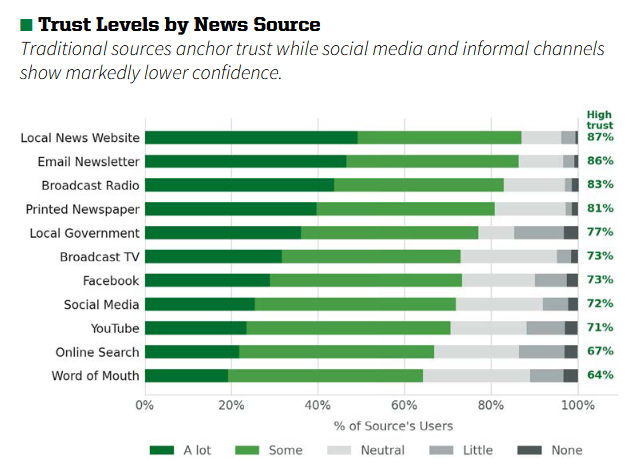
Social media platforms, especially community Facebook groups, are widely used for information distribution. However, residents often characterize them as unreliable for verification. Social media further complicates the dynamics of trust. Although Facebook is widely used, residents characterized it primarily as a platform for social connection rather than a source of credible news.
Interestingly, email newsletters were described as a key channel with one of the highest levels of trust. They function both as independent sources and as extensions of local media. “Representative Gomberg’s newsletter exemplifies accountable communication at the regional level. Explicitly naming outcomes, acknowledging differing perspectives, and creating a verifiable public record of decisions and commitments demonstrate the transparency that residents consistently identify as essential.” |
|
| The most pressing gap identified was not general access to information, but rather the failure of communication systems during crises. A consistent recommendation was establishing a dedicated AM/FM frequency for emergency broadcasts.
Survey responses consistently reflected interest in local governance, public decision-making, and civic issues. Respondents expressed a need for clearer, more accessible information about policies, meetings, and local decisions that affect their daily lives.
This evolving media landscape demonstrates both adaptation and fragmentation. No single outlet has assumed the comprehensive role formerly held by legacy newspapers. Instead, residents rely on a combination of nonprofit journalism, regional media, informal networks, and digital platforms. Spanish-speaking residents and younger audiences identify barriers related to language, format, and access points.
You can read the full 50 page report here. |
|
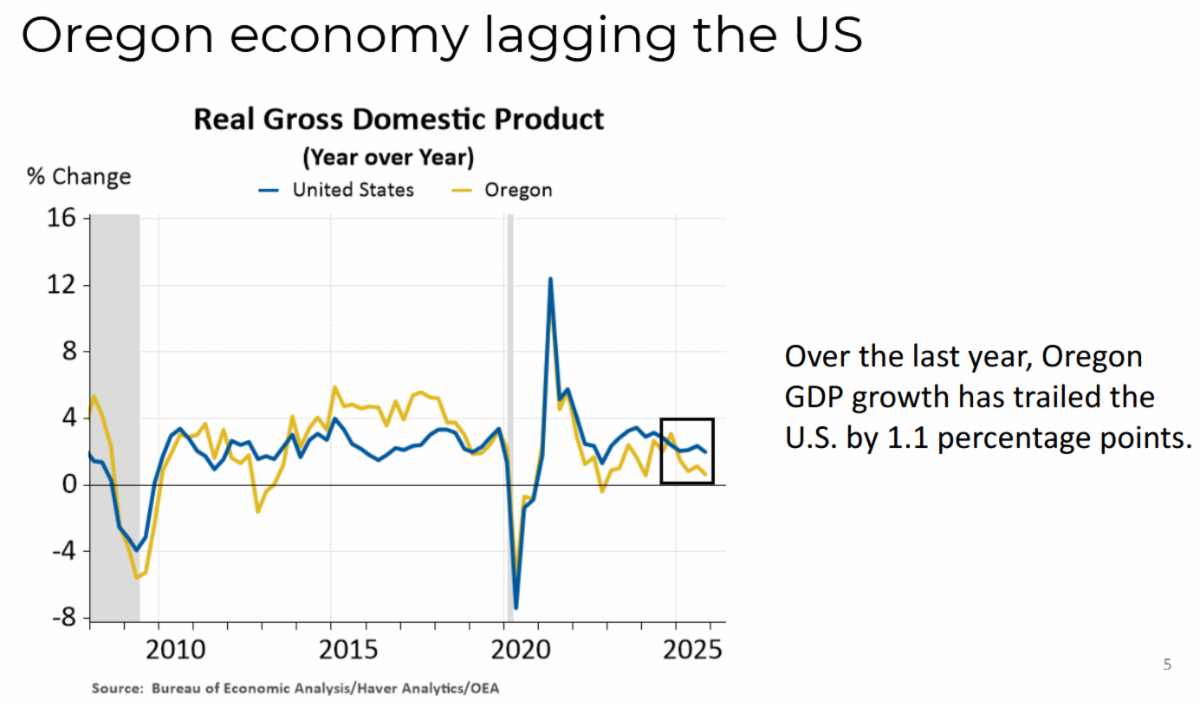
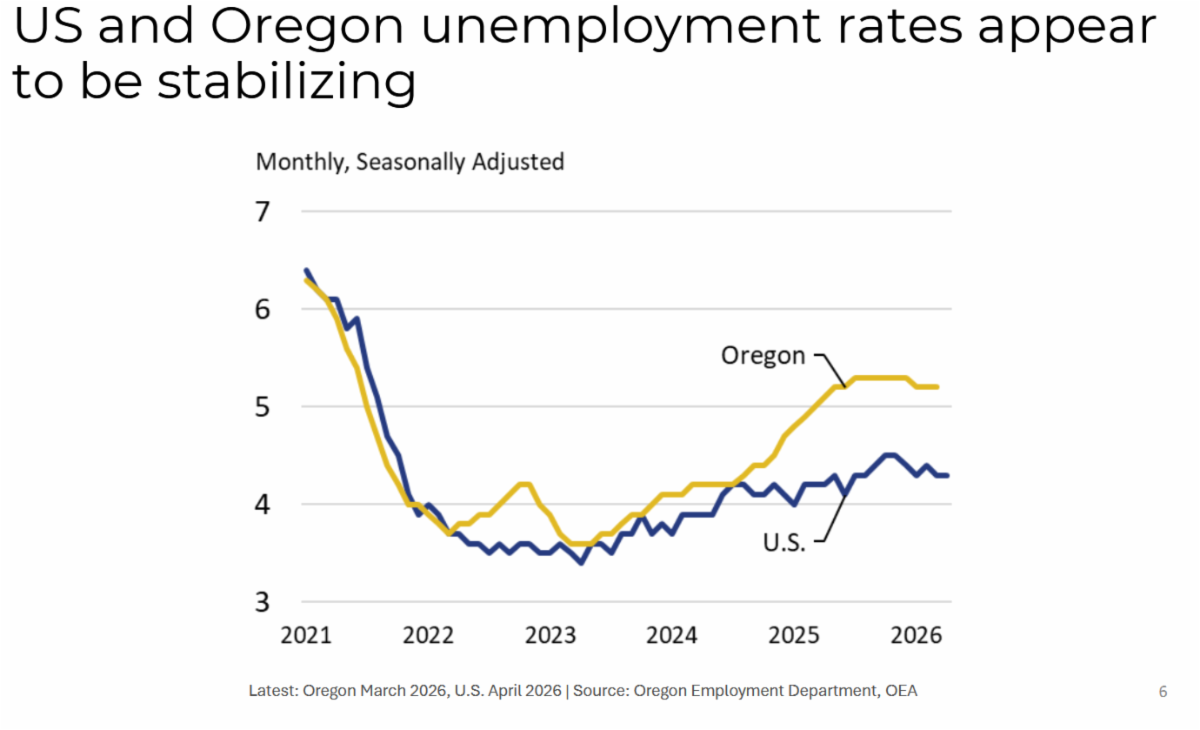
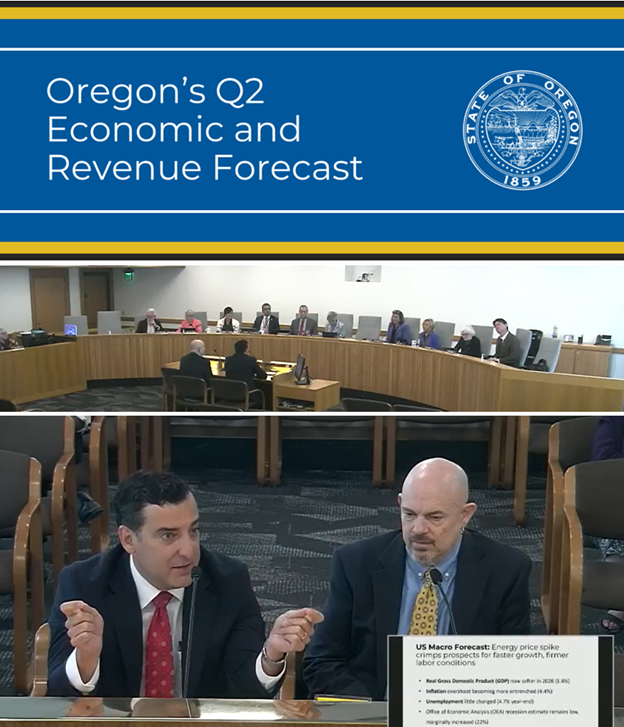
| Despite Oregon’s continuing sluggish labor market and big hits to the state economy from spiking energy prices, tax revenues to fund state programs and services appear steady, state economists said Wednesday in their quarterly report to the legislature.
The latest state revenue forecast reflects the combined effects of economic uncertainty, wartime market pressures, tax-law adjustments adopted during the 2026 Legislature, and several timing-related revenue shifts. |
|
| Surging corporate profits and capital gains benefiting wealthy Oregonians mean tax receipts from those “wealth effects” will almost completely make up for the loss of taxes on salary and wages earned by ordinary Oregonians, state economists Carl Riccadonna and Michael Kennedy told lawmakers.
Wage growth has been low, inflation is high, hiring is moribund and interest rates to buy cars or homes are off-putting, they noted. Prices have not only shot up for gas, diesel, and fertilizer, but costs have also risen for fruits and vegetables, air fares, and other core purchases tied to energy costs.
Riccadonna noted that oil prices have climbed from $50 per barrel during the last forecast to about $105 per barrel, and the average national gas prices have risen from $2.85 to $4.55 per gallon. According to USA Today, nearly two-thirds of Americans think the war was the wrong decision, and more than half of the country sees the resulting elevated gas prices as a financial hardship, according to polls.
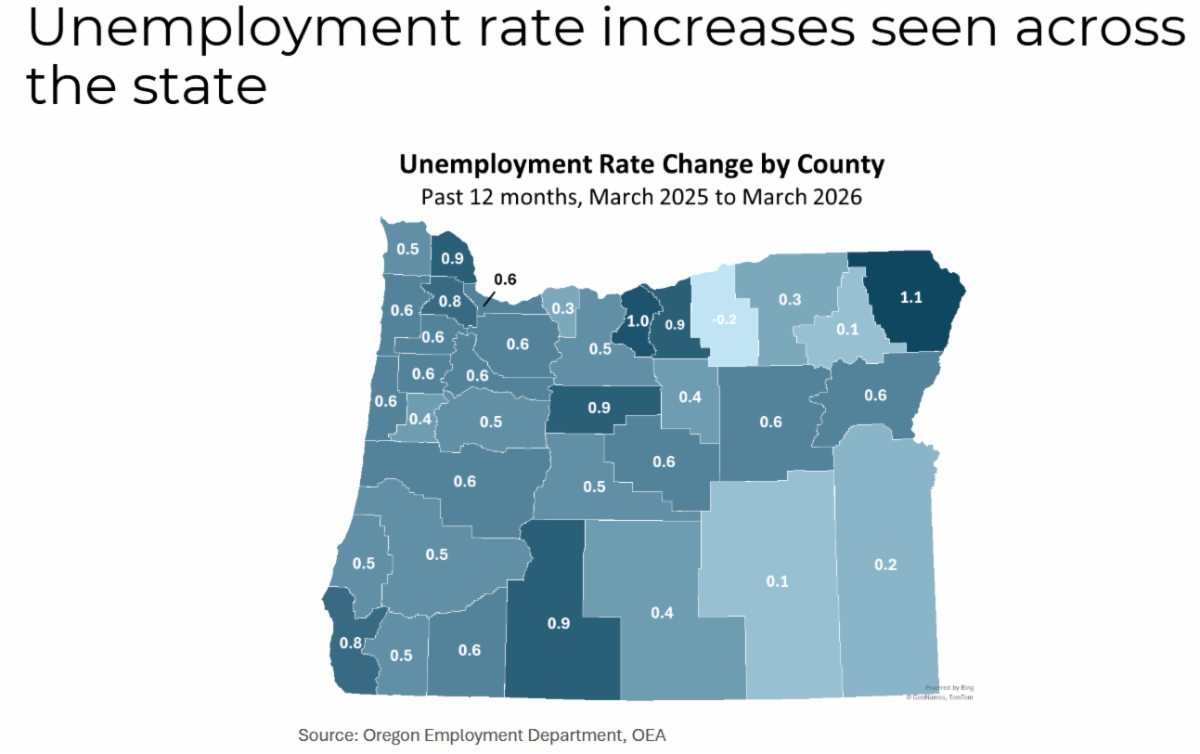
Oregon’s unemployment rate has hovered above 5% for the past year, putting it far higher than at any point since 2021 as well as higher than the national rate. Capital gains and similar wealth-based income are overwhelmingly earned by Oregonians in the top 20% of the income spectrum, who pay the state’s top income tax rate of 9.9%. |
|
| State lawmakers rebalanced the 2025-27 budget during the short session this spring, primarily by ending three Trump administration tax breaks to raise more than $300 million and preserve funding for schools, healthcare, and other core state services. The SB 1507 also expands the state’s Earned Income Tax Credit—a tax reduction for lower income workers—and creates a new tax credit for businesses that create jobs in specific sectors of the state.
Some Oregonians are attempting to send the bill to the ballot, as they did with the state gas tax last week. Oregon voters overwhelmingly rejected those increases during the May 19 primary election.
Oregon’s two-year state budget operates on roughly $40 billion in general fund and lottery revenues.
Outside the General Fund, the forecast was somewhat more positive. Lottery revenues increased. Corporate Activity Tax collections continue to modestly outperform projections. Marijuana tax revenues, however, declined slightly as sales continue to underperform expectations.
The bottom line is relatively straightforward: Oregon’s financial position remains stable, but the margin for error continues to narrow. This is not a moment for panic, but it is a time for caution, discipline, and thoughtful long-term planning.
You can read the full report here or watch the presentation here. |
|
| Here is some really fun news.
Susan and I stopped by Hatfield Friday to see their newest addition and a really “wow” experience.
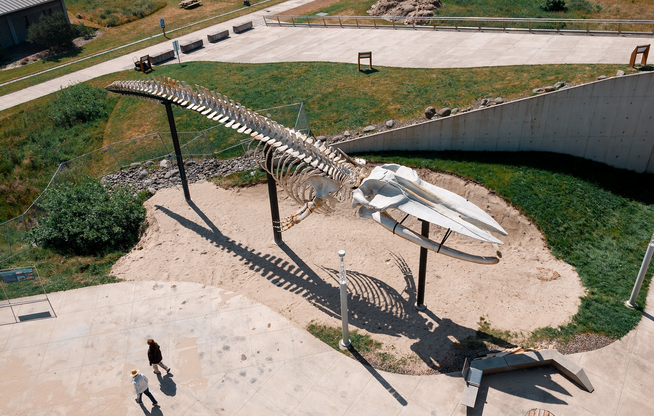
The blue whale that washed ashore 11 years ago on the southern Oregon coast is now swimming again in the east courtyard of the Hatfield Marine Science Center—this time for anyone to see the 180 bones that make up its 70-foot-long skeleton.
Blue whales are, after all, the largest animals ever to populate the planet. They dwarf the biggest dinosaurs ever unearthed and continue to fascinate the citizens and the scientists drawn to study them. They can live for 90 years, with most of that time spent swimming solo in every ocean except the Arctic. Their tongues alone can weigh as much as an elephant, and their hearts are as heavy as a full-sized automobile. |
|
| It has been quite a journey.
This particular whale washed up on a southern Oregon beach in 2015. Scientists couldn’t determine exactly how long the 200-ton, nearly 70-foot-long male had been dead. The subsequent necropsy—the animal equivalent of a human autopsy—revealed high levels of the biotoxin domoic acid, which may not have been fatal, but still could have diminished the whale’s ability to feed and travel.
Several options were considered for what to do next. Oregon’s history includes the infamous story of a whale being blown up in Florence back in 1970. In this new case, it was decided to preserve and display this remarkable mammal.
The whale’s bones were first removed from the beach, placed on flat-bed trailers, and driven to Newport for initial cleaning.
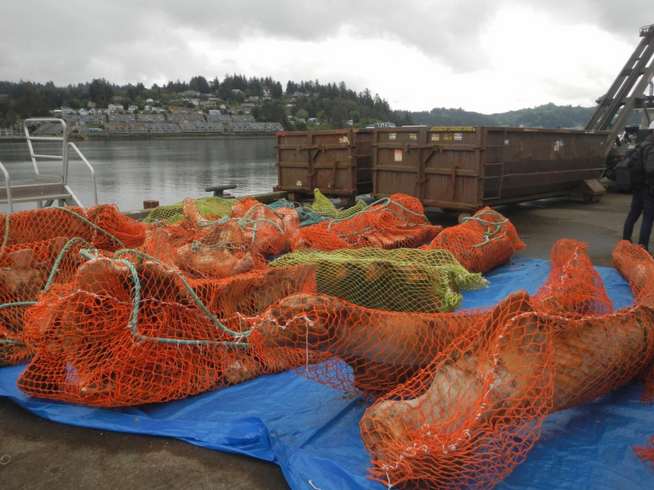
The bones were placed in large bags crafted from fishing nets, lowered into the waters of Yaquina Bay outside the Hatfield Center in April 2016.
They remained there, tethered to the bottom by steel cables, for more than three years. That gave the briny water, along with crabs and other marine creatures, time to strip the bones of most of any remaining flesh. |
|
| After three years of sitting on the bottom of Yaquina Bay being cleaned by scavengers, bones from the blue whale were hauled to a Newport dock in 2019 to enter the second phase of the preservation process. (OSU photo) |
|
 |
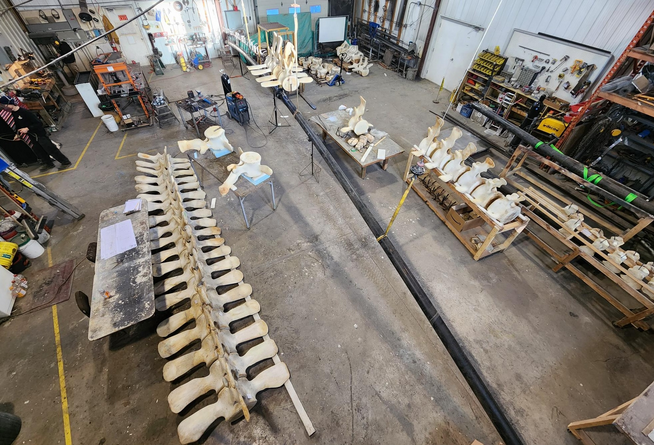
| Cleaned bones from a massive blue whale await to be put back together at a Dinosaur Valley Studios workshop near Alberta, Canada. (Photo courtesy of Dinosaur Valley Studios) |
|
| Researchers then had to turn to dinosaur preservationists in Alberta, Canada to help with the thorough cleansing of its oil-infused bones and reassembled for public display.
Three years later, crews from Dinosaur Valley Studios returned the bones to Newport and finished up six days of installation work Tuesday when they placed the final bones in a metal framework 15 feet off the ground. |
|
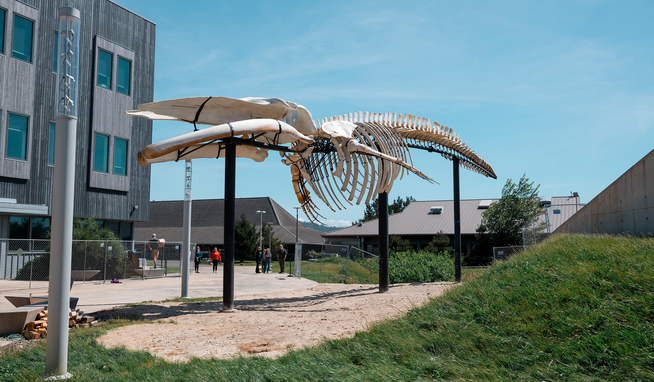
| The 70-foot-long skeleton of a blue whale that washed ashore in 2015 on the southern Oregon coast is now installed and open for public viewing in the east courtyard of the Hatfield Marine Science Center in Newport. (Michelle Klampe) |
|
| While the Hatfield officials still need to design and construct a hard surface below the whale, the installation is now available for more closeup viewing from the courtyard and the tsunami evacuation ramp overlooking the display.
Read more in the Lincoln Chronical or watch a short video on OPB.
The project’s final budget has yet to be determined, but it is likely to exceed the initial $450,000 estimate. “Tariffs,” said OSU, “have not been helpful.” |
|
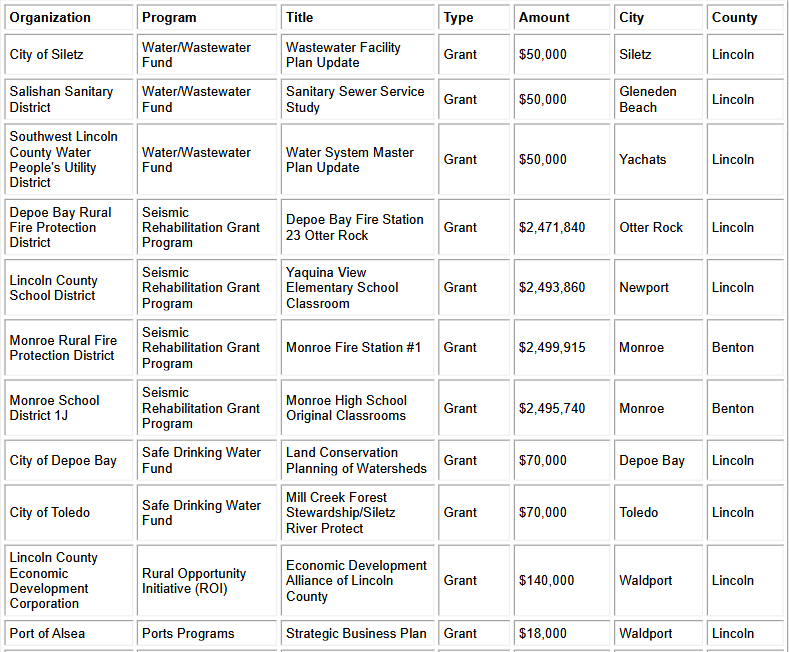
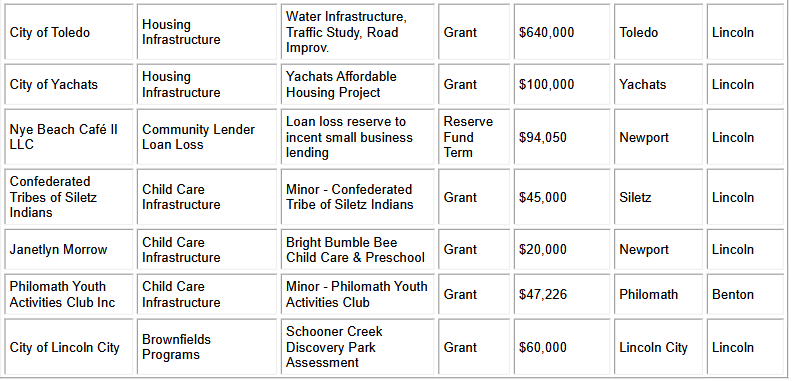
| Regular readers will remember that I co-chair the budget committee on Transportation and Economic Development. That includes Business Oregon. Among many other tasks, that agency administers grant investments supporting local economic development and long-term community growth.
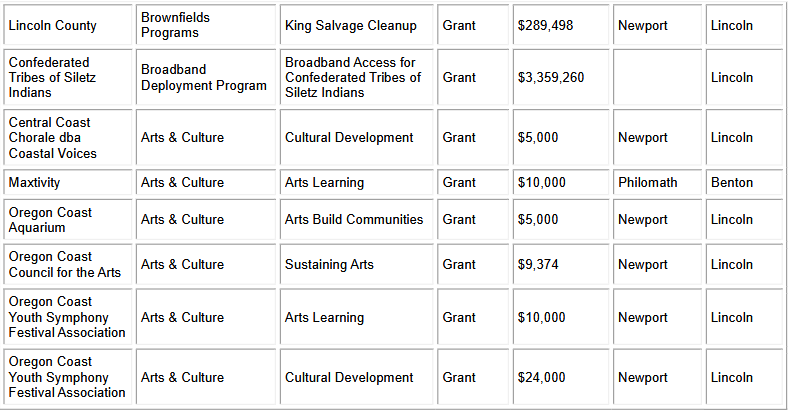
Project investments from Business Oregon’s programs are posted each quarter on their website. I’m pleased to share that for 2025, 26 projects totaling $15,127,763 in District 10 were awarded funding through Business Oregon’s programs. |
|
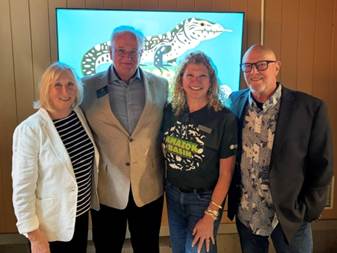
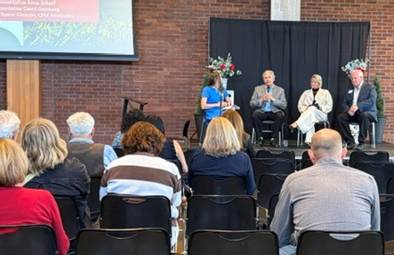
| Over the past week, I met with the Owners Association at the Embarcadero in Newport to discuss silting issues in the marina. Susan and I joined a legislative panel for the Oregon Winegrowers to review legislation, taxes, and budgets. I attended the opening of a wonderful new exhibit at the Aquarium in Newport with fish, reptiles and insects from the Amazon. I joined the Newport Chamber at a reception at Ripley’s on the bayfront. Had lunch with the Lincoln City Chamber to hear the State of the City address. |
|
| That’s Mayor Jan Kaplan and Aquarium Director Carrie Lewis with Susan and me at the Aquarium. |
|
|
| Senator Meek, Representative Scharf, and I talked about the state of the Oregon wine industry. |
|
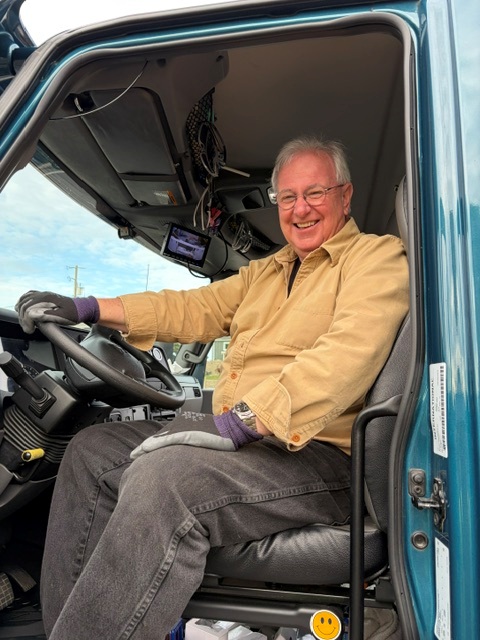
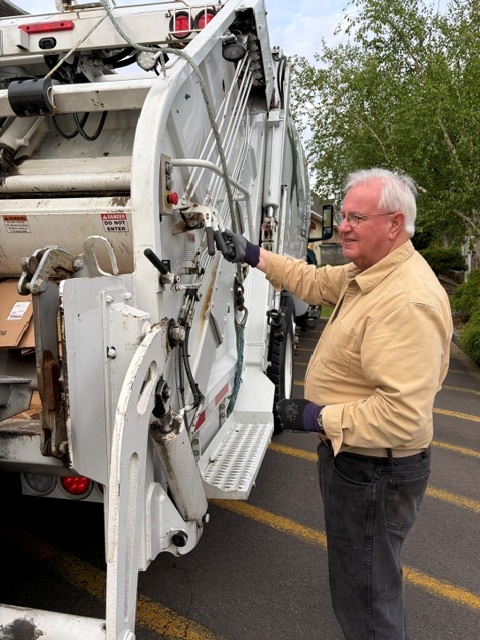
| Earlier in the week, I rode along on a North Lincoln Sanitary collection route learning how to move bins, operate machinery, and blow the truck horn. |
|
| That’s the news for this past week. The coming one will be shorter with a holiday Monday. Make the most of it! |
|