By Representative David Gomberg, House District 10
7/20/2026
Dear Friends and Neighbors,In meetings around our district, I’ve been talking about the challenges your legislature will face next January when we convene to create a two-year budget. Costs are going up—for health care, housing, education, transportation and response to ever threatening wildfires. At the same time, revenue is flattening out or declining. The state’s general fund is the pot of money available for competing needs when the Oregon Legislature adopts a two-year budget in odd-numbered years. It primarily comes from corporate and personal income taxes. But more concerning are reductions in federal dollars coming to Oregon for specific programs.
Today I want to talk about the complex problem of health care for Oregonians.
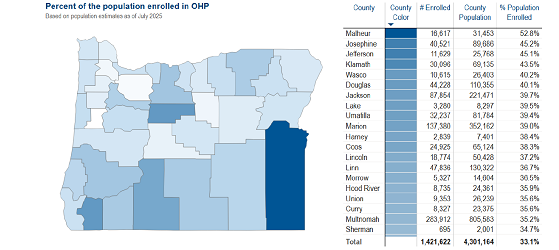
The Oregon Health Plan, the state’s free healthcare program covering 1.4 million children and low-income adults, is facing major changes. The federal Medicaid reductions spearheaded by the U.S. Congress last year in a bill known as House Resolution 1 did a combination of things that, together, are projected to lead to significant cuts for Oregon’s health care system, its providers and its patients.
The changes will require increased reporting, including proof of work or some level of community volunteering or engagement for many Oregon Health Plan recipients. Those requirements are expected to slash 200,000 people off the plan even if they meet the program’s income guidelines.
Here are the salient details:
- – 1.4 million Oregonians—one in three—rely on the Oregon Health Plan (OHP)
- – 57% of Oregon children receive health care through the OHP
- – 200,000 low-income adults are estimated to lose Medicaid coverage because of HR 1
- – The cost of continuing coverage would require about $421 million in state general fund dollars for the two-year budget
- HR 1 policies will cost Oregon $9.41 billion in state and federal funding by 2031
The federal government provides matching funds that cover about two-thirds of the state’s spending, meaning every dollar cut removes three from Oregon’s health care system.
To take a look at potential ways to address this shortfall, Governor Kotek named a group, primarily composed of health insurance, hospital and clinic executives and providers. This week that group of experts gave the governor a report listing more than 40 different options for reducing spending on the program, with no consensus on which to choose.
Governor Kotek directed the group to prioritize proposals that avoid people losing their coverage. Even without any state policies targeting enrollment, the health authority projects that the work requirements in HR 1 could lead up to 200,000 Oregonians to lose their health insurance. OHA has projected that Oregon will lose a total of $9.4 billion as a result of the bill.
Getting to the $420 million target would likely require some combination of cutting benefits that are optional under federal law, reducing spending on prescription drugs and administration, and cutting payments to the contractors that administer Medicaid, known as coordinated care organizations. That in turn could mean lower pay for doctors, clinics, and hospitals.
The group proposed some larger systemic changes that could generate more significant savings. Those include reducing the number of coordinated care organizations, a hard cap on non-medical administrative spending, and switching to a single prescription drug list.
Other optional services that could be cut include physical therapy and occupational therapy, behavioral health case management, acupuncture and chiropractic, and prosthetics.
By 2029, the state will need to cut twice as much from its Medicaid budget.
The cuts will hit Oregon harder than most states in part because Oregon has expanded government-funded coverage to so many people. Oregon has long used Medicaid as a tool to push toward universal health coverage, expanding the program to single adults and adding coverage for undocumented immigrants who meet the program’s income threshold.
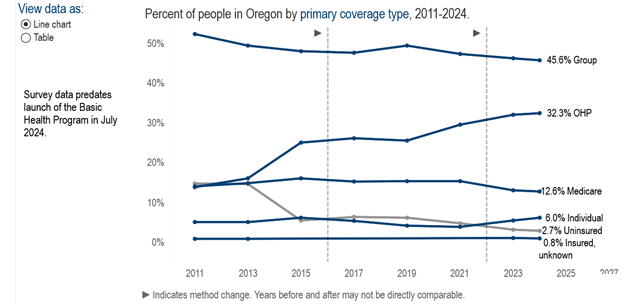
One in three Oregonians and more than half of children in the state now have healthcare through the OHP program. That’s helped drive down the uninsured rate in Oregon, from about 15% of Oregonians in 2011 to about 3% today, according to state data.
The Oregon Health Insurance Survey results show how Oregonians get their health coverage.
- Group: Health insurance coverage obtained through someone’s work, union, association or trust; Cobra or state continuation; Veteran’s Affairs, Military Health, TRICARE or CHAMPUS; or a student health insurance program. This category also includes around 300,000 insured through the Public Employees and Oregon Educators Benefit Boards (PEBB/OEBB)
- Individual: Coverage bought directly by the respondent or another person. Includes plans bought on the Oregon Health Insurance Marketplace, through a broker, or directly from an insurance provider.
- Medicare: Coverage for adults ages 65 years and older and for individuals with disabilities. This category is for Medicare medical programs only.
- Medicaid: A federal health insurance program that’s administered by states. Oregon’s Medicaid program is called the Oregon Health Plan (OHP).
- Unknown: In some years, survey respondents indicated that they had health insurance but could not identify the type of coverage.
- Uninsured: People who do not have any type of health insurance coverage.
|
| Everyone should care about Medicaid policy, because ultimately everyone is affected in some way. When individuals without insurance prolong or avoid care, they show up with more acute issues in emergency settings. And those increased costs are passed along in premiums to those who still have coverage. |
| Now let’s talk about wildfires and then I promise to close with more positive news.
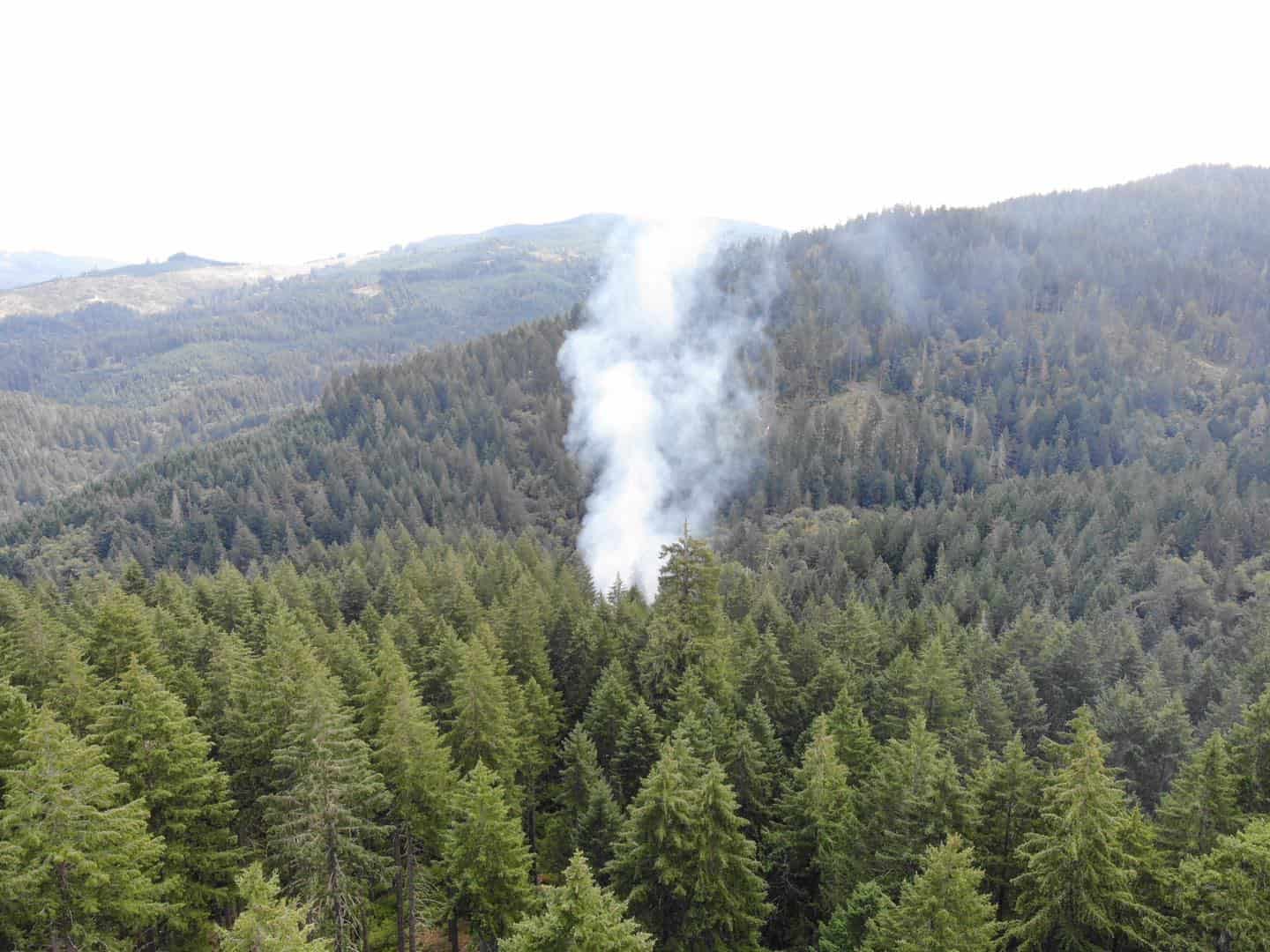
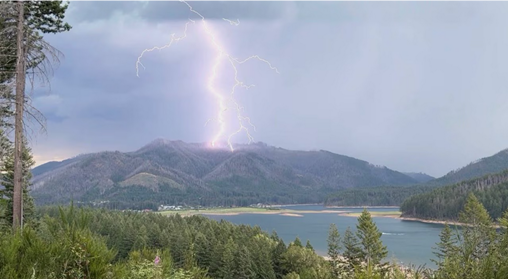
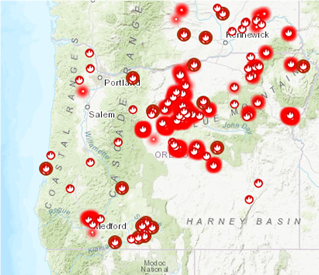
Dozens of wildfires were burning in Oregon on Friday after thunderstorms delivered thousands of lightning strikes across a landscape that had been left parched by drought. Ted Pierce, manager of the Northwest Interagency Coordination Center, said that 140 new fires were reported on Wednesday and Thursday and that they had burned more than 30,000 acres so far. |
|
| A lightning storm on July 15, 2026, near Detroit Lake in the Willamette National Forest.Courtesy of U.S. Forest Service, Willamette National Forest. |
|
| About 11,000 people were under one of Oregon’s three levels of evacuation warnings, which range from telling people to be ready to leave, to telling them to leave immediately, according to the Oregon Office of Emergency Management. OEM said about 1,200 were under the most urgent order to evacuate immediately.
The fires also brought smoke that was spreading across the Pacific Northwest on Friday afternoon, with the most unhealthy air over southwestern, central and northeastern Oregon. |
|
| Oregon’s peak wildfire season runs between July and September, and this one was predicted to be particularly active with widespread drought across the state. Oregon received significantly less snow than usual last winter, and the little that did fall melted away early amid record warmth.
Wildfires burned more than 1.9 million acres in Oregon in 2024. By the time they finally died down at the end of October, the state had spent more than $350 million fighting them, greatly exceeding the $10 million we had budgeted.
Oregon legislators, spurred by the lessons of 2024, passed a slate of changes during the 2025 session to strengthen the state’s approach to funding both wildfire prevention and suppression, including the new nicotine pouch tax meant to bolster funding for the state’s wildfire reduction effort. We also raised existing taxes on timber harvest and landowner fees for building in forested areas, and established a new process for the Oregon Department of Forestry to obtain emergency loans from the State Treasury.
In addition, the legislature allocated $150 million for a new natural disaster fund, replenishing and more than tripling an emergency wildfire fund. And we created a new account, to be filled with federal reimbursements from past fire seasons, that the Department of Forestry can access without a special legislative session. Still, the state appropriated $25 million less in its 2025-2027 budget than fire agencies had requested for wildfire funding.
Each year, about 70% of the wildfires in Oregon are the result of human activity. Every Oregonian has a responsibility to help prevent wildfires. You can help by reminding people to know the fire danger level of the areas they live, work and play, and follow all local restrictions on burning, equipment use, campfires, fireworks, and other activities that can start wildfires. Fire danger levels and restrictions throughout the state are available here. |
|
| OK—some good news.
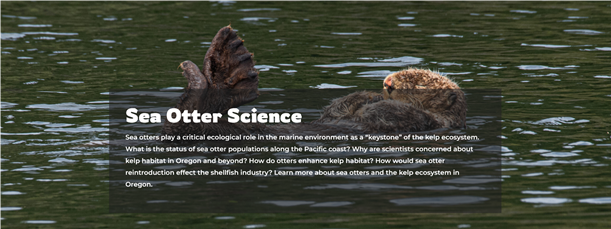
This is a cool thing you might not know much about. Over the last several months, I’ve had the opportunity to work with community members who have dedicated years to bringing sea otters back to Oregon. The Elakha Alliance is helping lead this effort by combining conservation, science, and respect for the cultural significance of sea otters to Oregon’s coastal indigenous communities.
They recently shared with me a fascinating article about Oregon’s sea otters and the important role these incredible animals once played in our coastal ecosystems. Before they were hunted to extinction in Oregon, sea otters helped maintain healthy kelp forests and supported the balance of our marine environment.
The article also mentions the National Museum of Natural History’s “From These Lands” exhibit that opened in June and highlights this history through a story about a historic sea otter skull in its collection and the important lessons we can learn from these animals’ disappearance and potential return.
I am working to bring sea otters back to Oregon. If you’re interested in learning more, check out The Elakha Alliance. |
|
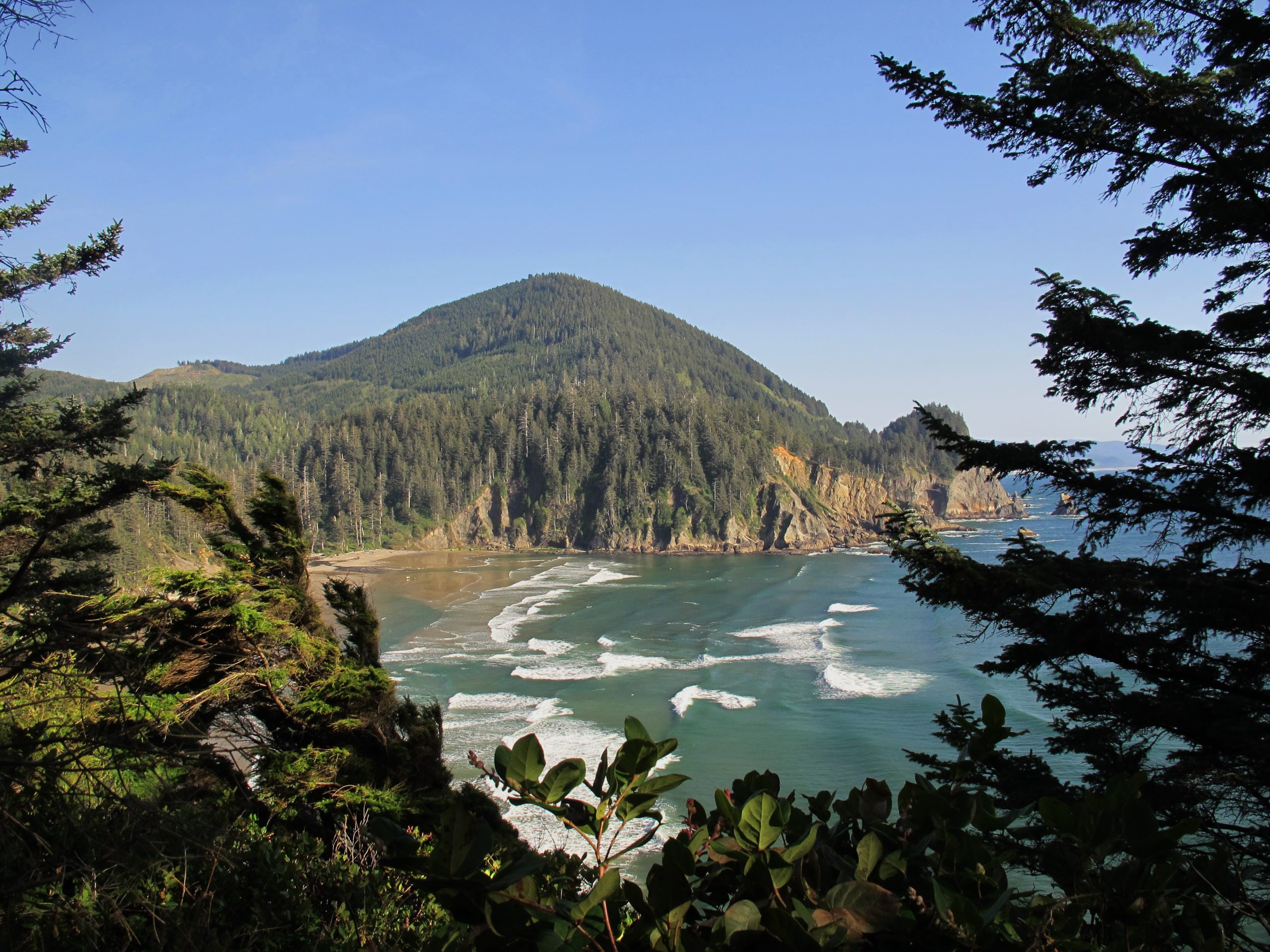
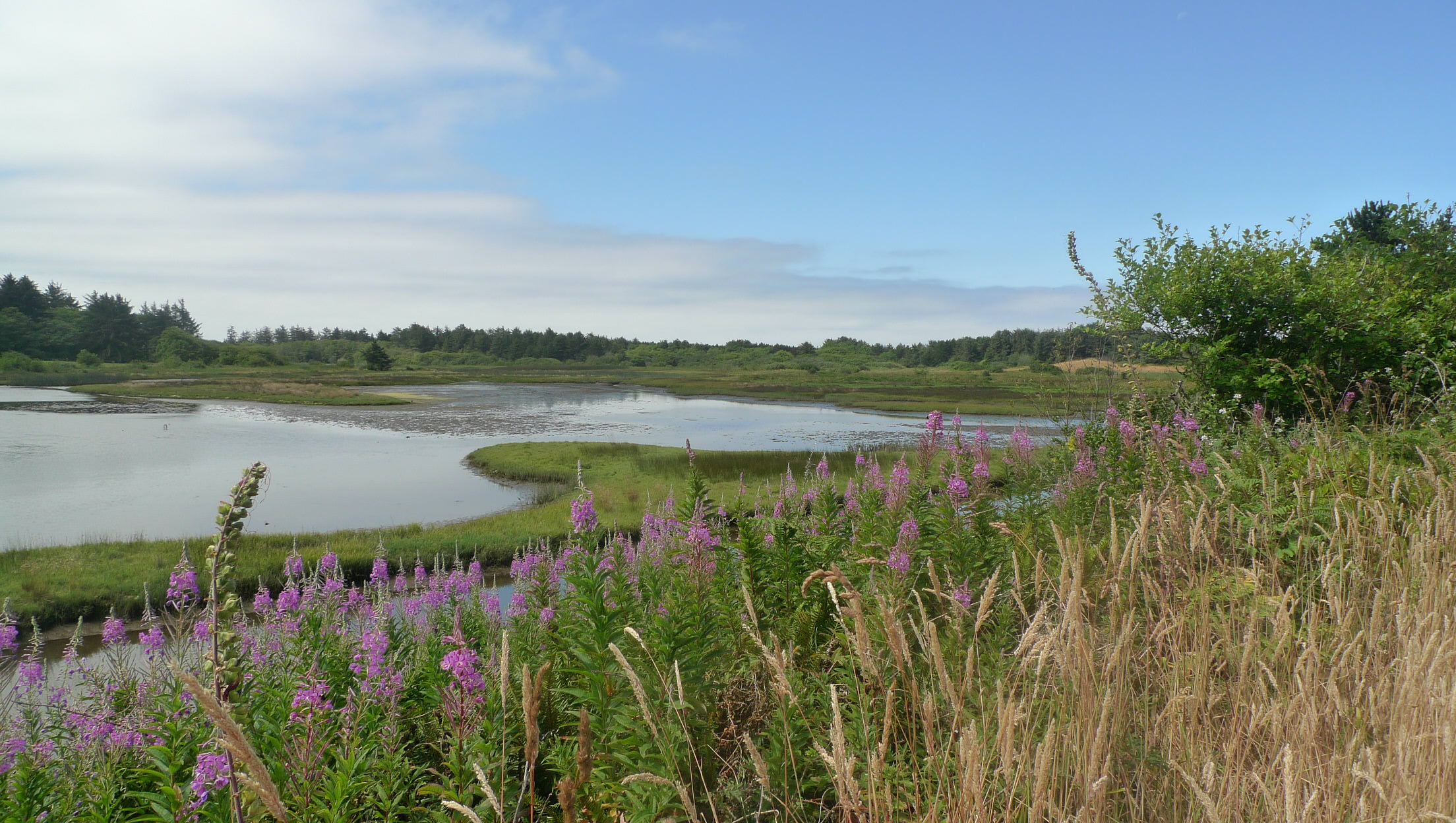
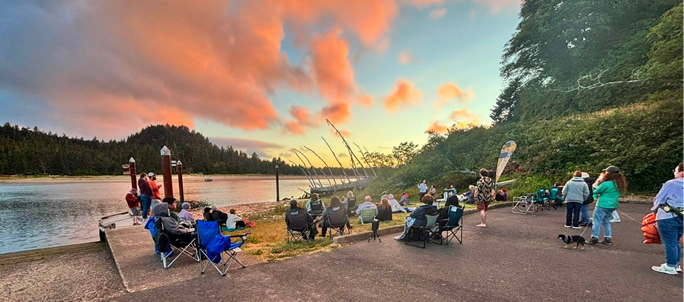
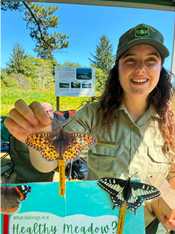
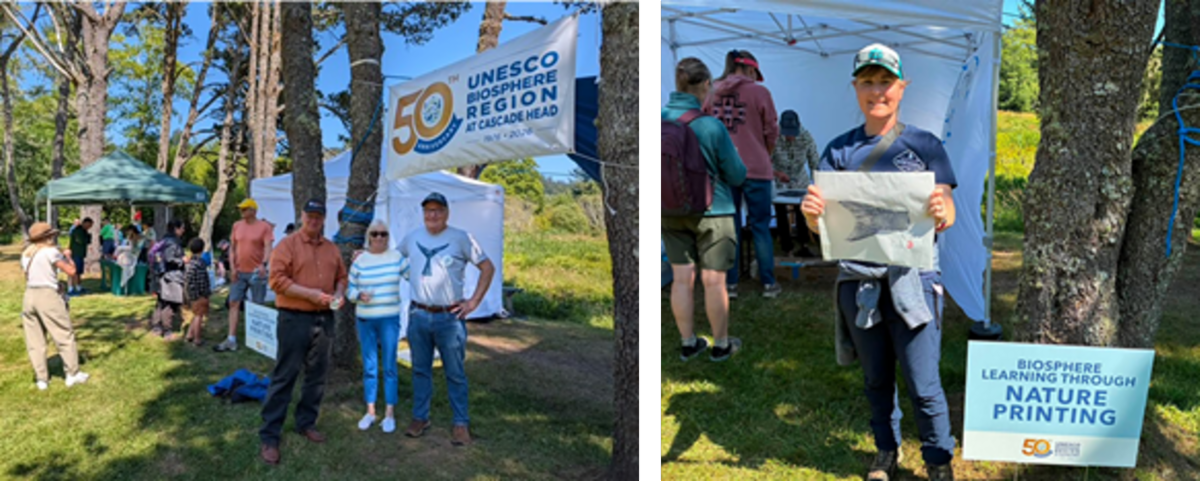
| This weekend, scores of people gathered for the 50th anniversary of Oregon’s only UNESCO biosphere region at Cascade Head. The celebration brought nature, science, and fun all together on one perfect coastal afternoon and evening.
UNESCO biosphere regions are internationally recognized areas where communities and ecosystems work to thrive together.
Biosphere regions don’t aim to block human activity. Instead, they’re separated into three main zones: a core area that’s strictly protected; a buffer zone that encourages things like eco-tourism and education, but with minimal impact; and a transition area where local people try to practice sustainable lifestyles. The sites act as living laboratories, testing and demonstrating ideas to balance the relationship between people and nature.
At the Cascade Head site, the community has been reversing historical agricultural practices along the Salmon River by removing dikes and tide gates. They want to restore the estuary to its condition before large-scale human intervention. For the first 43 years, not much changed at the Cascade Head Biosphere. But in 2017, its borders were expanded tenfold to include most of Lincoln City, the entire Salmon River watershed, and a large marine reserve.
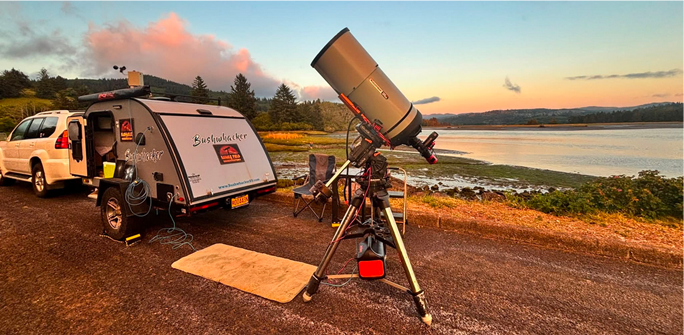
Saturday at Knight Park, the anniversary program included live music, boat tours, birding excursions, hikes, educational lectures and even stargazing. |
|
| I always enjoy ribbon cuttings as they reflect completion, investment, and optimism. And it seems like new businesses are opening all over the district this week. |
|
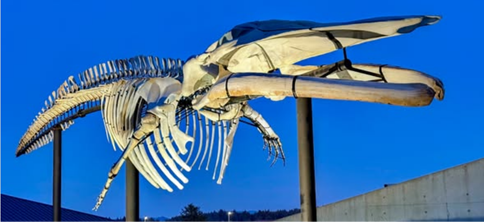
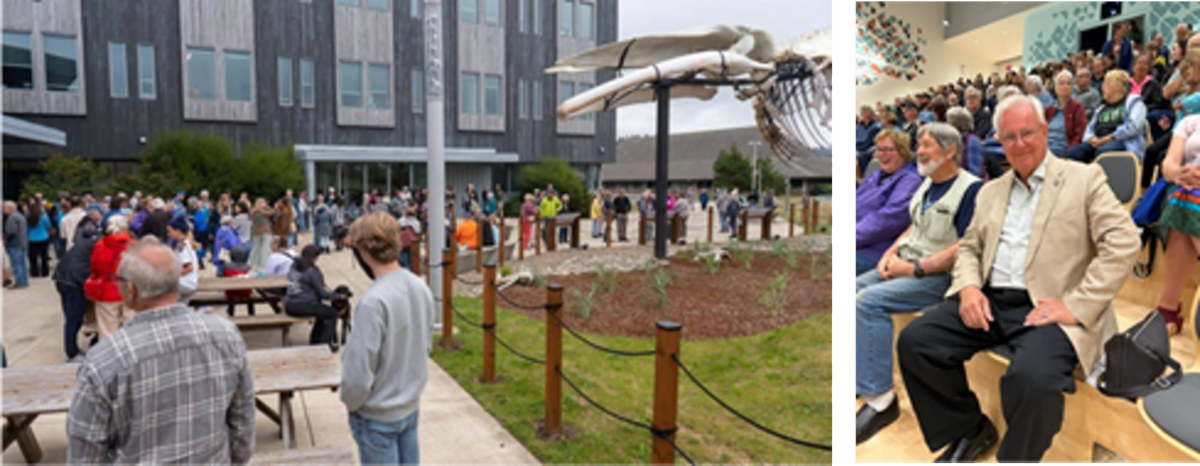
| By far the largest crowds were on hand for the official launch of the blue whale display at the Hatfield Center in Newport. |
|
| Saturday, Susan and I drove north to meet with Pacific City Dorymen and their plans for a Dory Heritage Museum. Before redistricting in 2021, I represented southern Tillamook County and started conversations about the museum then. So I was happy to “consult” as plans progress and it was a great day to also enjoy the annual Dory Parade. |
|
| Driving south from PC, Susan and I stopped at Cascade Head for the celebrations there. |
|
| The coming week is filled with meetings. Monday, I’ll listen to a state wildfire update and sit down with the Elakha Alliance to further discuss Sea Otter conservation. Tuesday, I meet with legislative leadership. Wednesday, is a day-long Community College Foundation meeting. Thursday, is a planning meeting for the Blue Economy Task Force which I will chair. Friday, the House Democrats are meeting for a full day to discuss the upcoming legislative session. And Saturday, is the Fisherman’s Wives Homeport Dinner.
Summer is passing quickly but the best part of each day is a glass of wine on the deck as the sun sets. I trust you are enjoying these glorious days as well. |
|