


Razor clams are closed on the whole Oregon coast. Everything else a Tillamook digger usually wants is open, with one date coming up fast on ocean crab.
The Oregon Department of Agriculture closed razor clam harvest from the Washington line to the California line on Oct. 2. Domoic acid tested over the safety threshold, including on Clatsop Beach. Tillamook beaches are in that closure. Cooking does not remove the toxin. A reopening takes two clean tests in a row, at least a week apart. Call the Shellfish Safety Hotline at 1-800-448-2474 before you go. The status page was last updated Oct. 2.
Mussels are open coastwide. Bay clams are open coastwide. Sport crab is open coastwide. Ocean crabbing closes Oct. 16 through Nov. 30. Bays, beaches, estuaries, piers, and jetties stay open all year, around the clock. Anyone 12 or older needs an ODFW shellfish license. Kids under 12 do not, but the limits still apply to them.
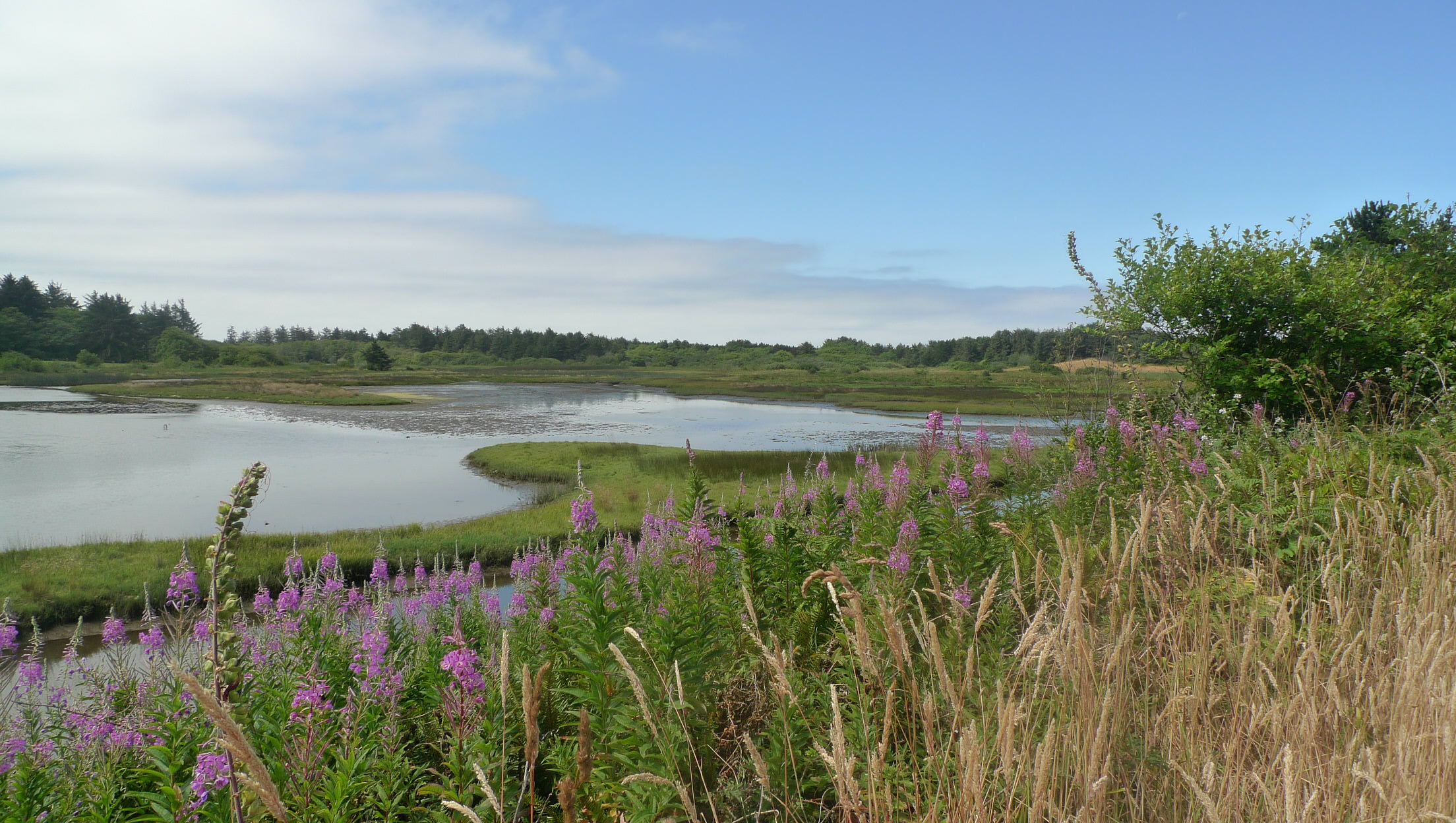
In Tillamook County, the digging is in the bays. Tillamook Bay holds butter clams, gapers, cockles, and softshells, and there is boat crabbing in the channel. A few razor clams show up at the north end of the bay, but those are closed with the rest of the coast. Netarts Bay is the reliable mixed flat: gapers, cockles, littlenecks, softshells, and butter clams. The boat basin at the north end of Netarts Bay Drive is the put-in, and the jetties there take a rod-and-reel crab setup from the bank. Nehalem Bay is mostly softshells and purple varnish clams on mud flats you reach by boat or by walking in from Nehalem Bay State Park. Nestucca Bay has boat crabbing close to the ocean and softshells on the flats.
Bay clams, which means butter, littleneck, gaper, and cockle, come by hand or with a hand-powered tool. The daily limit is 20 in aggregate, and only 12 of those may be gapers. You keep the first 12 gapers. No sorting, no putting them back. Softshells and other clams not in that bay-clam group have a daily limit of 36 in aggregate, and the first 36 softshells count. Purple varnish clams are a separate daily limit of 72.
Dungeness crab are males only, 12 a day, and 5¾ inches across the back, measured in a straight line in front of the points, not including them. Females go back. Red rock crab are 24 a day, any size or sex. Gear is a ring, a baited line, or a pot, three total per person, or by hand, dip net, or rake. ODA recommends you do not eat the crab butter, the guts.
The Oregon Health Authority has a standing advisory on softshell clams along the whole coast because they can carry naturally occurring arsenic. That is not the razor clam closure, and it is not a biotoxin shutdown.
A bay-mussel pot does not need much. Scrub two pounds of mussels and pull off the beards. Discard any that are open and do not close when you tap them. Sweat a sliced onion and three chopped garlic cloves in butter until soft. Add the mussels and a half cup of white wine, or water if that is what is in the kitchen. Cover and steam about five minutes, until they open. Throw out any that stay shut. Finish with chopped parsley and black pepper, and serve with bread for the broth. The same pot works with a handful of littlenecks if the tide gave you those instead.
Bay mussels in a pot
Serves 2 as a meal, 4 as a first plate. About 20 minutes.
Ingredients
2 pounds bay mussels
1 onion, sliced
3 garlic cloves, chopped
2 tablespoons butter
1/2 cup white wine, or water
A small handful of parsley, chopped
Black pepper
Bread, for the broth
Method
Scrub the mussels and pull off the beards. Tap any that are open. If they do not close, discard them.
Melt the butter in a pot with a lid. Add the onion and garlic and sweat them until soft.
Add the mussels and the wine, or water. Cover.
Steam about 5 minutes, until the shells open. Discard any that stay shut.
Finish with parsley and black pepper. Serve with bread for the broth.
Littlenecks can stand in for some of the mussels if that is what the tide gave you.
