



The Tillamook County Pioneer provides readers with expanded election coverage – Questions for the Candidates – gives our communities an introduction to the candidates and an unbiased view to compare the candidates side-by-side on important issues. All candidates were provided with the same questions; the questions were provided by a wide variety of Tillamook County residents. We did not receive a response from all candidates. If you have other “questions for the candidates” – please forward them to editor@tillamookcountypioneer.net.
Candidates for Oregon State Representative, House District 32 – Max Sherman, Republican and Cyrus Javadi, Democrat/Independenr (incumbent)
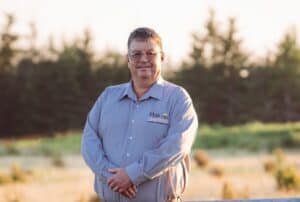
Max Sherman, Republican
1. What are the main points you want voters to remember about you? Introduce yourself to the community.
I’m Max Sherman. I’m not a career politician, I’m a retired teacher, farmer, and most importantly a husband, dad, grandfather, and neighbor. Lynda and I have lived on the North Coast for 25 years and have a farm in Hebo. I taught agriculture, welding, and biology for 35 years at Tillamook and Canby High Schools and mentored hundreds of students into technical and agricultural careers. I refused to sit on the sidelines when trust was broken over the gas tax. This campaign is about restoring integrity, accountability, and common sense to Salem. I’ll keep my word, and I will always put the North Coast first.
2. What do you believe are the responsibilities for someone elected to this office?
Bring honesty, accountability, and common sense to Salem. Do not play political games with our values and hard-earned tax dollars. When the will of the people is threatened, leaders must stand up and defend it. A representative should lower the cost of living, protect jobs in agriculture, fishing, and timber, hold agencies like ODOT accountable, get schools back to basics, strengthen Career & Technical Education, and fully fund local law enforcement. Stick to your promises. The North Coast should never be treated like an afterthought and deserves a leader who fights for us not himself.
3. What characteristics or principles are most important for an elected official?
Faith, strong family values, hard work, keeping your word, helping those in need, and treating others as you would want to be treated. Trust is built through consistent actions, not just words. Be honest and transparent, follow through on commitments, respect others, and acknowledge mistakes when they occur. I won’t change my positions when the political winds shift.
4. What areas of public policy are you personally passionate about?
Education and Career & Technical Education—FFA, welding, agriculture, and programs that give kids a path here on the coast. Affordability and stopping new taxes and hidden fees. Sustainable agriculture, fishing, and timber. Responsible transportation funding and ODOT accountability. Protecting farmland and water, including from data centers that raise utility costs. Public safety and parental rights in education. I have worked these issues for nearly 40 years through Farm Bureau, FFA, and testimony in Salem.
5. What do you think are the 3 most important issues to voters in our communities today? And what solutions would you offer?
First, the rising cost of living and increasing taxes and fees: Salem has a spending problem, not a revenue problem. Stop new taxes and hidden fees and cut regulatory burdens driving up fuel, energy, and housing costs. Second, burdensome regulations hitting farms, fisheries, timber, and small business: reduce rules that do not increase safety or productivity and support apprenticeships so young people can stay. Third, failing roads and a school system that has lost focus: hold ODOT accountable, fix highways and bridges first, get schools back to basics, and fund CTE. Restoring trust in leadership runs through all three.
6. Who do you look up to? Whose example would you like to follow, and why?
My parents.
My dad was one of the hardest-working people I have ever known, yet he always found time for his family. He taught me the value of a strong work ethic, but also the importance of keeping balance in life and making time for the people who matter most. My mom was a young girl during the Nazi occupation of World War II. She lost her father during the war and her mother shortly afterward. Eventually, she was sponsored and adopted by a couple here in Oregon. Her experiences taught me to appreciate the blessings in life, never take anything for granted, and remain true to my faith, even through difficult times.
I have always looked up to my parents, and I try to live my life by the values they instilled in me: faith, family, hard work, gratitude, and perseverance.
7. If presented with overwhelming evidence that something you believe in is proven to be false, are you willing to admit you are wrong? How will you address mis-information and the divisiveness in politics today?
Yes. I have said I believe in acknowledging mistakes when they occur. Trust is built through consistent actions. Effective leadership starts with listening. I take time to research and analyze issues and aim to offer thoughtful, fact-based solutions that can build consensus. I have worked with many groups over four decades. I am not interested in division for its own sake. I show up, listen, ask questions, and work toward practical solutions for the North Coast.
8. Who are your top five campaign donors? What percentage of your donors are local (Oregon)? Have you taken any cryptocurrency donations?
-
Evergreen PAC
-
Bring Balance to Salem PAC
-
Friends of Anna Scharf
-
Amanda for Oregon
-
Oregon Business & Industry Candidate PAC
97.6% of my donations come from Oregon. I have not taken any cryptocurrency donations.
9. What is the most recent song or music that you listened to?
“The Farmer and the Lord” by Jimmy Dean
10. What are your personal interests or hobbies – what do you do in your spare time?
Gardening, raising chickens and turkeys, food preservation, and sharing those skills with others. Lynda and I donate produce and poultry to local food banks and churches. I barbecue for community events, enjoy square dancing, walking on the beach, hiking to waterfalls with my wife, and studying air and naval history.
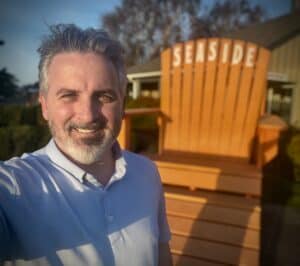
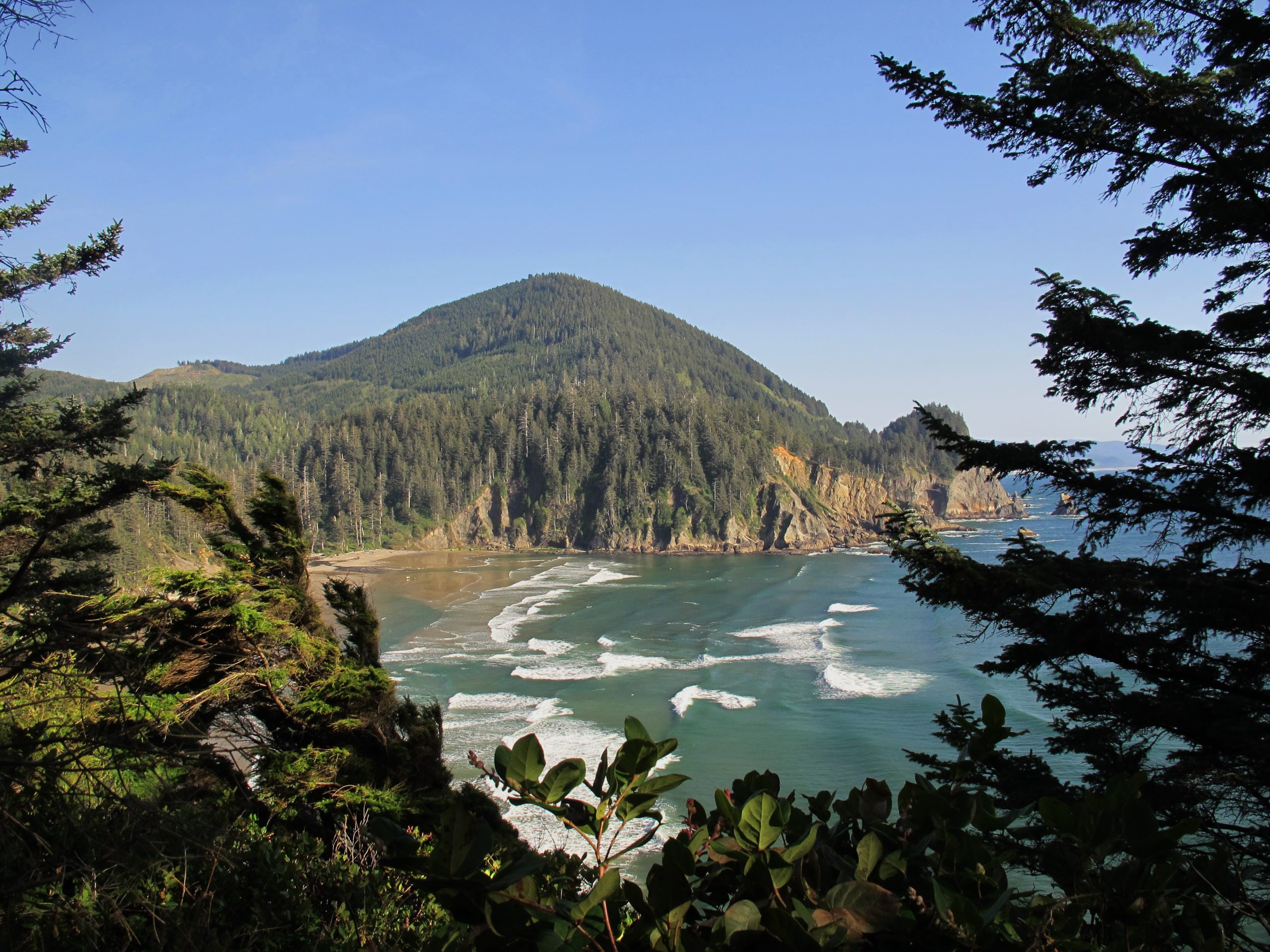
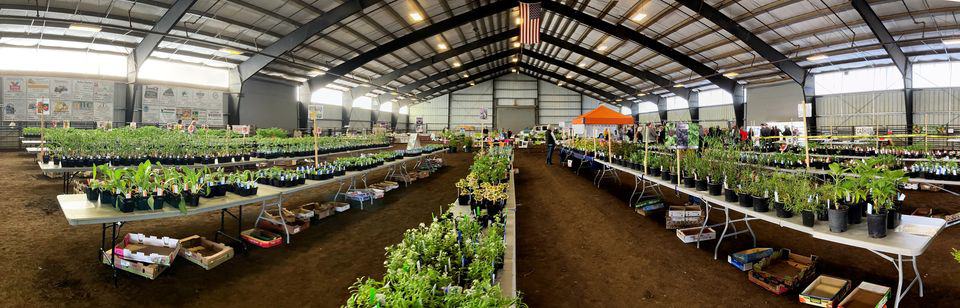
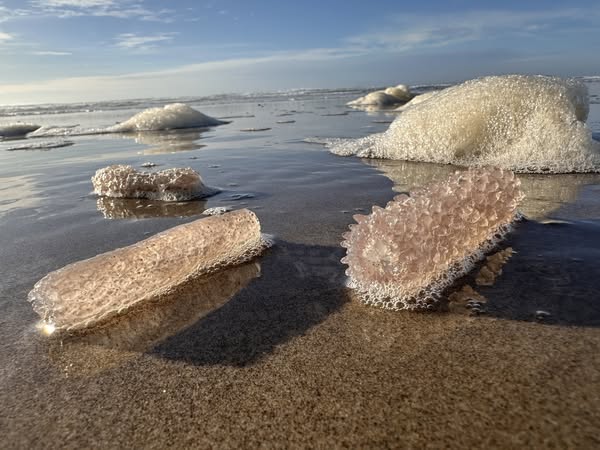
11. Last photo on your cell phone.

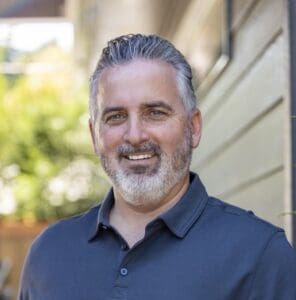
Cyrus Javadi, Democrat/Independent (incumbent)
- What are the main points you want voters to remember about you? Introduce yourself to the community.
My name is Cyrus Javadi. I’m 49 years old, and I moved to the North Coast in 2008 and I’ve lived in Tillamook County since 2012.
I’m a practicing dentist, the owner of SandCreek Dental in Tillamook, and your state representative for House District 32. Before dental school, I studied accounting at Brigham Young University and worked for a short time in finance. I’ve also served as Tillamook County’s Dental Director and as a Port of Tillamook Bay commissioner.
I’m a husband, a father in a blended family of nine kids, a small-business owner and somebody who still has to go to work when the Legislature isn’t in session.
If there is one thing I hope people remember about me, it is that I try to put the North Coast ahead of party labels. I’m willing to work with people I disagree with, change my mind when the facts warrant it, and vote based on what I think will actually help the people I represent.
- What do you believe are the responsibilities for someone elected to this office?
First, listen.
A state representative represents roughly 70,000 people, not just the people who voted for him and certainly not just the people in his political party.
The job is to understand what people here are dealing with, help constituents navigate state government, carefully examine legislation, manage taxpayer money responsibly and make decisions that will sometimes be difficult or unpopular.
I also think legislators have a responsibility to explain their decisions. People may disagree with my vote, but they should be able to ask why I cast it and get a straight answer.
- What characteristics or principles are most important for an elected official?
Integrity, humility, curiosity and independence.
Integrity means telling people the truth even when it is inconvenient.
Humility means remembering that being elected doesn’t suddenly make you the smartest person in the room.
Curiosity means listening to people who know more about a subject than you do.
And independence means being willing to tell your own party “no.”
Politics rewards certainty. Governing requires judgment. I think good elected officials should know the difference.
- What areas of public policy are you personally passionate about?
Health care is probably the most obvious. I’ve practiced dentistry for nearly 20 years, so I’ve seen health care from the provider side, the small-business side and now the legislative side.
I care especially about access to health care in rural communities, mental and behavioral health, Medicaid, prescription drug costs and making sure health care professionals can actually afford to practice in places like the North Coast.
I’m also passionate about housing, infrastructure, education and economic opportunity in rural Oregon.
A lot of state policy is written with Portland or the Willamette Valley in mind. I spend a fair amount of time reminding Salem that Oregon continues west of I-5.
- What do you think are the three most important issues to voters in our communities today? And what solutions would you offer to address these issues?
The three things I hear most often are affordability, housing and access to basic services such as health care.
Affordability: Food, electricity, insurance, fuel and taxes have all put pressure on household budgets. State government should be very cautious about adding new costs. We also need to examine regulations and policies that make housing, energy and doing business more expensive.
Housing: We simply don’t have enough housing that working people can afford. The average home costs $500,000 on the coast, but the average income is $72,000. People who work here can’t afford to live here. We need more supply, faster permitting, infrastructure for buildable land and more flexibility for communities to develop workforce housing that fits local needs.
Health care: Rural communities are losing providers while costs keep rising. We need to protect rural hospitals and clinics, expand the health care workforce and make Medicaid reimbursement sufficient so that providers can afford to see patients.
None of those problems has one magical bill attached to it. If somebody tells you otherwise, guard your wallet.
- Who do you look up to? Whose example would you like to follow, and why?
I admire people who are willing to reconsider their own assumptions.
Abraham Lincoln is an obvious historical example because he blended very strong convictions with an willingness to hear opposing arguments and surround himself with people who disagreed with him.
I also admire people much closer to home—the small-business owner trying to make payroll, the nurse working an extra shift, the teacher staying late with a struggling student, the parent raising children while trying to keep the bills paid.
Public life has a way of turning politicians into celebrities. Most of the people I admire aren’t famous.
- If presented with overwhelming evidence that something you believe in is proven to be false, are you willing to admit you are wrong? How will you address misinformation and the divisiveness in politics today?
Absolutely.
In fact, I think one of the strangest expectations in politics is that changing your mind is somehow a weakness.
If the facts change, or if I learn something I didn’t know before, I should reconsider my position. That’s not flip-flopping. That’s thinking.
As for misinformation, I try to go back to original sources whenever possible—actual legislation, budget documents, agency reports and data rather than a meme or somebody’s description of them.
And I think we would lower the temperature in politics considerably if we stopped assuming that everybody who disagrees with us must be stupid, corrupt or evil.
Reasonable people can look at the same facts and reach different conclusions. Democracy depends on our ability to live with that.
- Who are your top five campaign donors? What percentage of your donors are local (Oregon)? Have you taken any cryptocurrency donations?
For the 2025–26 election cycle, my five largest contributors, counting both cash and in-kind contributions, are Future PAC, House Builders ($73,459.90); the Democratic Party of Oregon ($47,453.38); Local 48 Electricians PAC ($32,222); Citizen Action for Political Education ($31,750); and the Oregon Hospital Political Action Committee ($31,000).
About 92% of the contributions to my campaign have come from Oregon. That includes the small cash and check contributions of $100 or less that are reported in aggregate rather than by individual donor.
I have not accepted any cryptocurrency donations.
- What is the most recent song or music that you listened to?
“Ring of Fire” by Johnny Cash.
Apparently my musical tastes remain safely outside the jurisdiction of the Legislature.
- What are your personal interests or hobbies – what do you do in your spare time?
I play piano, paint and occasionally torture myself with golf.
Most of my free time, though, is spent with my wife Mollie and our family. We have a blended family with nine children, so “spare time” is sometimes more of a theoretical concept.
I also enjoy reading, writing and exploring the North Coast. One of the perks of representing this district is that driving around it rarely feels like much of a hardship.
Send us the last photo you took with your phone