











By Neal Lemery
Being a man in the United States in 2026 is a daunting task, with many obstacles, expectations, and challenges. We don’t make it easy for men to be “successful” or to thrive in our culture. The pressure to be a strong, successful man is relentless, and often leads to destruction and failure, as well as the occasional great success.
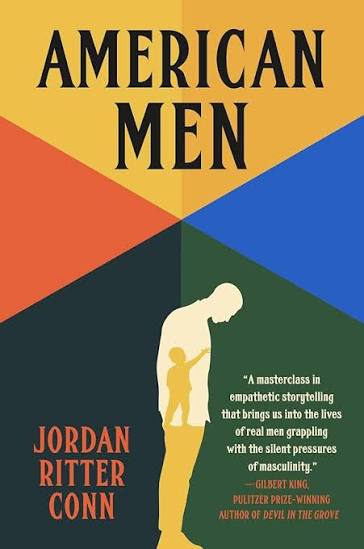
Jordan Ritter Conn takes a deep dive into American masculinity and the challenges of being a man in these times, in his creative non-fiction book, American Men (Grand Central Publishing, 2026). He takes us into the lives of four men, allowing them to open up about their lives, their childhoods, their fears, and their passions. Their stories are compelling, and, very often, reflecting the common experiences of our neighbors, relatives, and ourselves.
Seemingly ordinary men, they are soon baring their souls and taking us deep into their hearts, sharing their wounds, passions, fears, failures, and their loves. We learn of their individual dragons and traumas, how they came to truly know themselves, find their unique flaws and talents, and how they have managed to navigate their way through life and American culture. We soon develop an intimate relationship with each of them, cry over their disasters and cheer their successes, in a culture that gives little acceptance and support for their journeys.
They struggle with the American ideals of masculinity: physical power over other men, sexual attractiveness, emotional steadiness, and the ability to support a family, and other traits we often ignore when we talk about healthy masculinity in America. Being supported in that journey is often an ignored topic in our culture, and we all pay the price: high suicide rates, skyrocketing rates of addiction, domestic violence, incarceration, and declining educational and personal achievements.
Conn’s book goes deep into the lives of these men, humanizing these statistics, and personalizing the struggles each of them have faced and continue to face as they struggle to be successful, to be good men.
These stories are disturbing, often because they are the result of cultural indifference to men who have been traumatized, not listened to, and who have not been embraced by a society that seems to be indifferent to their emotional and social needs. The stories are a wake-up call to all of us, asking all of us to find a place at the family table for them, and for loving arms to hold them as they work at finding nurturance and acceptance for who they are, and who they want to become.
Healthy masculinity in our country is an unachieved goal, and men’s lives are often in crisis. We ignore today’s reality at our peril. This book is a call to action, and compassion.
“Our relationship to masculinity comes to be defined by how we navigate the gap between the men we think we should be and the men we actually are.”
This book will challenge you, enlighten you, and also call upon you to be an instrument for change, to reach out to engage men in serious conversation about American manhood. The importance of this book is that these stories are now being told, that we can all hear these cries for help and support, as American men find their way out of their wilderness of not being heard, of not finding a role in society for their needs and their aching hearts.
As Conn talked to people, he noted that “every one of them could think of someone whose story felt relevant. Sometimes, that someone was themselves.”
6/24/2026
