




Two kiteboarders were rescued Tuesday evening after being swept out to sea near Damon Point in Grays Harbor County, Washington, the U.S. Coast Guard reported.
Watchstanders at Coast Guard Sector Columbia River received a call at about 8 p.m. from Grays Harbor 911 that two people had been carried offshore. Crews launched a 47-foot Motor Lifeboat and a 29-foot Response Boat-Small from Station Grays Harbor, along with an MH-60 Jayhawk helicopter from Air Station Astoria.
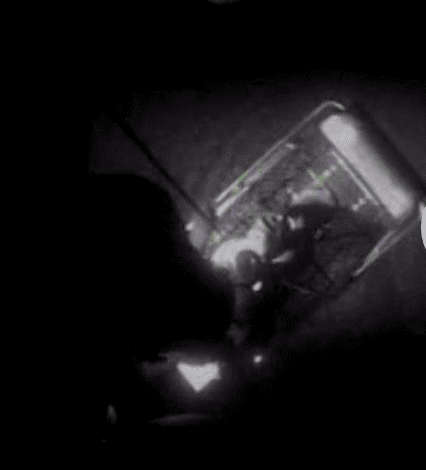
After flying through low cloud ceilings and poor visibility for roughly 25 minutes, the helicopter crew located a woman stranded on a sandbar and hoisted her to safety. Ocean Shores Police then reported a second person stranded on a rock jetty. The aircrew found the man and lifted him from the rocks. Both were flown to Ocean Shores Municipal Airport and transferred to waiting emergency medical services at 10:54 p.m.
“Two hours is a long time in that wind and water, and they stayed with it,” said Lt. Cmdr. Alex Cardenas, search and rescue mission coordinator at Sector Columbia River. “Dispatch relayed the call quickly and the aircrew flew a tough approach twice in very limited visibility. The two kiteboarders did the hardest part before we ever got overhead.”
Conditions at the time included 12 mph winds, 1-foot waves, 58-degree air, and 55-degree water.
A reminder for summer on the coast
The successful rescue is good news, but it also underscores how quickly conditions on the open coast can turn. Damon Point and similar sandspits and jetties along the Washington and Oregon coasts are popular for kiteboarding, surfing, and beach walking — and they are also places where people regularly get cut off by the tide or pushed farther offshore than expected.
Local responders and the Coast Guard regularly urge the same basic precautions during the busy summer months:
- Check the tide tables before heading out and give yourself a wide margin. Incoming tides can close off sandbars and spits faster than many people expect.
- Respect the water temperature. Even on warm days, ocean water in the mid-50s can quickly lead to hypothermia.
- Tell someone your plans and expected return time.
- Carry a means of communication that works when wet, and know how to signal for help.
- If you are kiteboarding, surfing, or paddling, understand the local currents and wind patterns and be honest about your skill level and equipment.
- Never try to “beat” or outrun an incoming tide on foot across low-lying areas.
Summer brings more people to the beaches, more recreational users on the water, and more opportunities for things to go wrong in a hurry. The Coast Guard, local fire and rescue agencies, and law enforcement respond to these calls throughout the season. Most end far better when people recognize the risk early and avoid putting themselves in a position that requires a multi-agency rescue after dark in limited visibility.
The two kiteboarders in this case survived because they stayed with it and help arrived. The safer outcome is not needing that help in the first place.
