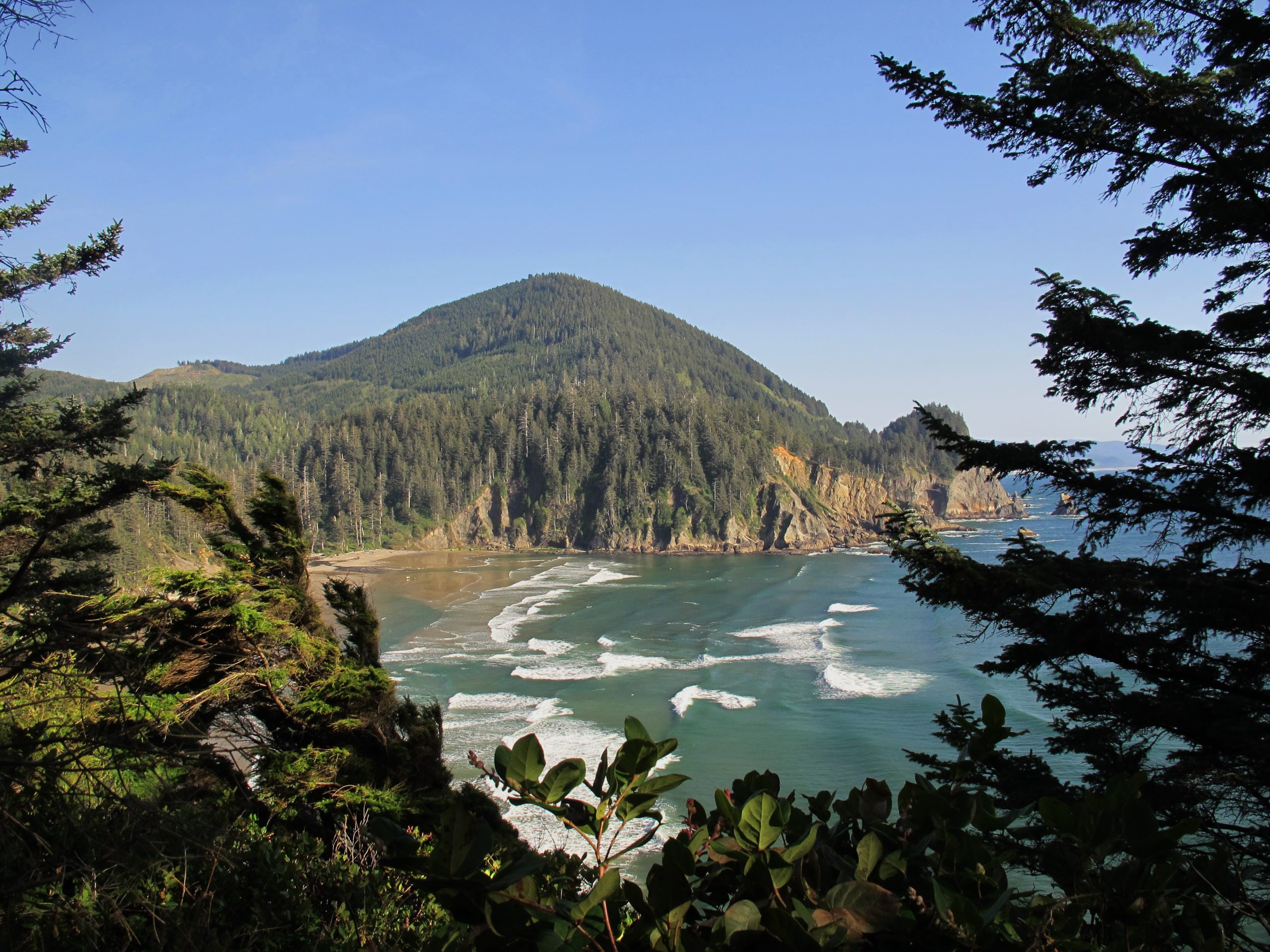

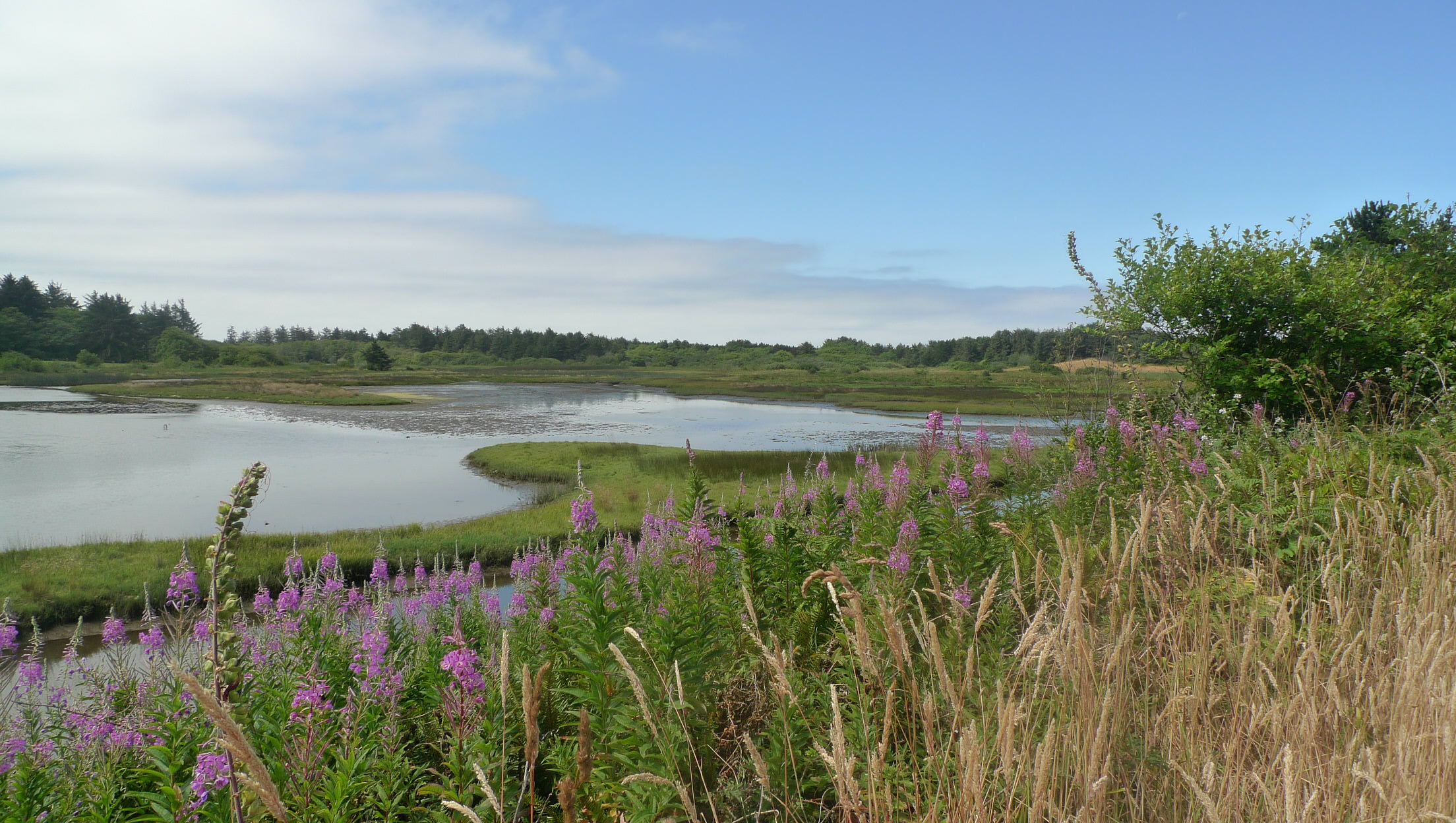



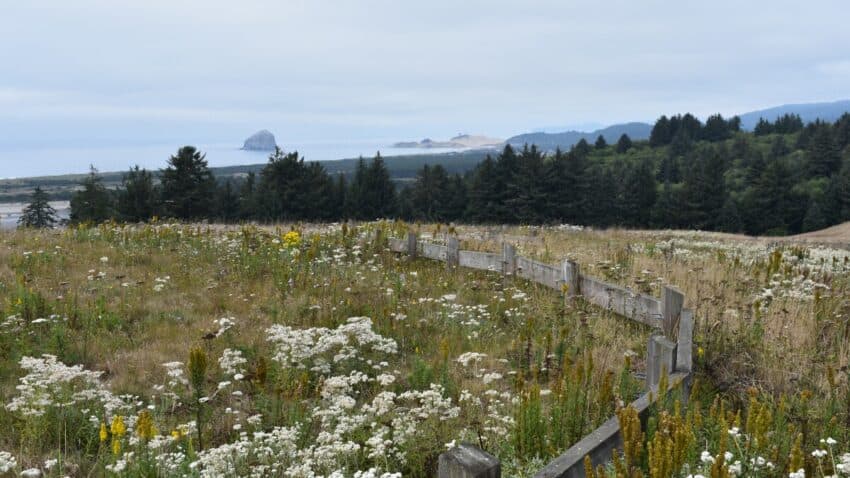
(Cloverdale, OR) — Join the U.S. Fish and Wildlife Service on a guided plant walk at Nestucca Bay National Wildlife Refuge on Saturday, July 25. Beginning at 11 a.m., visitors will join one of the refuge’s biological technicians for a guided walk through the refuge’s coastal prairie. Visitors should meet in the upper parking lot by the Two Rivers Trailhead. Participants will learn how to identify native flowers and other plants, explore their role in supporting wildlife, and hear how refuge staff manage invasive species. The walk will be approximately one mile and includes some steep hills and uneven terrain. Participants should wear sturdy walking or hiking shoes, dress for sunny weather, and bring water. Visitors are also encouraged to stop by an informational table hosted by a refuge park ranger from 10 a.m. to 2 p.m. to learn more about the refuge, wildlife, birding opportunities and more. The event is free and open to all ages.
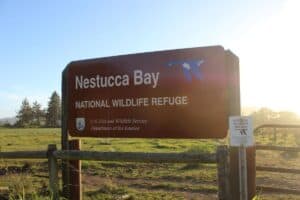
Nestucca Bay National Wildlife Refuge protects a diverse mosaic of coastal prairie, forest, estuary, and wetland habitats that provide essential homes for native birds, mammals, pollinators and countless other species. The refuge is also home to one of Oregon’s reintroduced populations of the federally threatened Oregon silverspot butterfly. The butterfly depends on healthy coastal prairie habitat and the native early blue violet, its sole larval host plant, for survival. This guided walk offers an opportunity to explore the refuge while learning how native plants play a vital role in conserving wildlife and preserving Oregon’s unique coastal landscapes.
For more information, contact Jessica Ramirez at jessica_ramirez@fws.gov.
 The mission of the U.S. Fish and Wildlife Service is working with others to conserve, protect and enhance fish, wildlife, plants and their habitats for the continuing benefit of the American people. We are both a leader and trusted partner in fish and wildlife conservation, known for our scientific excellence, stewardship of lands and natural resources, dedicated professionals and commitment to public service. For more information on our work and the people who make it happen, visit fws.gov.
