








By Leanna Coy, FNP-BC
Doug used to relax with a beer or two after work. He felt the alcohol helped him unwind and relax. Over the years, the amount he drank began to creep up. When his doctor told him labs were showing signs of chronic alcohol use, he knew he had to stop. But he felt restless and did not sleep as well, so he began smoking marijuana nightly to help him sleep. Doug is not alone in swapping alcohol for cannabis.
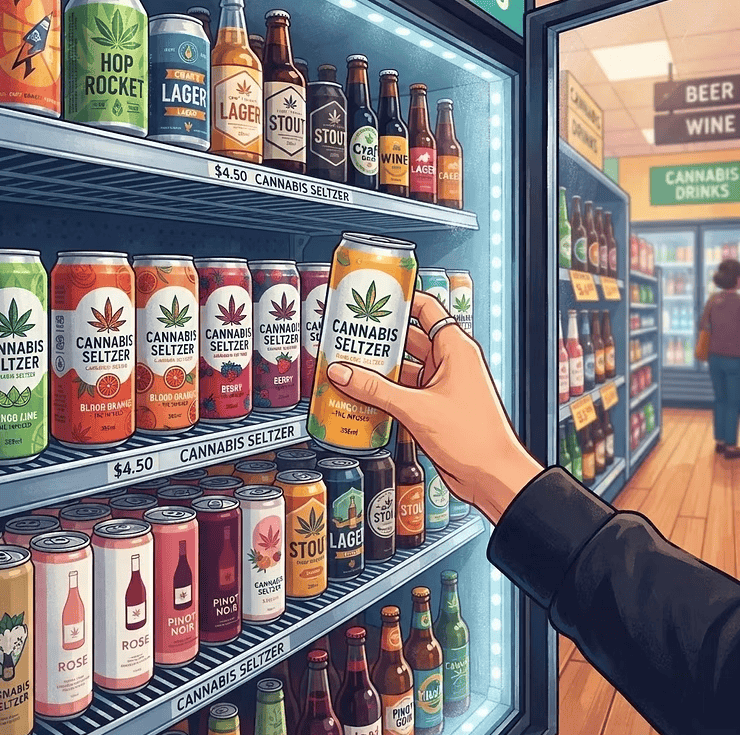
During the COVID pandemic, alcohol use was abundant and excessive for many. Now, drinking in the US is hitting record lows as more Americans choose cannabis as an alternative. For the first time, daily cannabis use exceeds daily alcohol use. Some people may see cannabis as a healthier alternative, but regular use can increase the risk for health issues, such as a stroke or lung disease.
The Numbers Swap
During the pandemic, alcohol use spiked, especially among 35- to 50-year-olds. Once the lockdowns ended, use didn’t drop back to prior levels. It tanked to all-time lows. This includes binge drinking. In contrast, cannabis use has risen.
Since 2012, daily cannabis use has been more common than daily alcohol use in adults. The 2026 update of the ongoing Monitoring the Future study found that daily cannabis use among adults in the US has doubled over the last 10 years. During that same time, alcohol use dropped by 24% in adults 35-50 years old and by 50% in 19- to 30-year-olds. Daily cannabis use runs the risk of the user developing cannabis use disorder (CUD), which is linked to greater health concerns.
The Reality of Cannabis Addiction
Cannabis is the third most commonly used psychoactive substance after alcohol and tobacco. Psychoactive substances interact with the brain and nervous system and can cause changes to mood, cognition, and behavior. The cannabis available today is much more potent than in the past. This is especially true for highly concentrated forms of legal cannabis known as resin, which contains up to 90% tetrahydrocannabinol (THC). Nora Volkow, a researcher with the National Institute on Drug Abuse, compared older cannabis to what is available today as like comparing Bud Light to Everclear. The higher-potency cannabis increases the risk for someone to experience CUB.
A problem commonly seen with CUD is cannabinoid hyperemesis syndrome. When this occurs, the user experiences severe abdominal pain and excessive vomiting. Their symptoms can last up to 10 days. Between January 2023 and May 2026, there were nearly 200,000 emergency room visits for this syndrome.
Someone with CUD can have more psychosocial impairment due to a lack of control over their use. CUD is linked with increased suicidality and schizophrenia. Users often experience a lack of motivation, where they disengage and drop out of work or school. THC is the main psychotropic compound in the plant, and stronger cannabis products have a greater risk of psychosis. Lower levels of THC, below 10%, have not shown a strong relationship between psychosis and schizophrenia.
Cannabis and Your Health
Generally, cannabis is considered safer than using alcohol or nicotine. This may contribute to the increased popularity. However, it still carries risks, especially with longer-term use. Frequent cannabis use affects the body’s “fight or flight” system, which can trigger blood pressure swings and make the blood more likely to clot. Both issues can lead to a heart attack or stroke.
Older adults are turning to cannabis to help with sleep, chronic pain, and anxiety, but they may have the greatest risks. There is no agreed-upon consensus on the effectiveness of cannabis for treating many conditions, so they are often randomly selecting products to use. This can also cause problems when the older adults aren’t aware of how much more potent cannabis products are today compared to the past. They also frequently begin using cannabis before getting advice on medication interactions and risks from their health care providers. Often this is because they will choose to use cannabis even if their provider advises against it.
Cancer is also a growing concern. Multiple studies have found cannabis smoke and vapor, like tobacco smoke, contain toxic substances. The smoke and vapor can trigger changes in lung cells. These changes can affect the body’s immune response and increase the risk of developing lung, head, or neck cancer.
Rural Oregon:
In general, rural areas are reflecting a similar picture as urban areas: alcohol use is down, and cannabis use is up. However, the Substance Abuse and Mental Health Services Administration reports that substance use in rural areas is lower than in more urbanized areas. Tillamook County’s numbers are a bit different. Data from the Oregon Health Authority shows that overall alcohol use by adults in Tillamook County is 53.6%, lower than the statewide average of 54.9%. Cannabis use is 16.6% compared to the state average of 22.6%.
If you find yourself using cannabis frequently, consider the risks. Do you really know the potency of what you are using? Can it interact with other medications you are taking? Are you having symptoms of CUB? Like other substance use disorders, there is help available. Start by reaching out to your healthcare team to discuss your risks and ask for help.
| Cannabis | Young adults | Midlife adults | Adults (55 to 65) |
| General use | 31.3% in 2015 to 41.9% in 2025 | 15.9% in 2015 to 29.9% in 2025 | 21.3% |
| Daily use | 6.9% in 2015 to 11.8% in 2025 | 3.7% in 2015 to 8.5% in 2025 | 6.2% |
| Vaping | 18.9% in 2020 to 22.1% in 2025 | 8.1% in 2020 to 9.8% in 2025 | 4.2% |
| Edibles | 8.7% in 2015 to 19.2% in 2025 | 12% in 2020 to 15.6% in 2025 | 7.4% |
| Alcohol | Young adults | Midlife adults (35 to 50) | Adults (55 to 65) |
| General use | 67.7% in 2015 to 61.6% in 2025 | 67.9% in 2015 to 63.9% in 2025 | 63.9% |
| Daily use | 2015 5.3% to 2.7% in 2025 | 9.6% in 2015 to 7.3% in 2025 | 9.1% |
| Bingeing (5 or more in a row) | 31.4% in 2015 to 23.8% in 2025 | 25.4% in 2020 to 23.2% in 2025 | 18.7% |
