












By Leanna Coy, FNP-BC
The rain pounding the windshield hasn’t stopped for two weeks. The gray clouds make the short winter days feel even shorter. You drive by the holiday decorations going up around town with inflatable snowmen and colorful lights. It all looks cheerful, but you’re struggling to feel the joy. You think of the annual family gatherings and the list of gifts to buy, feeling a sense of dread. The holidays just aren’t wonderful this year.
Holiday stress is not new, but it is becoming more common, especially among younger adults. According to the American Psychiatric Association (APA) Healthy Minds Poll, one in five adults say the holidays negatively impact their mental health. The most common holiday-related concerns are missing someone or grieving, worries about affording gifts, family dynamics, and taking time off from work. The poll found that 44% of adults anticipated more holiday-related stress than in previous years – a 17% jump from the two prior years.
Rain, rain go away – the weather factor
For Oregonians on the coast, the short winter days and rain can compound holiday mental health issues. With under 9 hours of daylight, you won’t get the same natural mental boost you get during the longer summer days. Add the gray skies and unrelenting rain, and you may go days without that mental boost. For some, this can lead to seasonal affective disorder, or SAD.
SAD is depression caused specifically by changes to daylight. It can trigger symptoms of anxiety and depression. Some people may also feel physical discomfort such as headaches, digestive issues, or body aches. To help reduce symptoms, spend time outside every day, even on cloudy and rainy days.
Managing major pressure points
The holidays are a pressure cooker of pain points for many people, with common themes. Whether you are dealing with strained family relationships, missing a loved one, or trying to stretch finances, the holidays can bring up difficult emotions. A little planning can help you manage the points that trigger you most.
Grieving: The holiday season is traditionally a time to come together with others. When you are missing someone, the grief can hit hard this time of year when a loved one isn’t there. Because everyone grieves differently, this can happen whether you lost someone this year or twenty years ago. To help manage, make space for the person you’ve lost. Keep an empty chair, make their favorite recipe, or have a toast to them. Allow yourself to skip traditions that are too painful.
Family relationships: You may have just one hard family member to deal with or many. Whatever the situation, it makes gatherings difficult. Plan ahead by setting a time limit for how long you will stay. Plan your exit and have a friend you can text when you feel overwhelmed or need to vent.
Distance: Families can get stretched across the state or around the world. In our technology-heavy era, this is not the challenge families faced just a few decades ago. Schedule time for video calls with loved ones who aren’t local. Avoid isolation by looking for community meals, church or club events, or places to volunteer.
Money: In the current economic climate, finances are getting tougher for many people. Take the lead with family gift-giving. Suggest a homemade gift exchange, upcycling, a price limit, or a name draw instead of everyone buying gifts for the whole family. Set a firm budget for your shopping and avoid racking up high credit card debt.
When it’s more than stress
The typical holiday stress comes and goes around your triggers. According to psychiatrist Dr. Alfredo Soto, “Many people will develop fatigue, low energy, a desire to isolate, and some sadness.” But if you notice that your symptoms linger, you may have a bigger problem. “Time is usually the way to tell,” he says.
“If symptoms last more than a week and they start having difficulties sleeping well, either too much or not enough, that also lasts more than a week, then they should seek professional help.” For symptoms lasting more than two weeks, he recommends seeking not only a therapist, but also a provider who can evaluate the need for medication, “Because therapy may not be enough.”
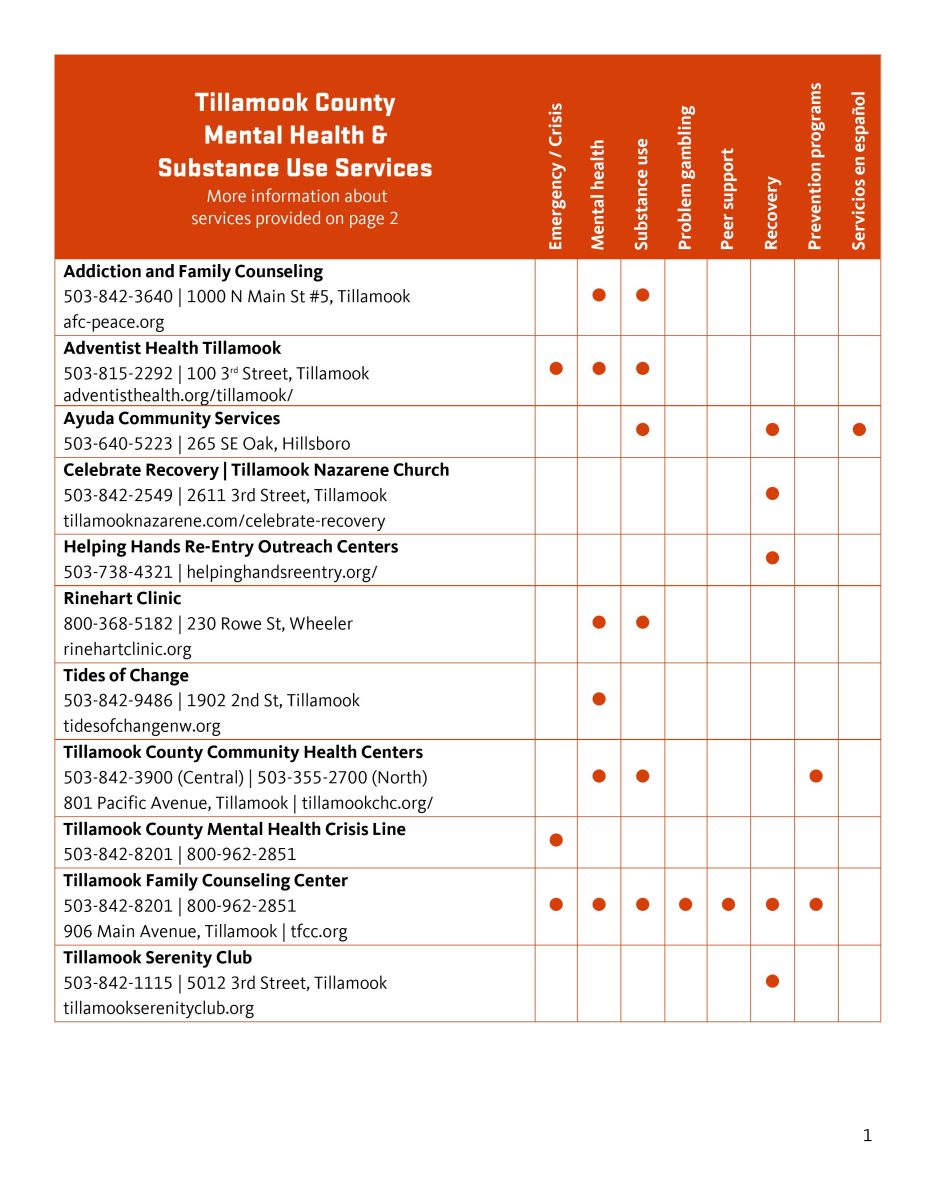
Mental health resources
988 Suicide & Crisis Lifeline: call or text 988, available 24 hours/7 days a week
Tillamook Family Counseling Center: 503-842-8201; 901 Main Ave, Tillamook
211Info: dial 211 for local food, housing, and mental health services
Emergency: 911
