To finally address this looming problem, the legislature in 2025 approved a compromise plan with five major components.
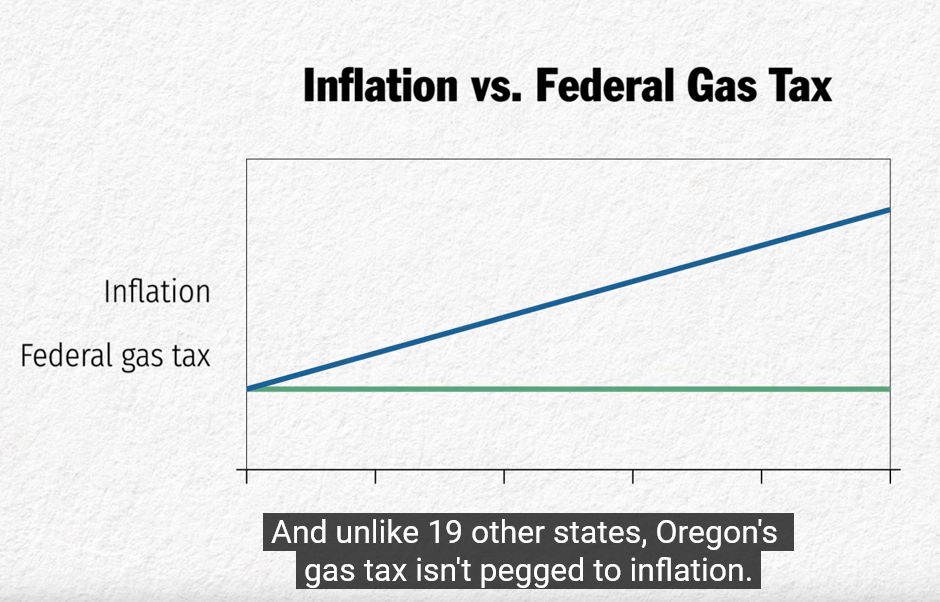
- A six-cent increase in gas taxes.
- An increase in registration and title fees together with an increase in payroll taxes.
- A plan to begin charging electric vehicles either with an annual fee or a per mile charge.
- Simplified taxes on trucks.
- A number of mandated accountability measures at the Department of Transportation (ODOT).
Within weeks, Oregonians submitted signatures to refer parts of this plan to the voters. The vote next week will include the gas tax increase and the fee and payroll tax increase. It will not include the increase for electric vehicles. If I drove an EV, I’d be cranky about that.
I hear a lot about accountability. Clearly, there is a need to increase transparency and accountability, reduce convoluted layers of bureaucracy, and give Oregonians confidence the money they pay for roads is spent well. Among other steps, the legislature now requires regular independent audits of ODOT and annual financial reviews, and determined that the Director be appointed by the Governor rather than the Transportation Commission.
Nearly 20% of ODOT staff have retired or resigned because of the uncertainty and increased workload on those left. With the measure referred to voters, any tax increases were put on hold. And as a result, we had to completely rebalance the ODOT budget in the short 2026 session.
I was asked to help lead the effort, using vacancies at the Oregon Department of Transportation and federal funding to cover around half of the $300 million hole. For the rest, we reduced or delayed programs that make roads safe for kids near schools. We reduced support for rural economies by cutting freight rail projects and support for ports. We deferred vehicle electrification programs. And something that really hurt, we delayed work on dozens of small bridges that needed repair, were aging out, or were seismically vulnerable.
Those were not changes anyone wanted. But without money, the budget had to be cut. And even with those changes, the experts say residents should expect threadbare services. Case in point, the Lincoln City DMV office is closed for lack of staffing, leaving the closest services 40 miles away.
Budget cuts that have balanced ODOT right now cannot work for us long term. Declining to fix bridges will work for a year. It won’t work forever and will cost a lot more when we finally get it done.
The consequences are that with reduced staff, we hinder our ability to fill potholes, plow snow, paint fog lines, respond to accidents, or clear whatever debris mother nature dumps on our roadways. That is the very real effect on our quality of life, rural economies, and personal safety.
A yes vote keeps the taxes; a no vote sends us back to the drawing board. If you think we can have safe roads for the price of a candy bar each month, vote yes. If you think the tax is too much or a bad idea, vote against it. I just want to have an honest conversation about the costs and consequences. Telling folks they are facing $4 billion in new taxes isn’t honest.
Interestingly, the two leading counter proposals are to eliminate gas taxes and charge everyone annually by the miles driven (when rural drivers are forced to drive more), or to bill you based on the size and weight of your vehicle (regardless of how far you drive).
Honestly, I’m not sure Oregonians are ready for a big annual bill for cars that looks like their big annual bill for property taxes. |