



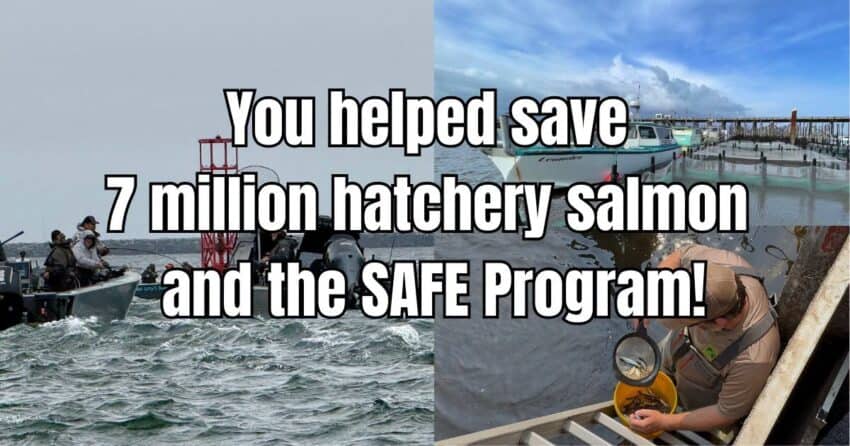
Alongside Oregon’s fishing communities, state pressed BPA to reconsider decision that put 7 million salmon and Oregon fishing communities at risk
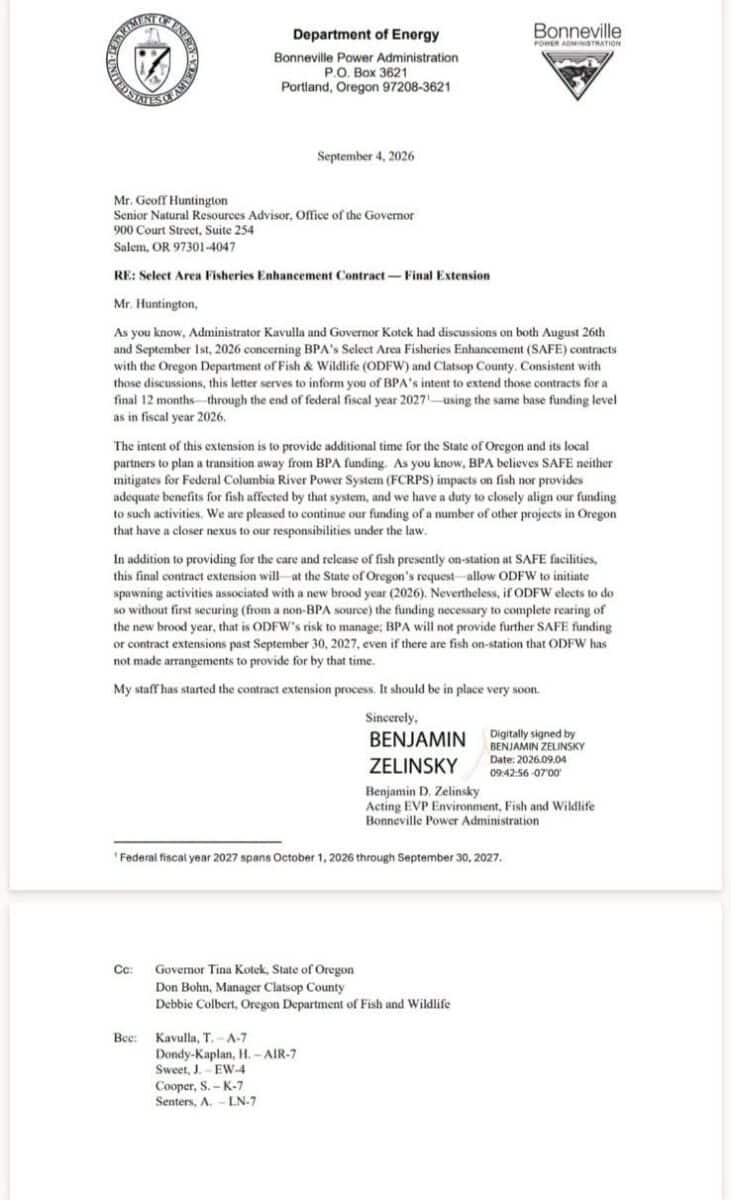
The Bonneville Power Administration has reversed its decision. They will not end funding for the SAFE hatchery salmon program on Oct. 1. BPA will continue to fund the program for one year.
That means the 7 million hatchery salmon in production are no longer at risk and can be released as planned next year. A few years from now, recreational anglers and commercial fishermen will be catching those salmon.
We appreciate the BPA Administrator’s willingness to listen and reconsider the decision. This one-year reprieve gives us time to keep working toward a long-term solution.
ODFW Director Debbie Colbert had this to say: “This was an all-hands-on-deck situation for everyone who loves salmon and fishing. I am grateful to the Governor, our Congressional delegation and state legislators for their help in getting this decision reversed. I continue to be blown away by the passion of Oregon’s fishing community and could not be more grateful for their advocacy.”
Thanks to Association of Northwest Steelheaders, Coastal Conservation Association Oregon, Keep America Fishing, Englund Marine & Industrial Supply and everyone who contacted BPA.
Salem, OR – On Friday September 4, 2026, Governor Tina Kotek and Oregon Dept. of Fish & Wildlife announced that after discussions with Bonneville Power Administration (BPA) Administrator Travis Kavulla, the federal agency will reverse its decision to immediately end funding for the Select Area Fisheries Enhancement (SAFE) Program and provide funding for the program for one additional federal fiscal year.
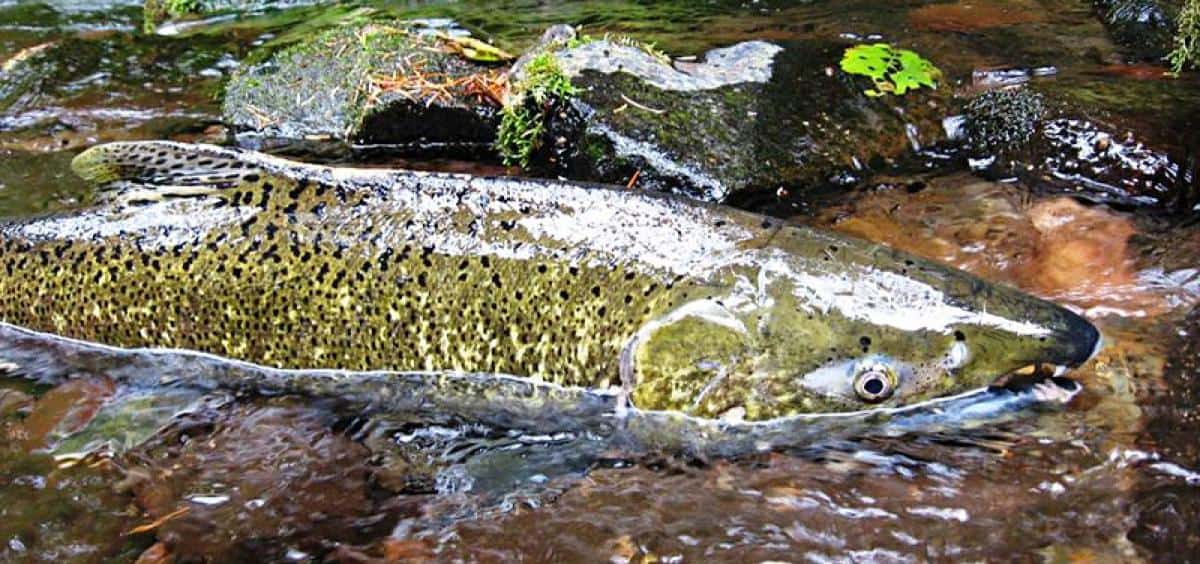
The SAFE program raises millions of salmon each year that support recreational and commercial fisheries in the Lower Columbia River, including the popular Buoy 10 fishery near Astoria. BPA’s unexpected decision in June to end SAFE funding threatened more than 7 million salmon already in production and created an estimated $2.4 million funding gap for the three partners that operate the program: Oregon Department of Fish and Wildlife (ODFW), Washington Department of Fish and Wildlife, and Clatsop County.
“Salmon are central to the economic health of our coastal communities and to long-held fishing traditions of the Columbia River and our coast,” said Governor Kotek. “When I heard that a federal funding decision could put millions of salmon and fishing opportunities at risk, resulting in economic harm to Oregon communities, I knew we needed to act. I appreciate Administrator Kavulla’s willingness to listen and change course. This one-year reprieve gives us time to keep working toward a long-term solution.”
Governor Kotek met with new BPA Administrator Kavulla last week and again earlier this week to urge him to reconsider the decision to end funding for the SAFE program.
The reversal follows significant advocacy from the State of Oregon, Oregon’s Congressional delegation, members of the Oregon Legislature’s Coastal Caucus, recreational anglers, commercial fishermen, and communities across the region.
“This was an all-hands-on-deck situation for everyone who loves salmon and fishing,” said ODFW Director Debbie Colbert. “I am grateful to the Governor, our Congressional delegation and state legislators for their help in getting this decision reversed. I continue to be blown away by the passion of Oregon’s fishing community and could not be more grateful for their advocacy.”
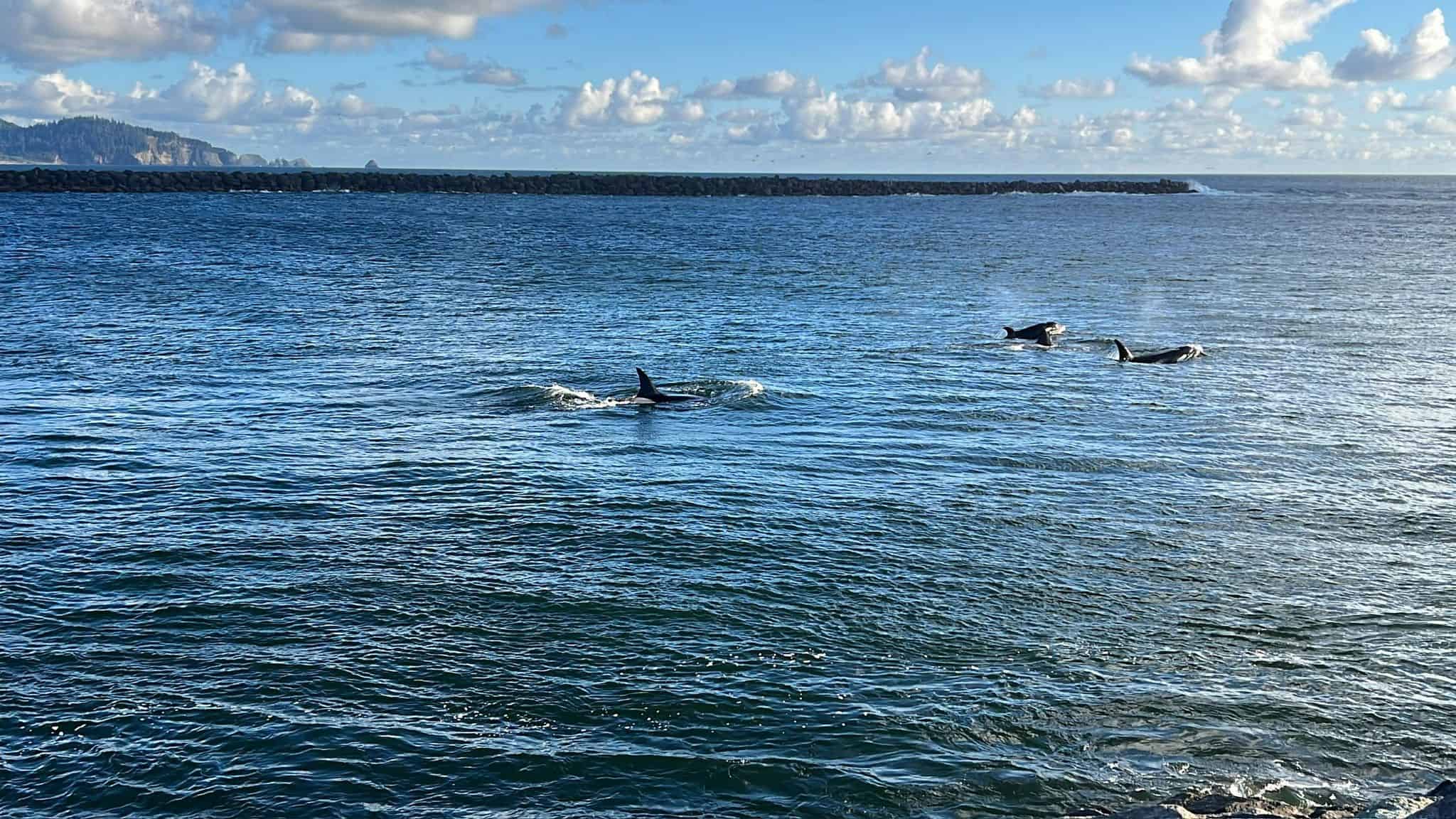
The SAFE program has operated for more than 30 years, producing about 9 million salmon annually to support Oregon’s commercial and recreational fisheries. Nearly 35 percent of SAFE-produced spring Chinook and coho are caught by recreational anglers, while an estimated 99 percent of spring Chinook harvested in non-treaty commercial fisheries comes from the program. SAFE also reduces pressure on wild salmon and provides an important food source for endangered southern resident killer whales.
BPA’s June decision to end funding put 7 million salmon already in production at risk and threatened fishing opportunities across the Lower Columbia. Historically, 10 to 15 million salmon migrated through the Columbia Basin each year, and today, that number is about 2 million.
The one-year funding extension will allow the program to continue while state and regional partners work toward a longer-term solution.