


By Scott Gordon, Friend of Tillamook Bay
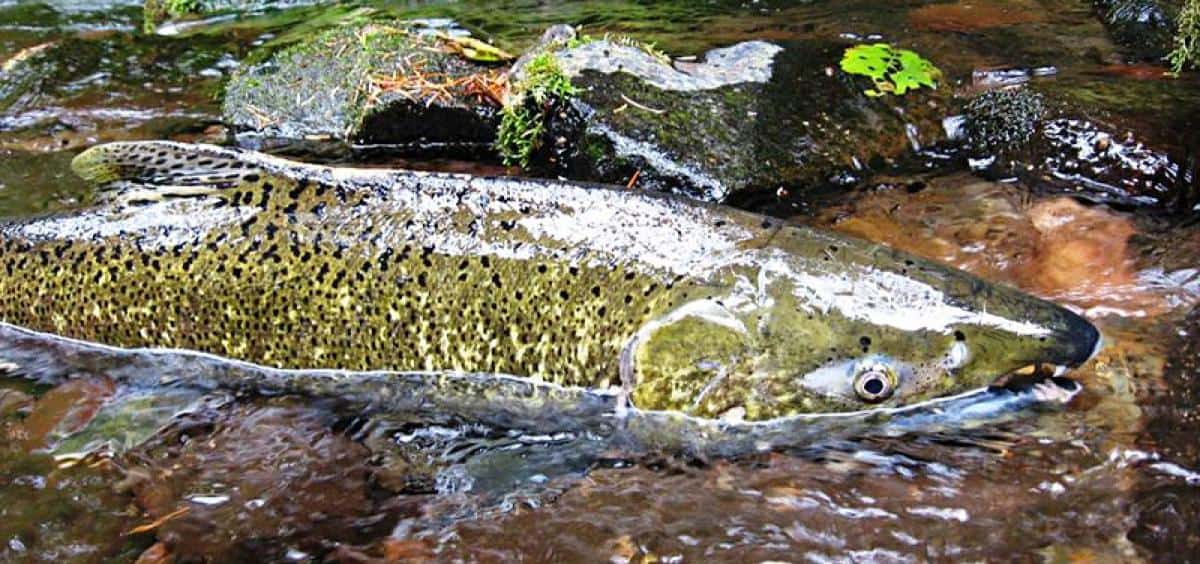
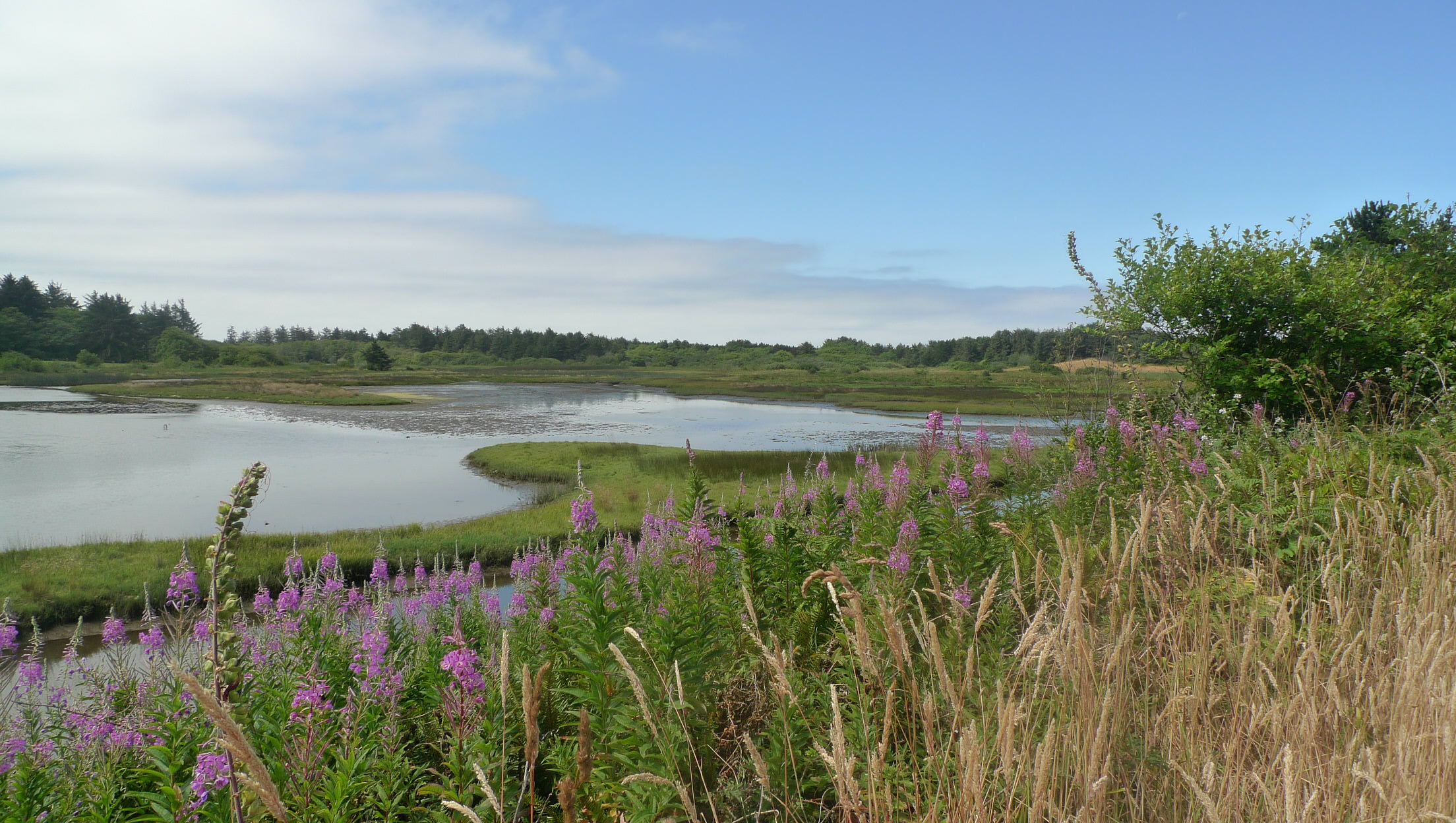
When young salmon and steelhead leave the five rivers that feed Tillamook Bay, they do not simply sprint from freshwater to the Pacific. They pause, feed, and adapt in the estuary. That transition zone is one of the most dangerous periods of their lives. Small fish moving through open water are easy targets for birds, larger fish, and other predators. Eelgrass in the estuary improves the odds of survival. It creates the kind of structured, protected environment young fish need. In plain English, eelgrass is cover. It breaks up sight-lines for predators. It gives juvenile salmon and steelhead places to hide, rest, and feed while their bodies adjust from river water to saltwater.
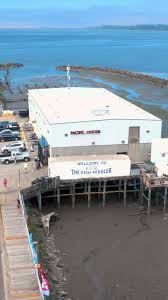
That is why the recent sighting of Pacific Seafood’s boats dredging in Tillamook Bay should alarm anyone who cares about wild fish. If mechanized oyster cultivation is uprooting or degrading eelgrass beds, it is not just tearing up plants. It is stripping away protective habitat for young salmon and steelhead migrating from Tillamook Bay’s rivers toward the ocean. The degradation of estuary habitat weakens these already stressed fish populations.
Pacific Seafood’s legal history only deepens the concern. A pending Clean Water Act fight over Tillamook Bay oyster operations has been publicly described by the Northwest Environmental Defense Center, which says Pacific’s mechanical harvesting requires federal permits and alleges the company has avoided those requirements while dredging and redepositing material in the bay for over a decade. More broadly, Pacific Seafood has faced environmental enforcement and lawsuits before. In April, the Oregon Department of Environmental Quality imposed its second largest penalty
ever, a whopping $2.9 million, on a Pacific Seafood processing facility in Charleston, near Coos Bay, for the companies failure to install a water treatment system at that facility.
The company has also been accused in multiple antitrust suits of price fixing,monopolizing West Coast seafood markets, and using its power to squeeze fishermen; courts and legal news reports show these claims have been actively litigated in recent years. Separate recent reporting has also highlighted allegations that Pacific underpaid harvesters through false weight and quality records.
Tillamook Bay should not be sacrificed for a mechanized method of raising oysters when less destructive alternatives exist. If we value salmon, steelhead, eelgrass, and the public trust, we need our legislators to act now. Please contact your state and federal representatives and demand an end to mechanized oyster cultivation methods that damage eelgrass habitat. There are other ways to grow oysters. There is no substitute for a living estuary.
