





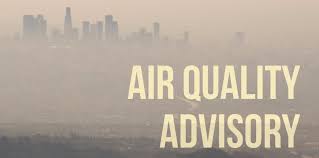
EDITOR’S NOTE: The winds have changed, and air quality is improving in most areas of the state, but extended now for most of central and eastern Oregon; and a smog advisory for today, Friday, August 7th in the Portland Metro, Salem and Hermiston areas.
Aug. 7, 2026
QUICK FACTS
Location: Baker, Crook, eastern Douglas, Grant, Harney, Hood River, Jackson, Jefferson, Klamath, Malheur, Umatilla, Union, Wallowa, Wasco, and Wheeler counties
End date: Until at least Monday afternoon
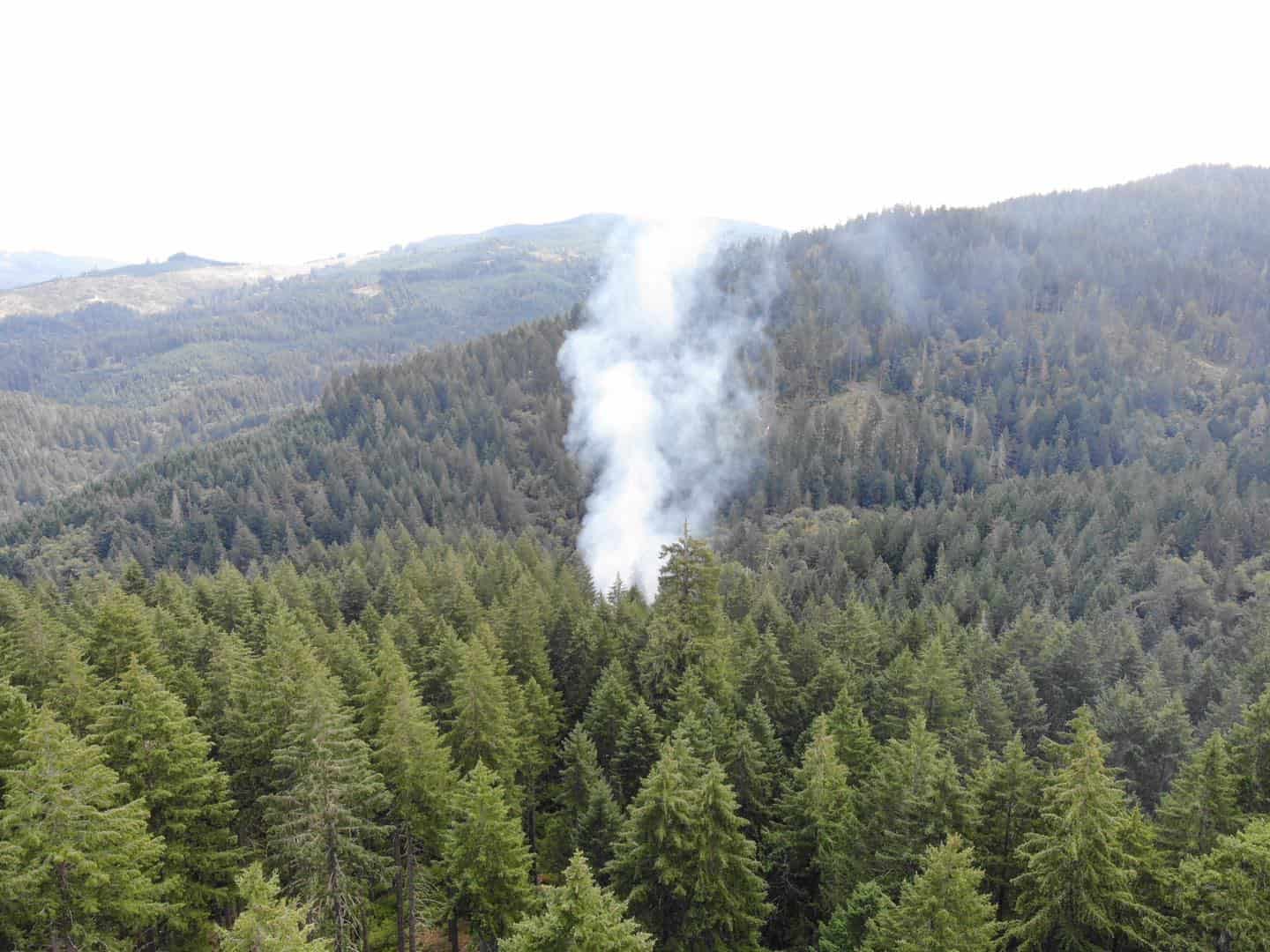
Smoke source: Multiple wildfires in Oregon and Washington
** Versión en español estará disponible próximamente en oregonhumo.org **
The Oregon Department of Environmental Quality issued an air quality advisory Friday, Aug. 7, 2026, due to smoke from multiple wildfires in Oregon and Washington for the following counties:
- Baker
- Crook
- eastern Douglas
- Grant
- Harney
- Hood River
- Jackson
- Jefferson
- Klamath
- Malheur
- Umatilla
- Union
- Wallowa
- Wasco
- Wheeler
The agencies expect the air quality advisory to last until at least Monday afternoon. DEQ and partner agencies will continue to monitor smoke.
DEQ expects intermittent smoke in Deschutes County until Saturday afternoon and intermittent smoke in Gilliam, Josephine, Lake, and Sherman counties until at least Monday afternoon.
DEQ also issued an air quality advisory Friday for ozone, or smog, for the Portland metro area, Salem, and Hermiston until 6 p.m. Friday.
The Washington Southwest Clean Air Agency also extended a smoke and ozone air quality advisory on Wednesday until 6 p.m. Friday due to smoke and smog in the Vancouver metro area (Clark County).
Smoke levels can change rapidly depending on weather. Check current conditions on the Oregon Smoke Information Blog, DEQ’s Air Quality Index, or by downloading the free OregonAIR app on your smartphone.
Smoke can irritate the eyes and lungs and worsen some medical conditions. People most at risk include infants and young children, people with heart or lung disease, older adults and pregnant people.
Protect yourself and your family when smoke levels are high:
- Stay inside if possible. Keep windows and doors closed. If it’s too hot, run air conditioning on recirculate or consider moving to a cooler location.
- Avoid strenuous outdoor activity.
- Use high-efficiency particulate air (HEPA) filters in indoor ventilation systems or portable air purifiers. Or create your own air purifying filter by following these instructions.
- Be aware of smoke in your area and avoid places with the highest levels.
- When air quality improves to moderate or healthy (yellow or green on the Air Quality Index), open windows and doors to air out homes and businesses.
- If you have a breathing plan for a medical condition, be sure to follow it and keep any needed medications refilled.
Cloth, dust and surgical masks don’t protect from the harmful particles in smoke. N95 or P100 respirators approved by NIOSH may offer protection, but they must be properly selected and worn. Select a NIOSH-approved respirator with a N, R or P alongside the number 95, 99 or 100. Learn how to put on and use a respirator. Respirators won’t work for children as they don’t come in children’s sizes. People with heart or lung conditions should consult their health care provider before wearing a respirator.
Additional resources:
- Find a cleaner air space in your area: Visit 211.org and search for “Wildfire Related Clean Air Shelters.” Or call 211 during business hours (8 a.m.-6 p.m. Monday–Friday)
- Learn more about protecting your health during wildfires
