




After more than a decade of community advocacy, planning, and partnership-building, the City of Rockaway Beach is on track to own the lower half of the watershed that supplies its drinking water.
In April 2026 the city signed a contingent purchase agreement for 800 acres of forestland from Nuveen Natural Capital, including roughly 600 acres in the lower Jetty Creek watershed. The $4.35 million purchase is expected to close by the end of the year. The deal is structured so water rates will not increase.
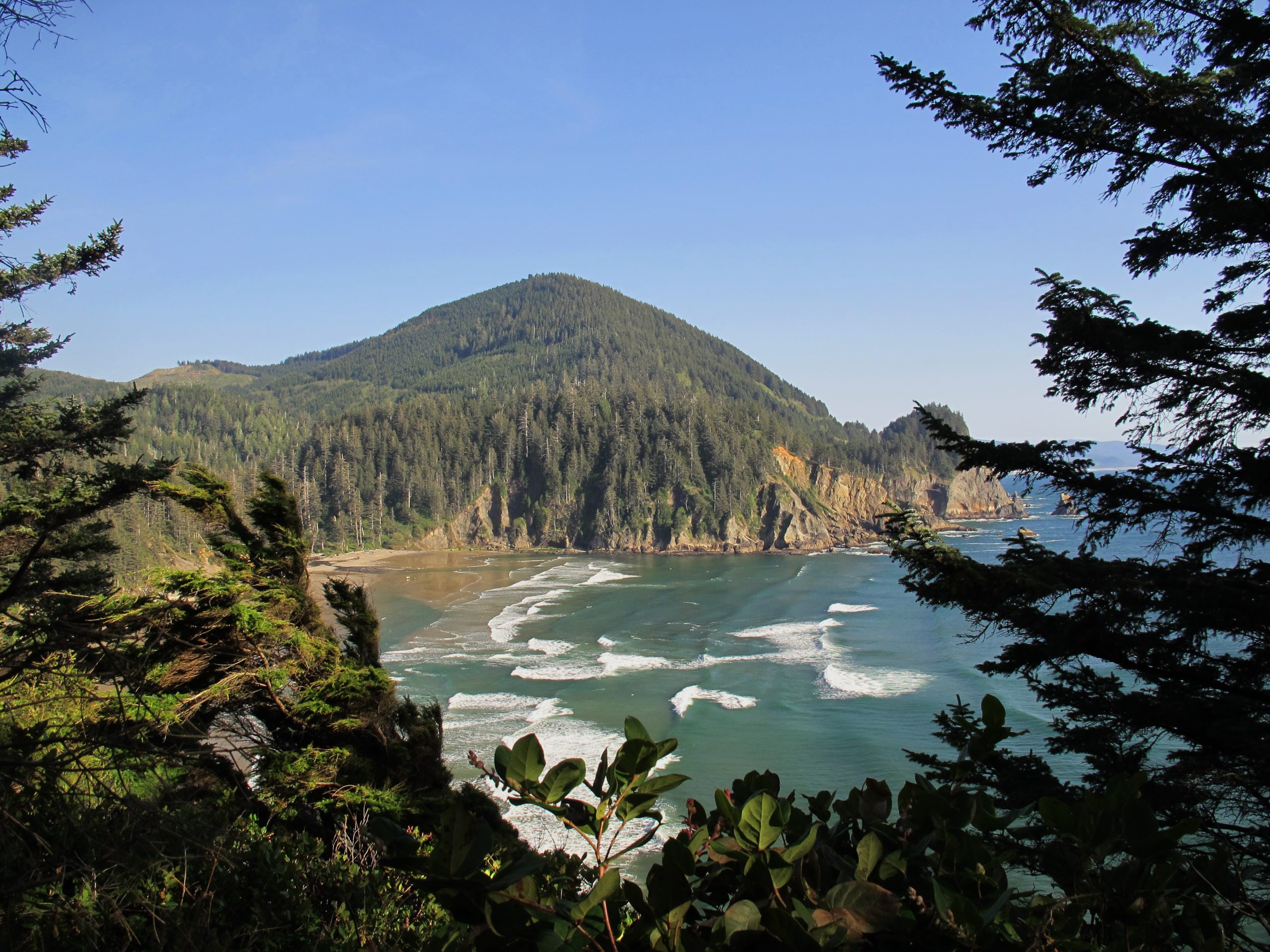
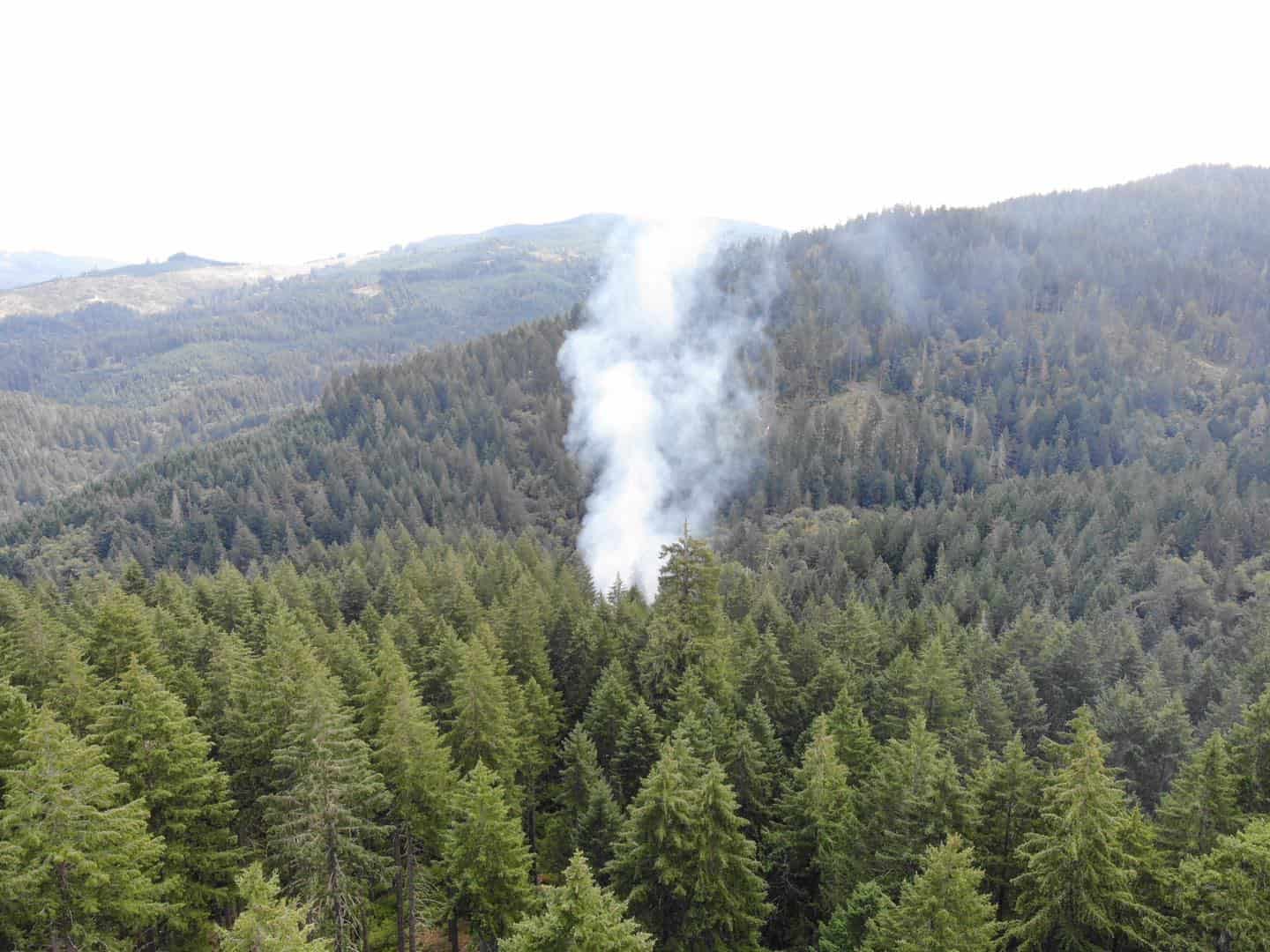
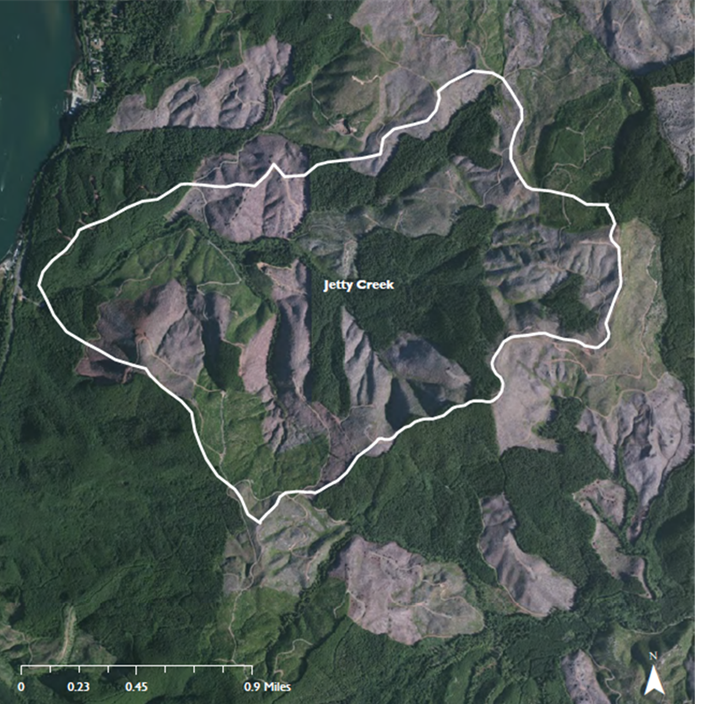
Jetty Creek has been Rockaway Beach’s primary drinking-water source for generations. The full watershed covers about 1,300 acres of forested land three miles north of the city. For many years it was managed primarily for timber production by private owners. Extensive harvesting over the past two decades reduced forest canopy dramatically and raised concerns about water quality and long-term reliability.
In 2012, local residents formed North Coast Communities for Watershed Protection (NCCWP) in direct response to clearcutting and aerial spraying in the watershed. The grassroots group spent years educating the public, pressing for reduced spraying, and advocating for stronger protections. Their work helped keep the issue in front of city leaders and the broader community.
As water-quality challenges mounted, the city invested in treatment upgrades, including a pressurized sand filtration system completed around 2014. Water rates rose substantially during that period to cover the new infrastructure. City officials and residents increasingly concluded that the most reliable long-term solution was to control the land itself rather than continue treating the symptoms of upstream management.
In recent years the city formalized the effort. Advisory committees completed a Source Water Protection Plan and a Forest Stewardship Plan specifically to support acquisition and future management of the lower watershed. The city also earned dual recognition from the state: a Drinking Water Source Protection Award from the Department of Environmental Quality (one of only 15 in Oregon) and Outstanding Performer status from the Oregon Health Authority. Rockaway is one of only a handful of cities to hold both designations at the same time.
Funding came together through a package of state resources. The Oregon Watershed Enhancement Board’s Drinking Water Source Protection Program provided roughly $1.25–1.4 million. Additional support arrived through DEQ loan forgiveness and a long-term low-interest loan. City financial planning shows the acquisition can be completed without raising water rates over the life of the loan.
Key partners in the multi-year effort include the North Coast Land Conservancy, Sustainable Northwest, Nuveen Natural Capital, city staff and elected officials, and community members who served on the planning committees. NCCWP’s earlier advocacy helped create the public support that made the formal acquisition possible.
The 800-acre package includes the critical lower portion of the Jetty Creek watershed that contains the city’s intake, plus about 200 adjacent acres. Once the sale closes, the city will manage the land primarily for drinking-water protection, with additional opportunities for habitat improvement and limited recreation on portions outside the core watershed.
The upper watershed remains under Stimson Lumber ownership. The city has worked with Stimson on agreements for mechanical brushing of roads instead of pesticide spraying, reducing chemical use upstream of the intake.
City officials have described the acquisition as a “huge win” that secures a more reliable, affordable water supply for residents and visitors while avoiding the much higher cost of developing an entirely new source. It also aligns with the community’s stated top priority in recent strategic planning.
Closing is still subject to final due diligence and funding steps, but the major pieces are now in place. If the transaction is completed as expected by the end of 2026, Rockaway Beach will move from depending on privately managed timberland to owning and stewarding the lower watershed that feeds its taps.
For a coastal city whose population swells dramatically in summer and whose year-round residents are aging, control of the drinking-water source represents a foundational investment in long-term resilience.
