



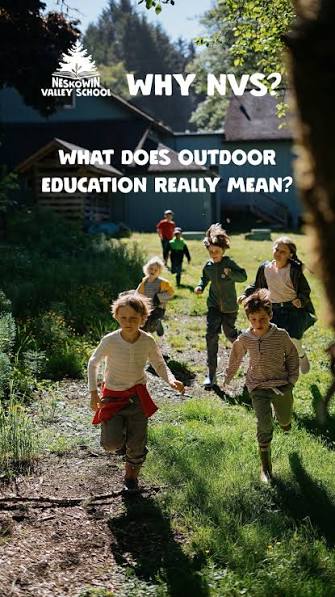
If you’ve heard the term outdoor education, you might picture children spending all day hiking through the woods or playing outside instead of learning math and reading. The reality is something quite different.
At Neskowin Valley School, outdoor education isn’t a replacement for academics; it’s a way of making academics more meaningful. Students still learn reading, writing, mathematics, science, and social studies through a rigorous curriculum. The difference is that learning is often brought to life through hands-on experiences that connect classroom concepts to the world around them.
So, what is outdoor education?
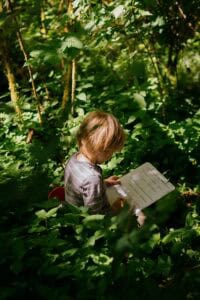 Outdoor education is an approach to learning that intentionally uses nature and the local environment as part of the classroom. Rather than separating academic subjects from real life, students experience them firsthand.
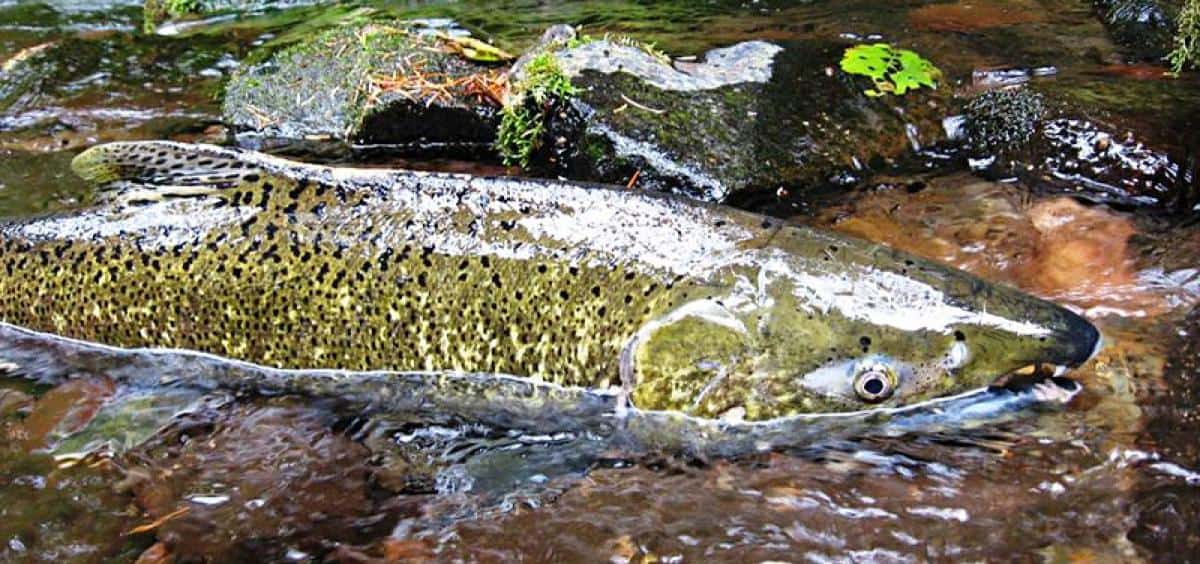
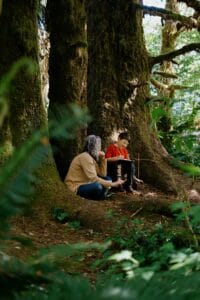
A science lesson might involve observing the seasonal changes in a nearby creek. A writing assignment could begin with students sitting quietly in the forest, recording observations in a nature journal. Math concepts become tangible as students measure garden beds, estimate distances, or collect and graph environmental data.
The goal isn’t simply to spend time outside. The goal is to create learning experiences that spark curiosity, deepen understanding, and help children make lasting connections between what they learn and the world they live in.
Does that mean students are outside all day?
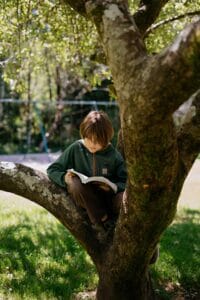
Students at Neskowin Valley School typically spend three to four hours outdoors every day, rain or shine, but that doesn’t mean they’re simply playing outside.
Outdoor learning is an intentional part of the school day. Formal instruction happens both indoors and outdoors, with lessons thoughtfully designed around the best environment for the learning at hand. A literacy lesson may begin beneath the trees, a science investigation might take students to the creek, or a math lesson could unfold in the garden or around campus using real-world observations and problem-solving.
Students aren’t expected to spend hours sitting at desks. Instead, learning is active, hands-on, and engaging. They move, explore, ask questions, collaborate with classmates, and apply academic concepts in meaningful ways throughout the day.
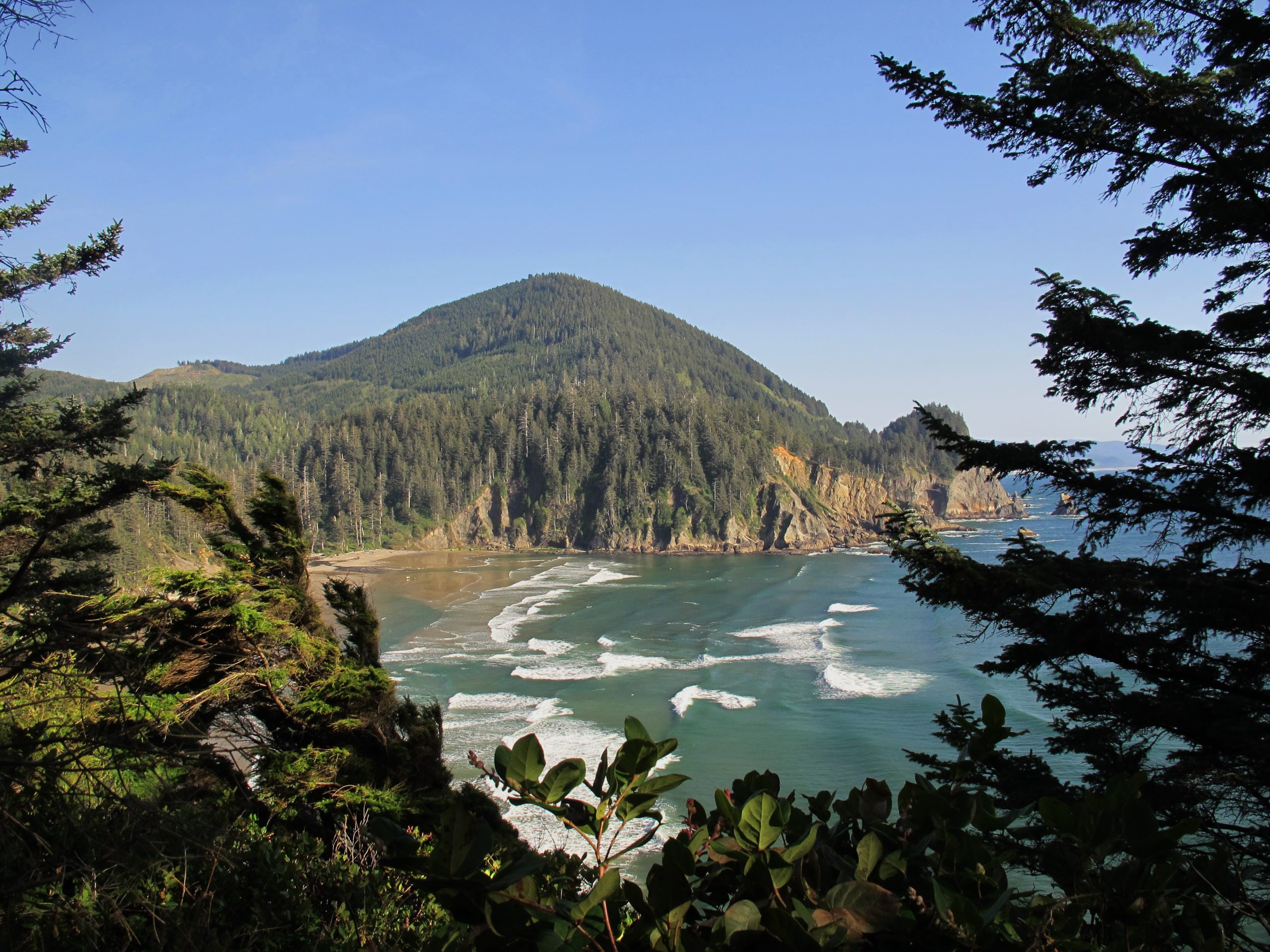
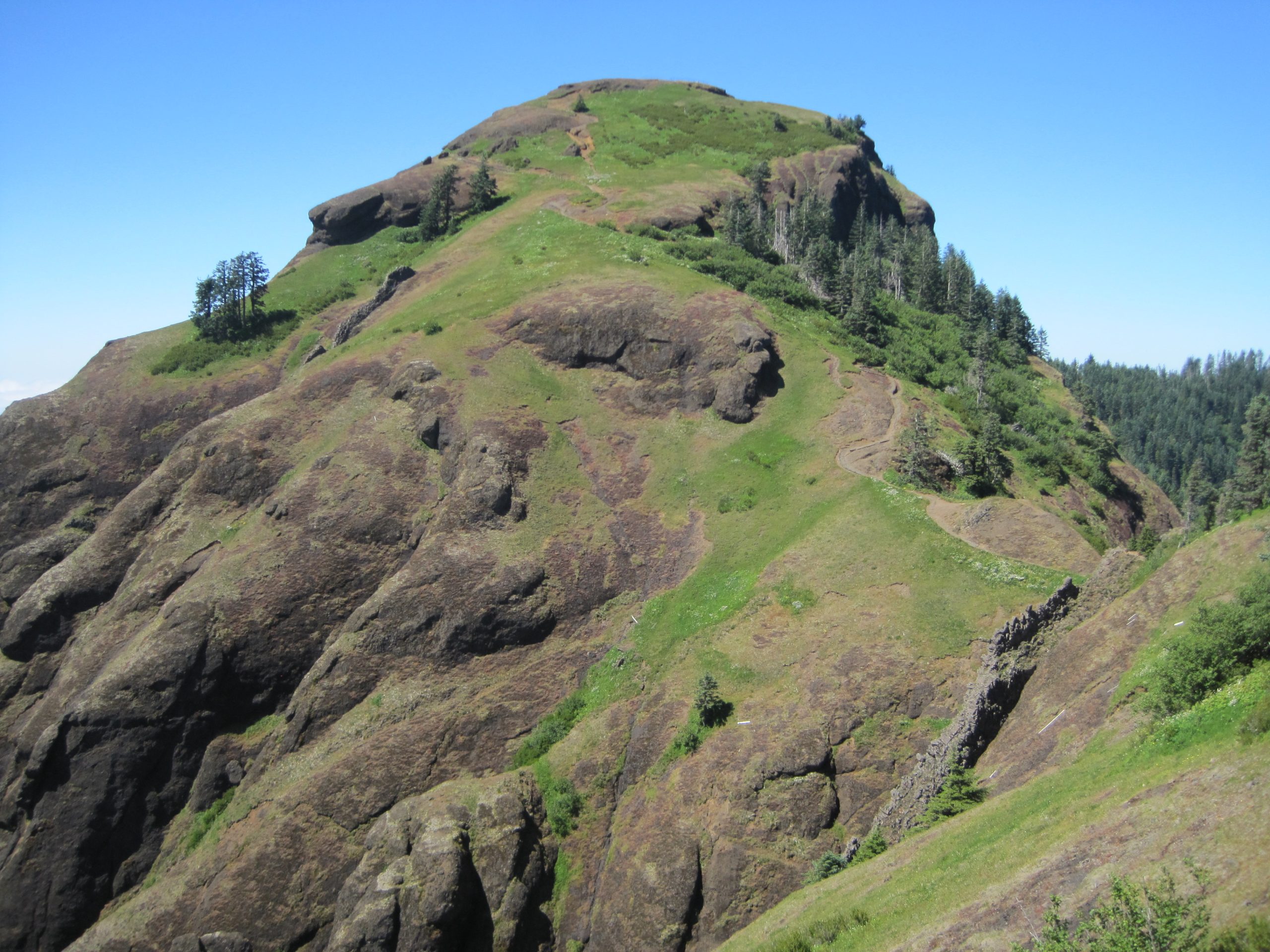
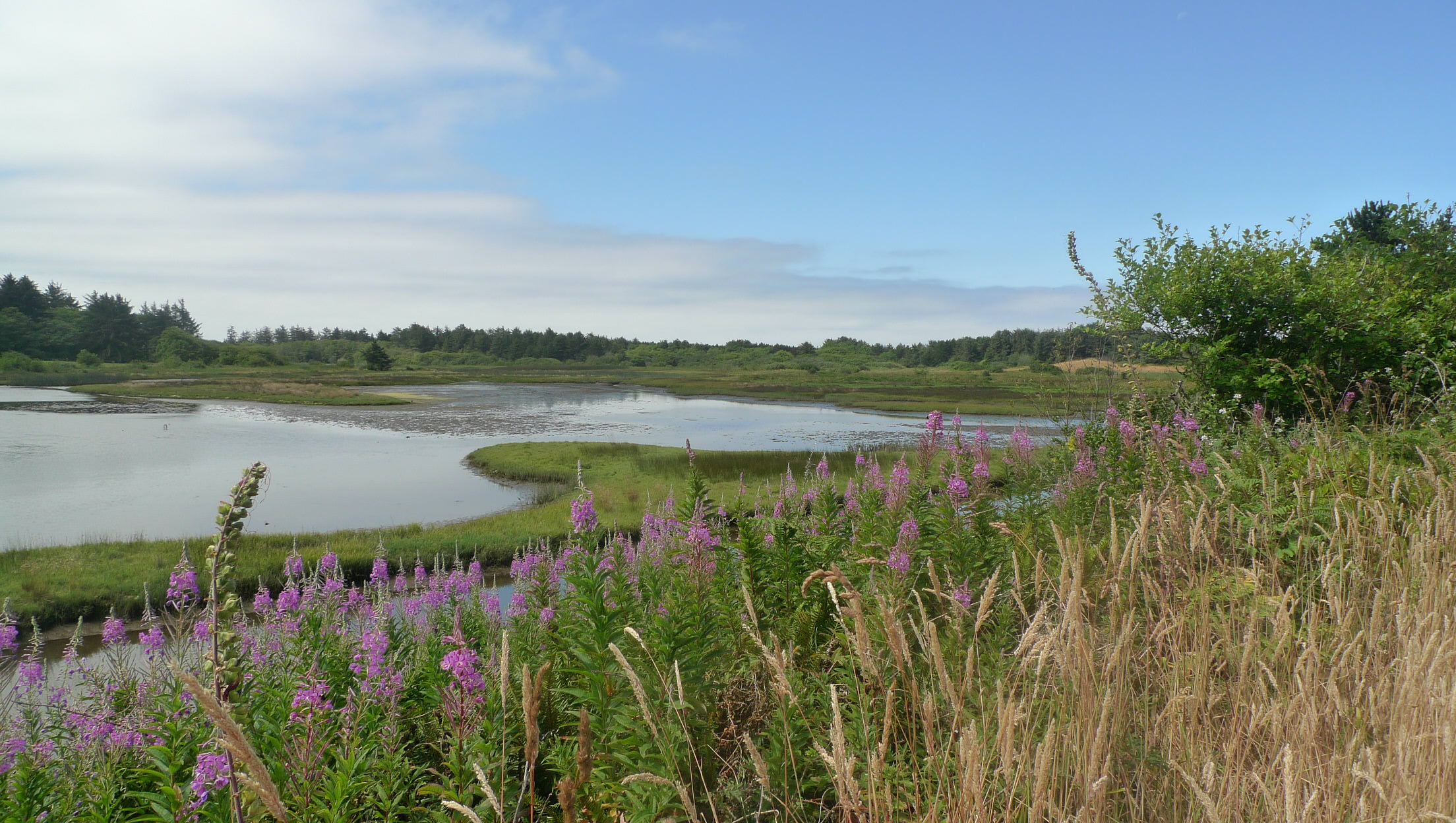
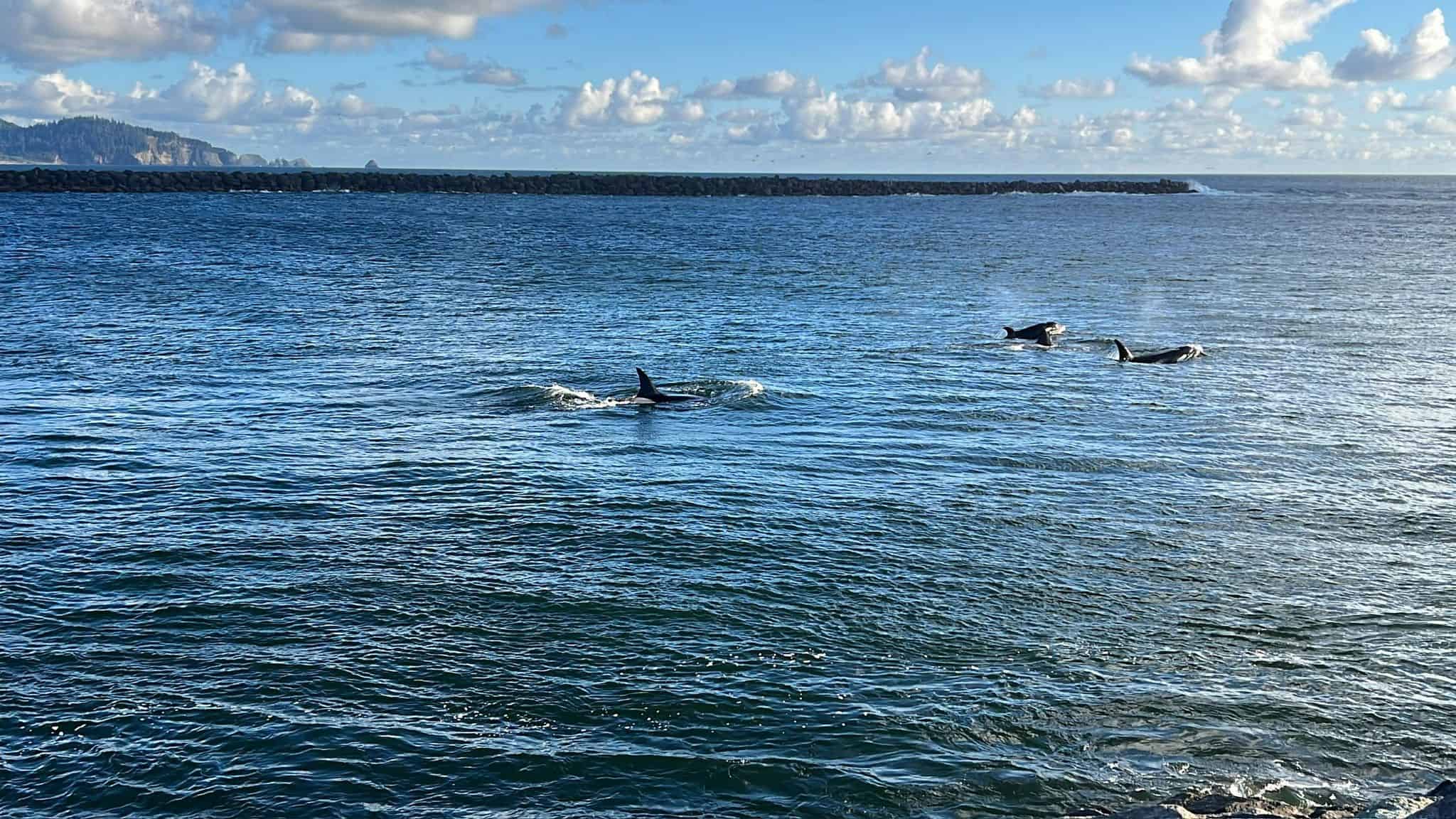
The result is a school experience where the classroom doesn’t end at the door. The campus and the surrounding forests, fields, beaches, and streams of the Oregon Coast become an extension of the learning environment, giving students countless opportunities to build strong academic skills while developing curiosity, resilience, confidence, and a lasting connection to the natural world.
 What does this look like for young children?
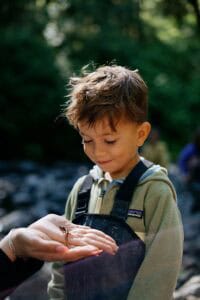
For PreK students, outdoor and play-based education provides endless opportunities for exploration, imaginative play, language development, and social-emotional growth.
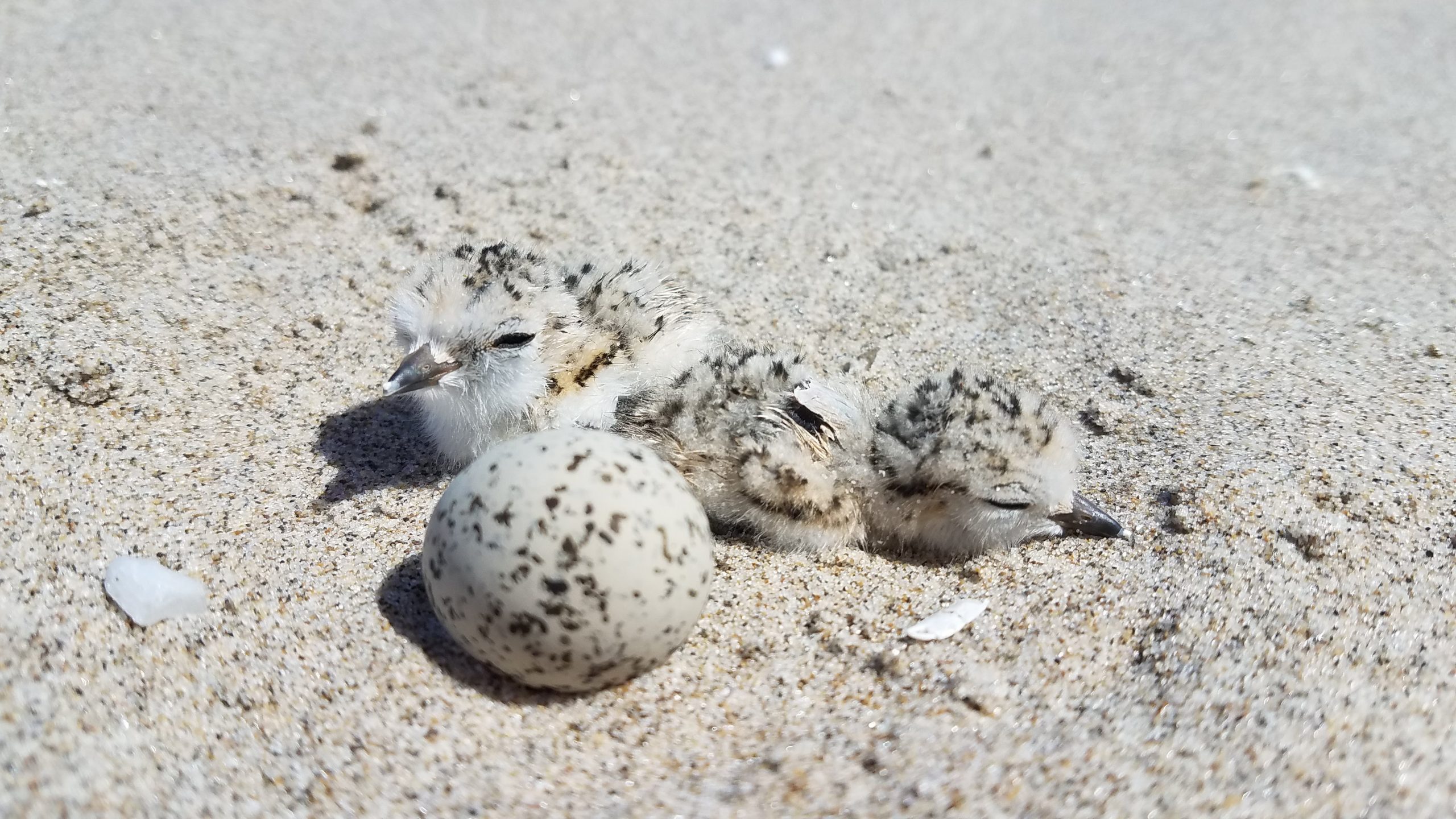
Young learners investigate insects, build with natural materials, ask questions, solve problems together, and develop the confidence that comes from discovering the world through all of their senses. Research consistently shows that children who spend meaningful time outdoors develop stronger attention spans, improved motor skills, greater resilience, and increased independence.
How does it change as students grow?
As students enter elementary school, outdoor learning becomes increasingly interdisciplinary. A lesson might combine science, writing, mathematics, and art into a single project. Students learn environmental stewardship by caring for gardens, studying local ecosystems, and developing an understanding of their role within their community and the natural world.
These experiences also build skills that are difficult to teach from a textbook alone, such as collaboration, leadership, perseverance, creativity, and critical thinking.
 What makes Neskowin Valley School unique?
For more than 54 years, Neskowin Valley School has served families on the Central Oregon Coast by combining academic excellence with experiential learning.
The school’s small, multi-age classrooms allow teachers to know each child as an individual while creating opportunities for older students to mentor younger classmates and for younger students to learn from positive role models. Students receive individualized attention while developing confidence, empathy, and a strong sense of community.
Beyond the school day, Neskowin Valley School also offers enrichment programs that extend opportunities for local homeschool families to explore new interests, build friendships, and continue learning through engaging, hands-on experiences.
“Is the school still doing well?”
It’s a question school leaders occasionally hear, and one they’re happy to answer.
Like many independent schools, Neskowin Valley School has experienced seasons of growth and seasons of challenge throughout its 54-year history. Those changes are a natural part of operating a small, mission-driven nonprofit school.
What has remained constant is the school’s commitment to providing an exceptional education for local children.
Today, Neskowin Valley School continues to serve students with strong academics, passionate educators, and a clear vision for the future. The school is strengthening its programs, expanding partnerships, investing in long-term sustainability, and working toward its goal of becoming a true community hub for families across the central Oregon Coast.
Looking Ahead
 As a new school year begins, Neskowin Valley School invites families to see outdoor education for themselves. By combining academic rigor with curiosity, exploration, and meaningful experiences in nature, students leave each day not only with stronger academic skills but with confidence, resilience, compassion, and a lasting connection to the place they call home.
To learn more about enrollment, enrichment programs, or upcoming community events, visit www.neskowinvalleyschool.com or contact Neskowin Valley School directly – located at 10005 Slab Creek Rd., Neskowin, call 503-392-3124, or email to info@neskowinvalleyschool.com.
