By Lewis Martin MS, RD, LD
The DASH (Dietary Approaches to Stop Hypertension) eating pattern isn’t a restrictive fad diet—it’s a well-researched, balanced approach to long-term wellness and healthy blood pressure.
You can boost your heart health by filling half your plate with colorful fruits and vegetables, swapping refined grains for fiber-rich whole grains, and prioritizing lean proteins and dairy. Reducing sodium gradually by flavoring with herbs and citrus, along with limiting highly processed foods, will help build lifelong habits.
The DASH (Dietary Approaches to Stop Hypertension) eating pattern is one of the most well-researched dietary approaches for supporting heart health and healthy blood pressure. Originally developed to help reduce hypertension, DASH has also been associated with improved overall diet quality, cardiovascular health, and long-term wellness. Rather than focusing on strict rules or eliminating entire food groups, DASH emphasizes balanced eating patterns built around nutrient-rich foods that naturally support healthy blood pressure and overall well-being.
Key DASH Diet Strategies
- Fill half your plate with fruits and vegetables
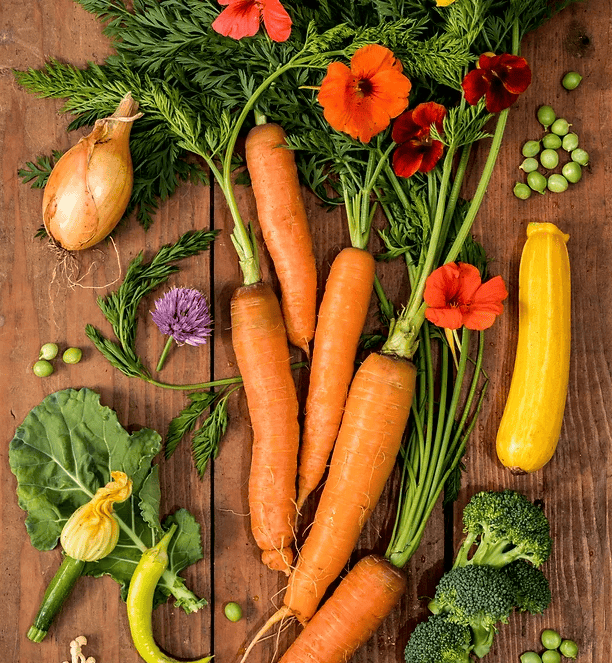
Fruits and vegetables are naturally rich in potassium, magnesium, fiber, and antioxidants—nutrients that play an important role in supporting healthy blood pressure and heart health. Aim to include a variety of colors throughout the day, such as leafy greens, berries, citrus fruits, carrots, tomatoes, broccoli, and sweet potatoes. Fresh, frozen, and low-sodium canned options can all fit into a DASH-style eating pattern.
- Choose whole grains more often
Whole grains provide fiber and important nutrients that help support heart health and satiety. Foods like oatmeal, brown rice, quinoa, whole wheat bread, whole grain pasta, and barley are excellent choices. Replacing refined grains with whole grains may also help support healthy cholesterol levels and improve overall diet quality.
- Include lean protein and dairy foods
DASH encourages a variety of lean protein sources such as fish, poultry, beans, lentils, nuts, and seeds. Dairy foods—including milk, yogurt, and cheese—also provide calcium, protein, and other nutrients important for cardiovascular health. Including balanced protein sources at meals and snacks may help promote fullness and stable energy throughout the day.
- Reduce sodium intake gradually
Many Americans consume more sodium than recommended, largely from restaurant meals, packaged foods, canned soups, sauces, and processed snacks. DASH encourages reducing sodium intake gradually to allow taste preferences to adjust over time. Preparing meals at home more often and flavoring foods with herbs, spices, garlic, citrus, or vinegar instead of excess salt can make meals both flavorful and heart healthy.
- Limit highly processed foods and added sugars
Highly processed foods and sugary beverages can contribute excess sodium, added sugars, and saturated fat to the diet. DASH encourages choosing more minimally processed foods when possible, such as fruits, vegetables, whole grains, lean proteins, nuts, and dairy foods. Swapping sugary drinks for water, sparkling water, or unsweetened beverages can also support overall wellness and hydration.
The DASH diet is not intended to be a restrictive or short-term eating plan. Instead, it offers a flexible and sustainable approach to healthy eating that can be adapted to many lifestyles, budgets, and cultural food preferences. Even small changes—such as adding an extra serving of vegetables at dinner or choosing whole grains more often—can help build long-term healthy habits that support heart health and overall wellness.
References