










By Janeane Krongos, Tillamook Family Counseling Center
Many people will take prescription medications at some point. When used as prescribed, these medications can be beneficial in treating medical conditions, maintaining body functions, controlling pain, and treating infections. However, the same medications that are helpful can be dangerous when misused, leading to addiction, poisoning, and overdose. A misuse of medication is anytime a person uses a medication in a way that differs from the instructions provided by the prescriber. Examples of medication misuse include: taking someone else’s medication, sharing medication, taking a higher or lower dosage than was prescribed, taking medication longer than required, taking expired prescription medication, mixing medication with alcohol, and taking the medication in a way that disregards safety instructions.
If you are reading this article and you are currently taking prescription medication, it is essential to have safe medication practices. Here are some safe medication practices that can keep you and those you care about safe:
- Become Knowledgeable about the Medications you are Taking: It is important to be knowledgeable about any medication you are prescribed. Some important information to be knowledgeable about are: reasons why you are taking the medication, possible side effects, dosage information, directions, food and beverages to avoid while taking the medication, and in some cases, a tapering off plan. You can learn about medication by asking your primary care provider, pharmacist, and by reading the manufactures instructions that accompany the prescription.
- Don’t Share Medication: Prescription medication is as unique as the person it is prescribed for. Before a primary care provider prescribes a prescription medication, they consider many factors including the person’s age, height, weight, family history, current medications, addiction history, etc.
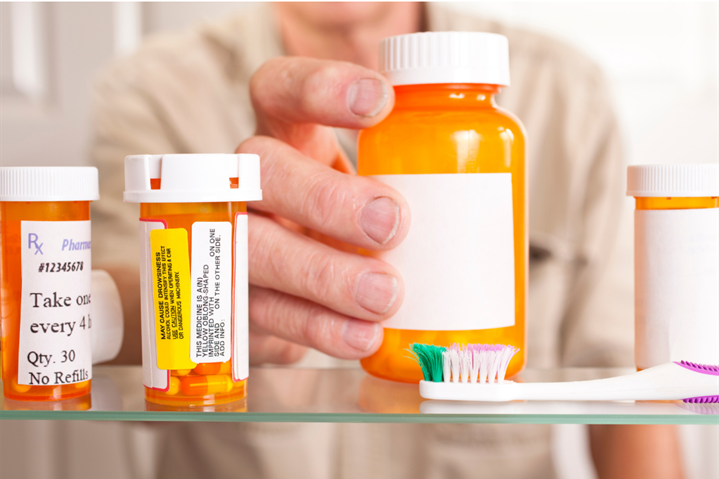
- Keep Medicine in a Safe Location: It is important to keep your medication in a safe place. A great place to store medication is in a non-communal room of your home in a hard-to-reach location that children cannot access. To add an additional layer of protection, adults should consider storing all medications in a prescription lock box.
- Safely Dispose of Medication: It is important to dispose of all unused and expired medication safely. Safe disposal methods include taking medication to an official prescription drop off location, or using an at-home prescription disposal kit. Some communities sponsor “Take Back Day” events to encourage safe medication disposal. To find a local safe disposal site near you, visit the drug disposal page at OUR Tillamook. For more information about safe medication disposal, check out the U.S Food and Drug Administration website here.
- Model Safe Medication Practices: Youth often model their behavior based upon the behaviors of parents and caretakers. Because of this, it is important for adults to model safe medication practices by asking a health professional about a prescription medications, taking the correct dosage, properly disposing of medication, and not taking medication with substances such as alcohol.
- Talk with your Children: If you have children, talk with them about medication. In the conversation, discuss the pros and cons of medication, dangers of taking someone else’s medication, family rules, safe medication practices, and let them know that they can come to you if they have further questions. To learn more about how to have these conversations, visit the Substance Abuse and Mental Health Services Administration’s (SAMHSA) Talk They Hear You Campaign.
- Know the Signs of Accidental Poisoning or Overdose: The State of Oregon has a poison control center that has information about accidental poisoning and overdose. Once you know the signs, it is important to know who can help if poisoning or overdose occur. In case of a negative reaction to a drug or accidental ingestion, contact the Oregon Poison Center number at (800)222-1222 (and for life threating emergencies call 911). If you have trouble memorizing the number, try programing it in your phone.
- Take a prevention training: Tillamook Family Counseling Center will be offering an “Introduction to Underage Substance Use and Gambling Prevention” presentation to help caring adults learn more about prevention topics. This will be presented virtually May 9th from 10:00-11:00AM. To learn more, email me at Janeanek@tfcc.org.
- Continue Learning about Safe Medication Practices, Tapering Plans, and Addiction Treatment Services: A few reliable online resources to explore these topics include the Oregon Health Authority, National Institute of Health, Substance Abuse and Mental Health Services Administration. For local information about prevention and treatment for opioid use, visit OUR Tillamook – Local Opioid Use Disorder Resource.
Other wellness questions? Email us at info@tillamookcountywellness.org. For more local health and wellness information, visit www.tillamookcountywellness.org or follow Tillamook County Wellness on Facebook and Instagram.
