











Will We Ever Stop Changing the Clocks? The Fight Over Daylight Saving Time
Every fall and spring, Americans grumble about changing the clocks—“fall back” in November, “spring forward” in March. But will this ritual ever end? Here’s the latest news on the push to stop switching between Daylight Saving Time (DST) and Standard Time, plus a look back at how we got here.
The Next Clock Change
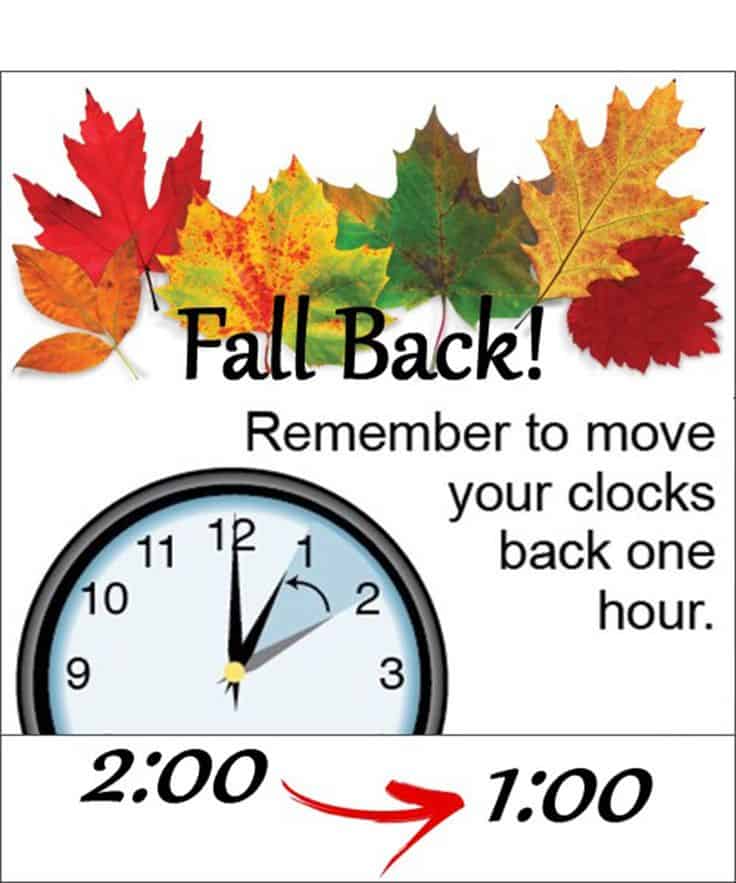
The next change happens on Sunday, November 1, 2026, at 2:00 A.M., when Daylight Saving Time ends. Clocks will “fall back” one hour to Standard Time. Most people set their clocks back before going to bed on Saturday night, so they wake up at the correct time Sunday morning.
Why We Still Change the Clocks
Studies show that many Americans feel that changing clocks is outdated:
- A 2022 CBS News poll: 33% want permanent Standard Time, 46% want permanent DST, and 21% are fine with switching twice a year.
- A 2022 Monmouth poll: 13% prefer Standard Time year-round, 44% prefer DST year-round, and 35% are okay with switching.
The debate continues: Standard Time aligns with the Sun and human circadian rhythms, while DST gives later sunsets and more evening daylight.
Does Changing the Clocks Save Energy?
Not significantly. A 2008 U.S. Department of Energy report found only a 0.5% drop in daily electricity use during extended DST weeks. Modern studies find little benefit.
Health, Safety, and Other Effects of Time Change
- Sleep & health: Standard Time aligns better with circadian rhythms. The spring switch is linked to increased heart attacks and strokes.
- Safety: Fatal accidents rise after the spring change, though robberies drop with lighter evenings.
- Mental health: The fall switch has been linked to higher rates of depression diagnoses.
- Lifestyle: Extra evening daylight boosts outdoor activity, but economic activity dips after the fall change.
See our 5 Tips to Adjust to Daylight Saving Time for help with the transition.
The Push to End Clock Changes
In recent years, public frustration has fueled political momentum to make either DST or Standard Time permanent.
- 2018–2022: Dozens of states passed resolutions or laws in favor of permanent Daylight Saving Time, though federal approval was required.
- 2022: The U.S. Senate unanimously passed the Sunshine Protection Act to make DST permanent. However, the bill stalled in the House.
- 2023–2025: New versions of the bill have been introduced, but none have advanced to law.
Who Wants to Lock the Clock?
While Congress has not yet passed legislation for permanent DST, states are taking matters into their own hands:
As of this writing, 29 states are actively pursuing some form of permanent time change.
- Permanent Daylight Saving Time: Nineteen states (Oregon is one of them) have passed laws or resolutions to adopt year-round DST once federal approval is granted.
- Permanent Standard Time: Six states are pursuing year-round Standard Time.
- Mixed or contingent initiatives: Four states have considered both options or proposals contingent on federal action.
- No initiative to change: Nineteen states have not introduced any legislation regarding DST or Standard Time.
- Already on Standard Time year-round: Hawaii and most of Arizona (except the Navajo Nation).
On June 20, 2025, Texas passed a law aiming for year-round DST, but it won’t take effect until Congress allows it.
A Brief History of Clock Changes
The U.S. has wrestled with clock changes for over a century, and permanent DST has been attempted and reversed multiple times. The United States first adopted nationwide clock changes during World War I to save energy, then again during World War II. Since 1966, the Uniform Time Act has regulated the biannual time change.
- 1918 – World War I: DST was introduced as a fuel-saving measure. Contrary to myth, farmers opposed it because shifting hours disrupted livestock and work routines. The law lasted only 7 months, though some states continued observing it locally.
- 1942–1945 – World War II: President Franklin D. Roosevelt established year-round “War Time” DST.
- 1945–1966: States observed DST inconsistently, creating confusion for transportation, broadcasting, and commerce.
- 1966 – Uniform Time Act: Signed by President Lyndon B. Johnson, this standardized DST across U.S. time zones. States could opt out, but the system became the national norm.
- 1974 – Energy Crisis: DST was made year-round to save energy, but the change was unpopular, especially because children were going to school in the dark.
- 2005 – Energy Policy Act: Established the current system of DST from the second Sunday in March to the first Sunday in November. States can opt out to stay on Standard Time, but cannot adopt year-round DST without Congress.
Exceptions today: Hawaii, most of Arizona, and U.S. territories (Puerto Rico, Virgin Islands, American Samoa, Guam, Northern Marianas) remain on Standard Time.
Where Things Stand in 2026
As of November 2026, Americans will still be changing their clocks twice a year. No federal law has passed to end the switch. A majority of states support the change in principle, but Congress must act before anything can take effect nationwide.
Will the Clock Changes Ever Stop?
The answer remains: Not yet. While the issue has bipartisan support and broad public approval, the debate continues over which time should be adopted permanently—Daylight Saving or Standard Time. Until Congress resolves the question, “springing forward” and “falling back” continue.
What Other Countries Do
Frustrations with clock changes are not limited to the U.S.:
- European Union: 80% of residents want to end seasonal clock changes.
- Countries that abolished DST: Argentina (2009), Russia (2014), Turkey (2016).
Frequently Asked Questions
When do we change clocks in 2026?
Sunday, November 1, 2026, at 2:00 A.M. Clocks “fall back” one hour.
Will this be the last time we change the clocks?
Not yet. As of October 2026, the twice-yearly clock changes remain in place in most of the United States.
The House passed the Sunshine Protection Act in July 2026, but the measure has not become law. For now, Americans in places that observe Daylight Saving Time should still plan to turn their clocks back on November 1. The debate continues over what should replace seasonal clock changes: permanent Daylight Saving Time or permanent Standard Time.
Why do we change the clocks?
Originally, to save energy during wartime; today it’s largely historical and standardized by law.
Can states stop changing their clocks?
States can opt out of DST and stay on Standard Time (like Hawaii and Arizona) but cannot adopt year-round DST without federal approval.
Does changing the clocks save energy or improve safety?
Energy savings are minimal. DST may reduce evening crime and encourage activity, but it temporarily increases car accidents and health risks, and it affects sleep and mental health.
Bottom line: The next clock change is November 1, 2026, when Americans set their clocks back 1 hour. Until Congress acts, the twice-yearly time change continues.
