




By Leanna Coy, FNP-BC
The menopausal transition is a crucial time to take steps to prevent muscle loss and improve bone strength. Learn the role protein plays in keeping you strong.
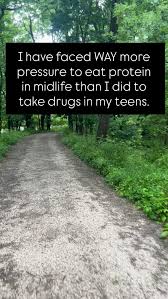
Protein-packed products are everywhere these days – from pasta to popcorn. Even Doritos and Starbucks have joined the trend. Videos on social media show influencers creating recipe after recipe of high-protein foods using cottage cheese or Greek yogurt. The phrase, “I’ve faced more peer pressure to eat protein in menopause than I did to take drugs in my teens,” is trending on social networks.
As we get older, protein becomes increasingly important for our health and well-being. This is especially true for women and those identified as female at birth as they enter midlife and beyond. Body changes, such as weight gain, especially around the abdomen – known as the ” menopause belly — become common. Muscle mass and bone density also start to decline. A high-protein diet can help manage these changes and improve overall health.
Why protein is important to the body
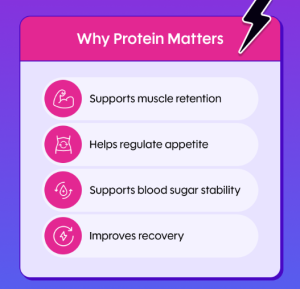 Protein is used by your body as literal building blocks to build and repair muscle, bone, and other tissues. Protein is made up of 20 amino acids, with nine of them only found in food. These nine are considered essential for immunity, nutrients, and tissue repair.
If the food you’re consuming doesn’t contain enough of the protein your body needs, you will end up eating more food overall as your body tries to reach its protein goal. Those extra fats and carbohydrates eaten along the way will settle as more body fat rather than replacing muscle. The general rule of thumb for protein intake is 0.8 grams per kilogram of body weight per day, which is about 10% of your total calorie intake.
To find your weight in kilograms, divide your weight in pounds by 2.2. Then, multiply your weight in kilograms by 0.8 to find out how many grams of protein you need each day. For example, if you weigh 150 pounds: 150 ÷ 2.2 = 68 kilograms. 68 x 0.8 = 54 grams of protein per day. Common recommendations are about 56 grams a day for men and 46 grams a day for women. These amounts support the growth and maintenance of lean muscle mass.
How protein needs change with aging
As women and those identified as female at birth age, the body begins to deplete its protein stores more rapidly. This depletion affects muscle tissue more than other tissues and is related to multiple factors, including declining hormone levels. Women lose muscle mass at a rate of 3%-5% per decade after the age of 30.
By age 60, the signs of muscle loss become much more noticeable, affecting daily activities. Carrying groceries, standing up, and exercising can become more difficult. This increases the risk of falls and broken bones and may lead to a decline in someone’s ability to care for themselves.
When this gradual loss of muscle mass and strength begins to interfere with daily life, it is known as sarcopenia. Research shows that up to 20% of older adults will experience sarcopenia. Typical signs include:
- Fatigue
- Low energy
- Weakness
- Problems with balance
- Walking slower
- Falling
What to do to manage your changing protein needs in menopause
To compensate for the loss of its precious protein resource, the body triggers an increase in hunger for it. This is your body asking for help to replace the stores. The good news is that by adding more protein, you can bring balance back to your body’s protein needs.
After menopause, daily protein needs increase. Protein helps maintain muscle mass, lowering the risk of falls and improving bone density.
- 1.2 grams of protein per kilogram of body weight a day
- 1.3 grams for those with low bone density
- 1.5 grams per kilogram if you have an active lifestyle, such as daily exercising several days a week or regular weight training
- 1.7 grams if you train for endurance events such as cycling or running
When you are recovering from a major illness or surgery, adding extra protein can help you rebound faster.
How to increase protein in your diet
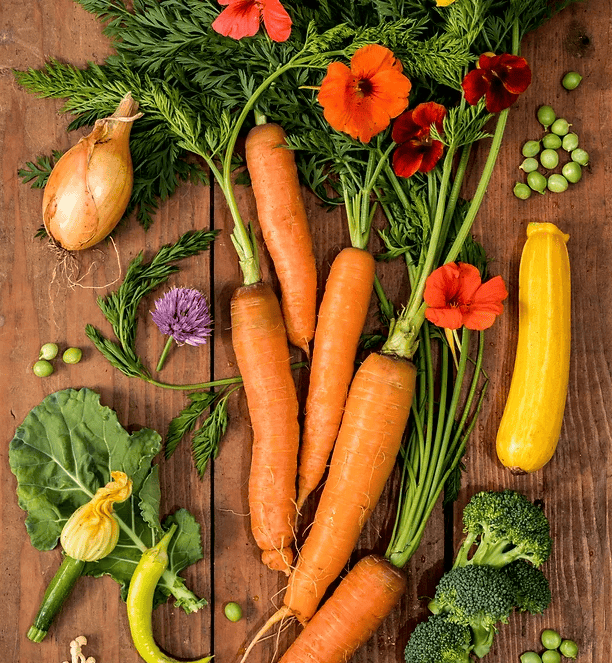
Instead of reaching for packaged foods with added protein and other additives, consider adding more protein sources from less processed foods to your diet.
- Spinach – 1 cup of cooked spinach has 6 grams of protein
- Kefir – a thin, drinkable yogurt with 10 grams of protein in 1 cup
- Tuna – 24-35 grams in 3.5 ounces, 20 grams in 3 ounces of tuna canned in water
- Hemp seeds – contain all 9 essential amino acids and 10 grams of protein in 3 tablespoons
- Cheese – 8 grams in 1 ounce of Parmesan, 35 grams in 1 cup of mozzarella
If you find you are still falling short of your protein goals, then consider adding in protein shakes and other foods fortified with protein. Just stay mindful of the other ingredients, such as sugars, sodium, and fats.
Your body changes over time. For women and those identified as female at birth, major changes begin during perimenopause. Learning to adapt your diet by increasing and maintaining protein intake can help accommodate these changes. Adding this to a regular exercise routine can help reduce your risks of developing bone loss that leads to osteoporosis and loss of muscle mass that turns into sarcopenia. Take the steps now to begin reducing these risks and profoundly affect your well-being and independence as you age.
| Foods High in Protein | Portion Size | Grams of Protein |
| Skinless, boneless chicken breast | 3 oz | 27 |
| Salmon | 3 oz | 19 |
| Egg | 1 egg | 6 |
| Tofu | ¾ cup | 10 |
| Pumpkin seeds | ¼ cup | 9 |
| Edamame, fresh or frozen | ½ cup | 9 |
| Lentils | ½ cup | 9 |
| Kidney, black, navy, cannellini beans | ½ cup | 8 |
| Hummus | ⅓ cup | 7 |
| Peanut butter | 2 Tbsp | 8 |
| Greek yogurt, plain, nonfat | ½ cup | 11 |
| Cottage cheese | ½ cup | 14 |
Adapted from Cleveland Clinic and Johns Hopkins
