










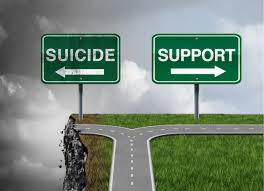
EDITOR’S NOTE: CONTENT WARNING – This article talks in detail about suicide. If you or someone you know is struggling with thoughts of suicide, please dial or text to 988. There is help and there is hope. Tillamook County has resources for counseling, grief groups and community connections – contact the Tillamook County Suicide Prevention Coalition for more information tcspcinfo@gmail.com or follow them on Facebook
By Leanna Coy, FNP BC
When Cassy Clark heard about the death of a friend and former co-worker who lost their life to suicide, old feelings were stirred up. “It was someone I knew well. We’d talk and shoot the breeze,” she says. “But she ran out of hope.”
For Clark, the incident was reminiscent of the death of her ex-boyfriend, whose suicide was similar. “Stephen was my best friend,” says Clark. They had dated for eight years and broke up when, as so many relationships do, life changed. Then, one morning she received a call from his boss because he had missed work. She went to check on him and found him on his front porch. “He had a self-inflicted gunshot wound to his right temple,” recounts Clark.
When a suicide occurs, the impact sends ripple effects through family and friends close to the person. In small or rural communities, those ripples often spread further as more people know one another and are more closely connected.
The Community Impact
The impact of a suicide death in smaller communities often touches many more people due to more community connections. It’s not just a family member, but a coworker, neighbor, or your child’s teacher.
Clark was living in rural Wrangell, Alaska, when Stephen Stough, 30, died in 2018. “He worked. He knew a lot of people in the community,” she recalls. “He was good friends with a lot of people. He was social, he was outgoing, and he always had a smile on his face.”
People have varied responses to a suicide death, and in smaller communities, the responses may be felt more deeply. Emotional responses range from shock to guilt or confusion from being unaware that the person was struggling. Others may feel anger for the life that was lost. Friends and co-workers may wonder why they didn’t know the person was struggling or if there was something they could have done to keep the tragedy from happening. These feelings may make it more difficult for them to deal with their grief.
After Stough’s death, Clark says people posted on Facebook the sadness they felt that he passed away, along with their lack of understanding as to why he would take his own life. The exception was his family. “They didn’t want anybody knowing what was going on.”
In small communities, the family of the person who lost their life to suicide may feel blamed or judged. They may feel like they should have known. In other cases, the family may worry that the community will perceive that their family was troubled in some way and that trouble led to the death. This is not helpful and can make it difficult for them as they try to process their grief.
Understanding the Rural Risks
As the 10th leading cause of death in the United States, suicide is a complex and serious public health issue. While suicide can affect anyone, rural communities, like Tillamook County, have higher rates of suicide, and those rates have been rising for many years. Between 2000 and 2020, deaths from suicide increased 46% in rural communities. Rural residents also have higher rates of emergency room visits for non-fatal self-harm.
Multiple factors contribute to the higher rates of suicide deaths and self-injury. Often, mental health services are limited in rural areas. We’ve seen this challenge in Tillamook County with a high turnover of both mental health and primary care providers. Primary care is often where someone will make their first contact for seeking help with mental health care. In the last year, seven primary care providers left practices in the county, and many of those positions remain unfilled.
Access to more lethal weapons is a big factor in rural areas where suicide deaths from a firearm are more than double the rate seen in urban areas. For women living rurally, death from a firearm is 82% higher than their urban counterparts. This relates to residents in rural areas owning more firearms, and the weapons are less likely to be routinely locked up.
Rural economic stressors contribute to the higher suicide rates as well. This includes the higher rates of unemployment, more financial instability from physically demanding and unstable industries, and poverty. Add to that the cultural values many rural communities have that emphasize self-reliance. When someone is struggling with financial issues and not meeting those ingrained values, it can put a strain on their mental health.
Managing the Grief
For those touched by the death of someone by suicide, their world is forever changed. They may never “get over” the loss, and should not be expected to, because grief is complex and painful. For some, grief can feel heavy, like something that weighs you down. For someone who blames themselves, they can carry the burden of that weight around with them all of the time, which can lead to their own depression.
Clark struggled after Stough’s death. “I got placed in a crisis center,” she recounts. “I was there for about a week because I had attempted to take my own life after Stephen died.” Nine years have passed since Stough’s death, and Clark continues to grieve. She left Wrangell and never returned. “I always convince myself somehow that he’s still secretly alive,” she says. “Because it’s easier to pretend he’s still there and I just can’t see him, than it is for me to actually acknowledge that he’s really not there.”
There is no right or wrong way to grieve. It is a process that everyone deals with differently. If you’ve been impacted by someone’s death by suicide, take care of your physical self by getting back into a routine. Seek support by finding someone to talk with about your feelings. Remember, it’s okay to feel positive emotions.
Here’s how you can help someone else who is grieving from a suicide death:
- Don’t avoid them; acknowledge their loss; say the loved one’s name when talking about them.
- Stay mindful about your word choices and responses when speaking to them about the death.
- Become a good listener and let them share their story as often as needed.
- Offer to help in specific ways, such as helping with funeral arrangements, shopping, chores, or watching kids. Check with them about any specific needs.
- Avoid judgments about the person who died or the person grieving. When someone is experiencing a loss from suicide, they are experiencing emotions that may be intense and conflicting.
Stopping the Cycle
When Stough died, he was the first of three deaths in the community that summer. There is a term for this called “suicide contagion,” where the death influences others to also take their life. Often, individuals who are struggling with depression or economic issues begin to see suicide as a way out of their pain or a solution to their problems. But there is always hope.
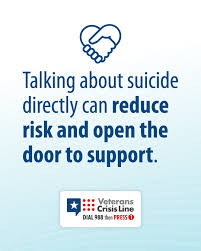
Talking openly about mental health is the first step in reducing the risk of suicidal behaviors. Those conversations need to start large at the community level so that when those smaller, personal conversations are needed, people will feel more empowered to ask for help.
Clark believes the community needs to come together to prevent more losses. “It’s open communication and everyone coming together. A counselor or a family member or even just a friend that you have, that you can count on,” she states. “You know that, one, your secrets are safe, but also that they’re there to help you and to get you through what’s going on. You’re not in it by yourself.”
Community Coming Together
The close ties smaller communities have create the opportunity for everyone to help with the healing process. Those grieving have others with a shared experience to talk through their emotions about the event. What to avoid is the spreading of rumors – which can happen quickly in small communities. Rumors are often harmful and can negatively affect the grieving family members. Avoid worsening their grief or negative feelings they may already have around the suicide death of a loved one. Instead, as a community, find ways to support them.
Clark says she was fortunate to have the support she needed. “My friends that I had in the community came together for me to help me more than I can ever repay them for.”
Everyone needs to understand that it is okay to ask for help. There is no shame in letting someone else know that you are struggling. It is often the hardest step, but the most important one. If you are struggling, find someone you can talk to – a friend, family member, co-worker. All you have to say is, “I need help.” They don’t have to have the answers to your problems, but they may guide you to the help you need.
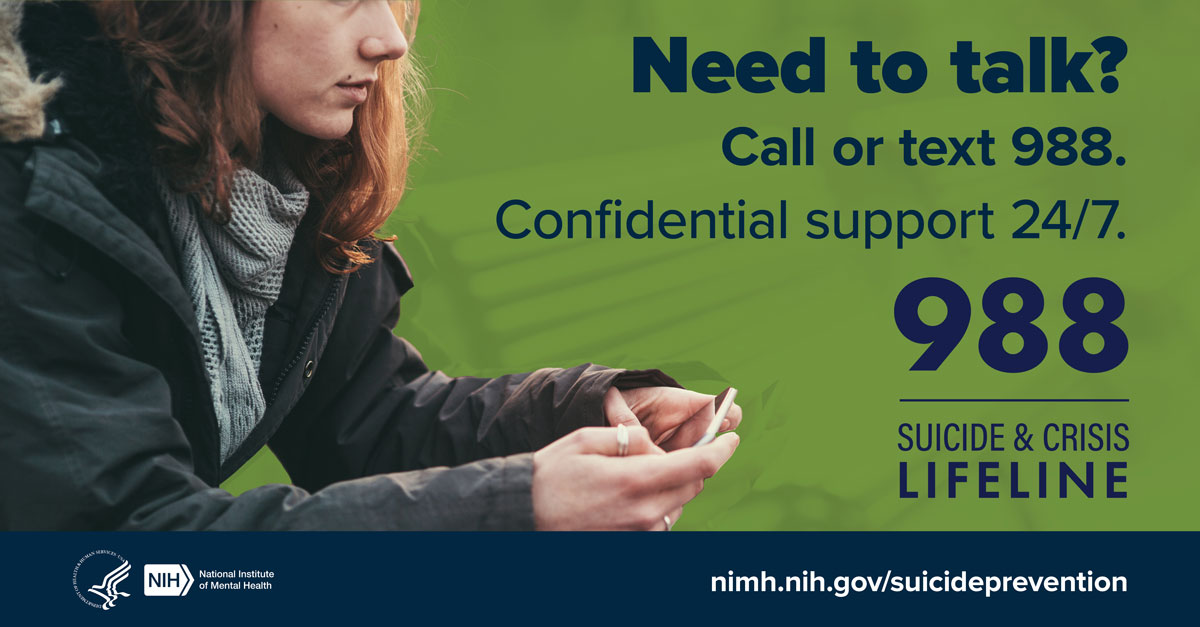
If you or someone you know is struggling with suicidal thoughts, seek help. You can start by calling 988, the Suicide and Crisis Line. You can also go with them to see their healthcare provider as support. If they are actively suicidal, call 911 or take them to the emergency room.
