






Touching grass is harder than it sounds for some of us. Here’s what has motivated me to get my daily dose of nature.
By Michelle Jenck, M Ed
Thanks to my quirky nervous system, I spend a lot of time thinking about and researching ways to calm it down. The typical advice is often “Take a deep breath” or “Get outside in nature” and more recently, “Go touch grass.” These all sound simple enough and yet, they are not practices I have found easy to adopt or stick with. Shocker, I know, from the wellness woman.
Recent research has helped me find the motivation to break through this challenge. There is strong data showing that spending about 20 to 30 minutes each day in a natural setting can lower stress hormones, improve mood, and support attention and focus for clearer thinking. It does not require a full day outside or a long hike. Just small, consistent doses that shift how the brain and body function over time.
Dr. Sabine Huemer and the Nature Engagement Studies Lab (NEST) at Oregon State University are studying this more closely. Their work looks at how nature exposure affects cognitive performance and mental well-being. I wish I’d had this exposure when I was in college. What they continue to find is that the environment we place ourselves in matters more than we realize. Natural settings measurably regulate attention, reduce mental fatigue, and support overall resilience.
This sounds easy but I’ve struggled to make these changes. Growing up with a strong work ethic, it seemed lazy or unproductive to just go outside for the sake of spending time outdoors in nature. It was easier to justify if it was for exercise or on a vacation. Time is precious, and this felt like time wasted. Sad, I know.
So, I had to make it easier. Instead of eating breakfast in five minutes standing at the counter, I take my breakfast outside or eat at a window overlooking my garden on rainy days. And I just eat. No phone. No TV. No newspaper. Just me, my yogurt or eggs, and nature. This tactic is a two-fer in that I also get exposure that all-important early daylight. More on that in a future blog post.
Other strategies include parking farther away and walking between errands and meetings, going on short walks before and after work, and taking phone calls outdoors. I’ve also started tracking my time outside using the NatureDose app. It’s free and helps me hit my goal of 120 minutes of nature exposure each week. My goal is not to become an “outdoorsy person” but to prioritize time outside for my physical and mental health. In the process, though, I’m learning to love my time outside because it feels good to feel good.
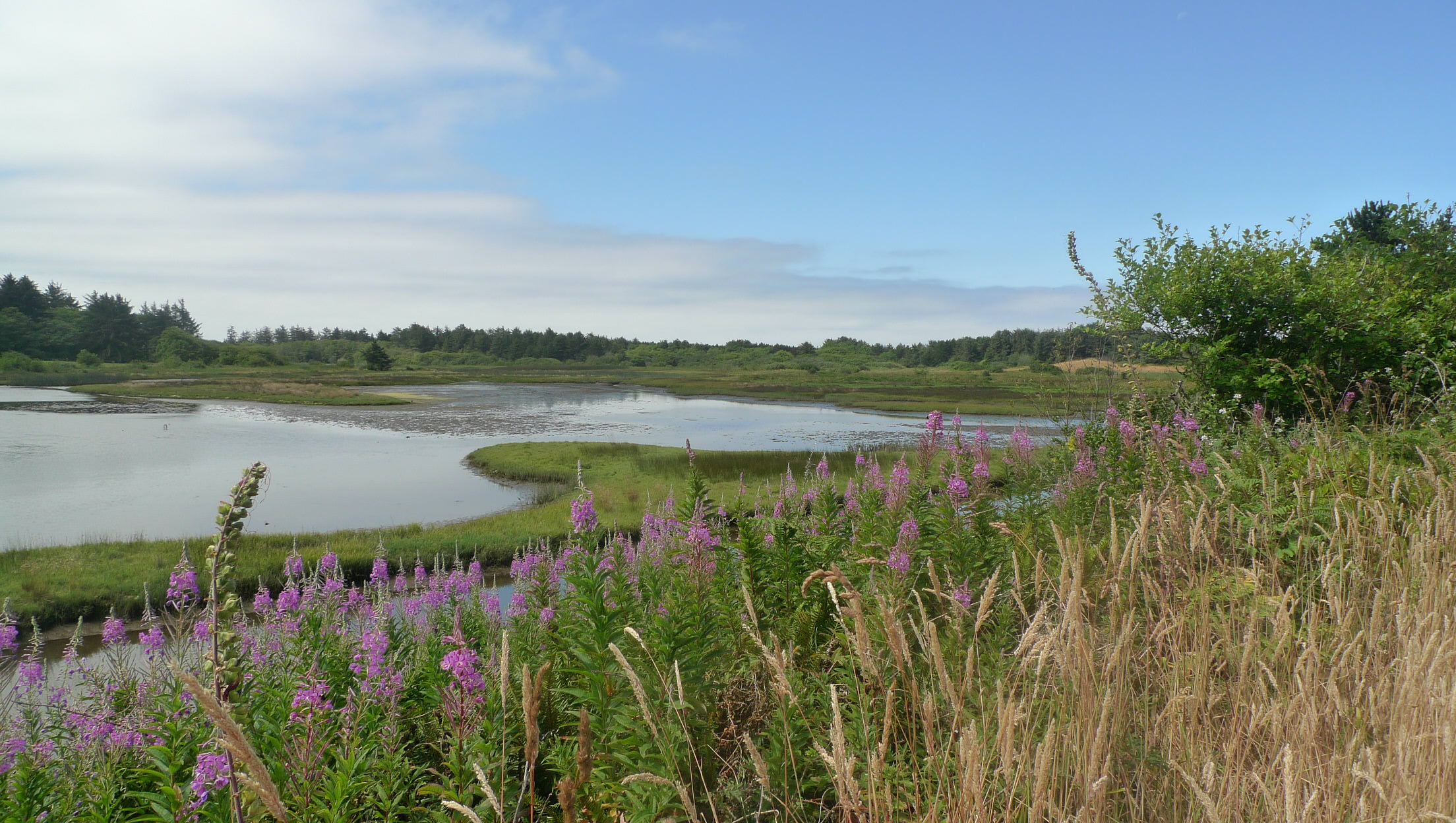
At first glance most of us would argue we don’t have time to spend in nature and for many, there is travel time involved. However, when you look at how people actually spend their time, there is a disconnect. The average adult in the United States reports around five hours of leisure time each day. That sounds like a lot of disposable time. But most of it is spent indoors, often on screens. And in Tillamook County where I live, we’re surrounded by the very thing we think we don’t have time for.
So this is less about having time, and more about how we’re choosing to use it. What are some small steps you can take to get your daily dose of nature?
Thank you for your interest. You can follow more of my work on Substack, The Tao te Mitchy, and the PQ Initiative.
Photo by Ochir-Erdene Oyunmedeg on Unsplash
