


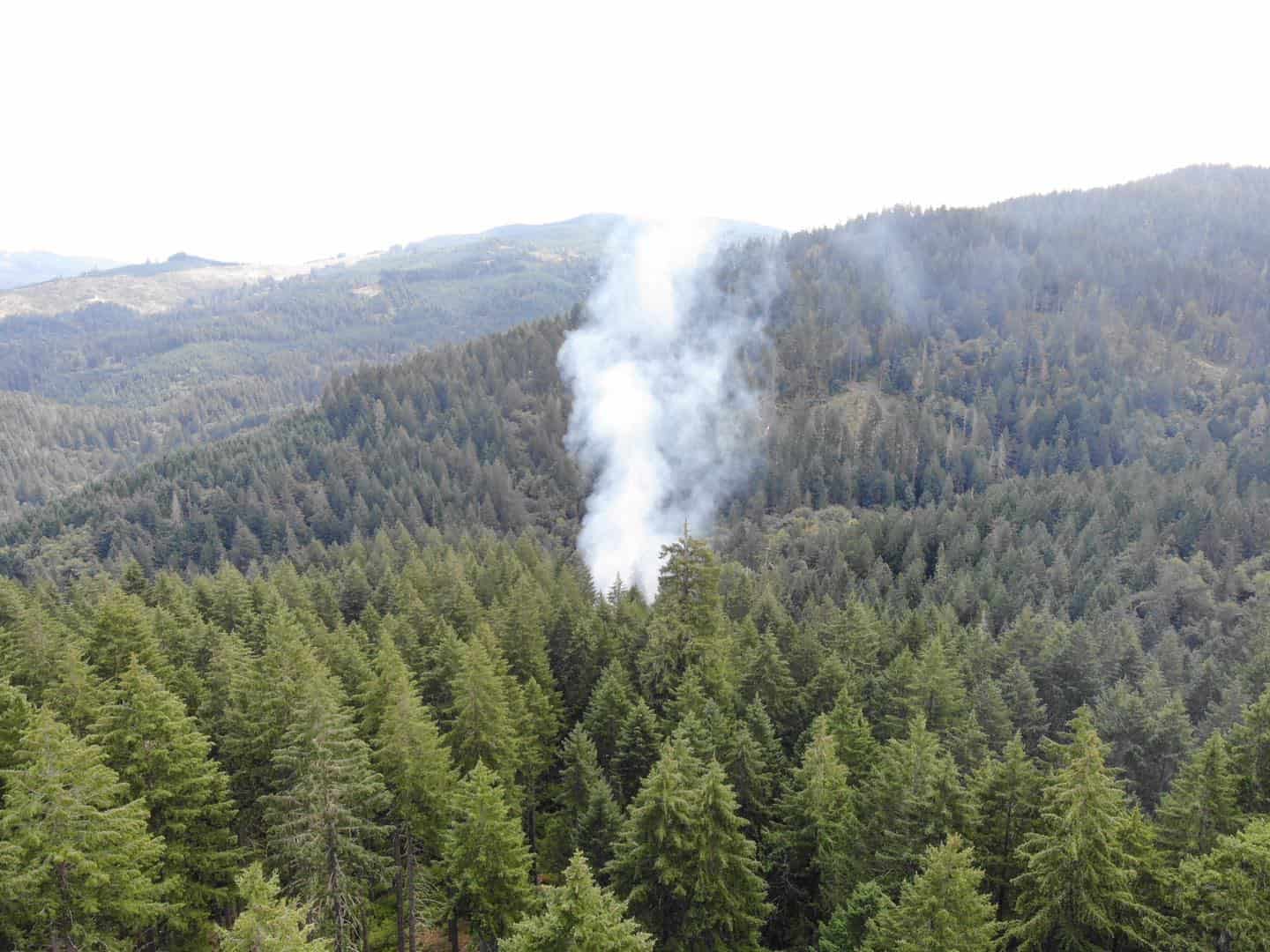









Why burnout may have less to do with workload and more to do with meaning.
 By Michelle Jenck, M Ed
We often describe burnout as running out of fuel—like a candle burned down to nothing. But that metaphor isn’t quite accurate. It assumes energy is finite, that once spent, it’s gone. What if burnout isn’t about depletion at all, but about misalignment?
Burnout is not just about being overworked. Plenty of people work long hours and feel energized, even alive. Others work far less and feel completely drained. The difference isn’t always about workload – it’s whether what we’re doing connects to something meaningful. When effort and purpose are aligned, energy tends to regenerate and even proliferate – often drawing others to align their energy with ours. When we lack this alignment, even small tasks can feel exhausting.
This is the paradox: burnout can occur not only when we do too much, but when what we do lacks a sense of meaning, purpose and connection. In those moments, we’re not just tired, we’re disconnected. Our actions feel transactional rather than purposeful, and that dissonance creates a kind of internal friction. Over time, that friction wears us down. And, if we listen to our bodies, we can come to recognize this friction and treat it as the internal signal that it is to be on guard for burnout.
Consider how different it feels to work toward something you deeply care about. You may still experience stress, even fatigue, but it’s a different quality of tiredness—one that coexists with fulfillment. There’s a sense that your energy is being invested in the service of something greater than merely spent out of obligation. Purpose acts as a renewable resource, replenishing what effort consumes.
This doesn’t mean purpose eliminates the need for rest or boundaries. Even meaningful work requires recovery. And sometimes we rest to the point of stagnation, waiting to feel reenergized. But without purpose, no amount of rest fully restores us. We return to the same misalignment, and the cycle continues. And many of us get sick as a result.
So, instead of asking, “How do I manage my workload?” we might ask, “What am I working for?” Where does my effort connect to something larger than the task itself? How does what I am doing matter? (And, trust me, it matters.)
Reconnecting with purpose doesn’t always require a dramatic life change. Sometimes it’s about reframing – seeing how your role contributes to others, to a mission, or to a future you value. Sometimes it’s about small actions which, much like a pebble thrown into a pond, have a far-reaching ripple effect that we may not even be aware of.
Burnout, then, isn’t just a signal to stop. It’s a signal to realign to what matters most to us.
Thank you for your interest. Follow my work on Substack, The Tao te Mitchy, the PQ Initiative and Divergent Ideas (coming soon).
Subscribe here for more
Photo by Elia Mazzaro on Unsplash
