





With summer officially beginning June 21, Oregon Health Authority (OHA) is encouraging people across the state to take simple steps to protect themselves from seasonal hazards that can lead to illness, injury and preventable deaths.
“Summer in Oregon offers countless opportunities to spend time outdoors with family and friends, but it’s important to recognize the health and safety risks that can come with warmer weather,” said Dean Sidelinger, M.D., M.S.Ed., health officer and state epidemiologist at OHA’s Public Health Division. “Whether you’re swimming, hiking, camping, boating or attending outdoor events, a few preventive measures can help keep you safe and healthy all season long.”
OHA recommends the following steps to reduce summer health risks:
Water safety and drowning prevention
- Learn to swim and teach children to swim. Swimming lessons reduce drowning risk.
- Fence home pools. Use a four-sided fence at least 4 feet high with self-closing, self-latching gates and remove toys from the pool when not in use.
- Wear a life jacket. Use U.S. Coast Guard–approved life jackets in natural water and for weaker swimmers in pools.
- Avoid alcohol. Never drink before or during swimming, boating, or supervising children.
- Know CPR. Learn basic life-saving skills; many organizations offer free courses.
- Be aware of natural water hazards. Currents, waves, rocks, and poor visibility can be deadly.
- Check weather conditions. Avoid swimming during or after thunderstorms.
- Use the buddy system. In open water, have someone watch you and each other.
- If someone is drowning. Reach or throw, don’t go in; you could become a victim.
Extreme heat
- Seek air-conditioned spaces, if available, when temperatures rise.
- Stay hydrated by drinking water regularly, especially when working or recreating outdoors.
- Use cool showers, misting and cold compresses to lower body temperature.
- Limit strenuous activity during the hottest parts of the day.
- Never leave children, older adults or pets in parked vehicles.
- Check in on older neighbors or family members who don’t have air conditioning.
- Learn the symptoms of heat exhaustion and heat stroke at heat.gov/heatsafety.
Sun protection
- Limit direct sun exposure between 10 a.m. and 4 p.m., when UV rays are strongest.
- Use broad-spectrum sunscreen with at least SPF 15 and reapply every two hours.
- Wear protective clothing, wide-brimmed hats and UV-protective sunglasses.
- Take breaks in shaded areas whenever possible.
Wildfire smoke
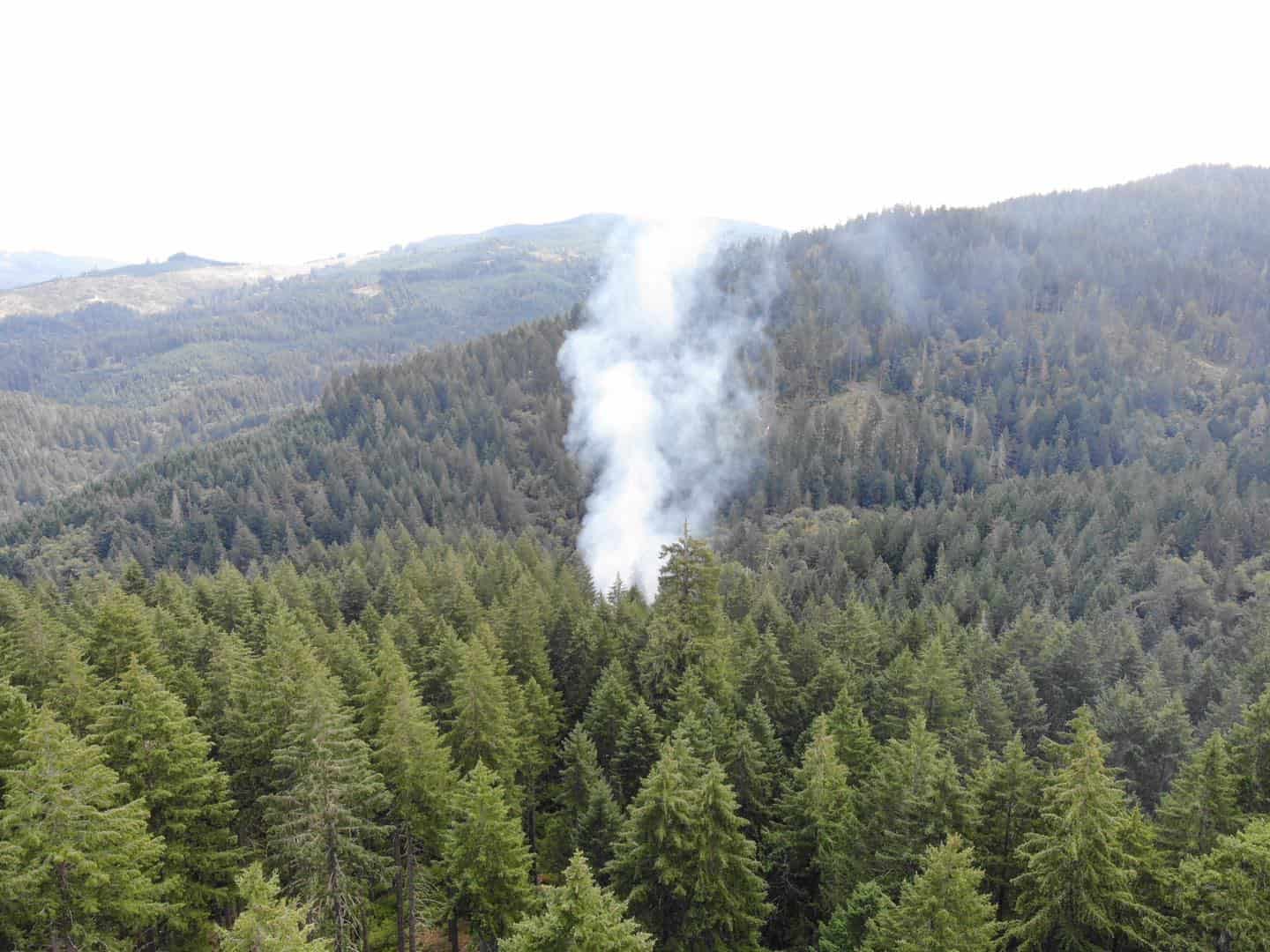
- Monitor local air quality conditions and limit outdoor activity when smoke levels are elevated.
- Create a cleaner air space at home using air filtration or a do-it-yourself box fan filter system.
- Install a MERV-13 or higher-rated filter in central air systems when possible.
- Keep windows and doors closed during smoky conditions.
- Follow medical advice if you have asthma, heart disease or other respiratory conditions.
- Visit OregonSmoke.org (OregonHumo.org in Spanish) to find the current air quality and health information.
- Review the Oregon Air Quality Activity Guide for Children and Youth for advice when planning all outdoor activities, including recess, child care outdoor play, sports events, camps, and field trips.
Mosquitoes and ticks
Mosquitoes and ticks can spread diseases such as West Nile virus and Lyme disease. To reduce risk:
- Use EPA-registered insect repellents.
- Wear long sleeves, long pants and closed-toe shoes in areas where insects are common.
- Remove standing water around homes to reduce mosquito breeding sites.
- Check yourself, children, pets and gear for ticks after spending time outdoors.
Cyanobacteria (harmful algae) blooms
Avoid contact with reservoir, lake or river water that appears:
- Bright green, blue-green, brownish-red or paint-like.
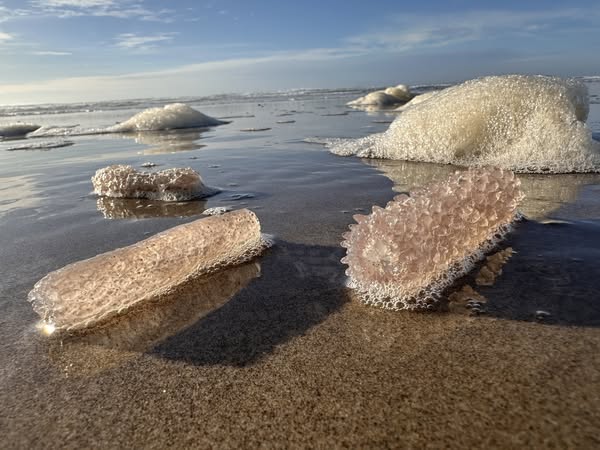
- Foamy, scummy or unusually thick.
- Containing floating mats of algae material.
- Avoid contact with mats of cyanobacteria that are attached to rocks, sand, or aquatic plants.
- Keep children and pets away from affected water and shorelines.
- Enjoy activities that have low risk of swallowing water or inhaling spray in and around bodies of water.
- Check for advisories for specific water bodies.
- Sign up for email and text alerts and learn more at: http://healthoregon.org/hab.
Beach water advisories for harmful bacteria
- Check for advisories before you head to the beach.
- If a beach is under advisory:
- Avoid swimming and swallowing ocean water.
- Avoid swimming in nearby creeks, pools of water on the beach, or in discolored water, and stay clear of water runoff flowing into the ocean. Levels of fecal bacteria can be higher in these water sources.
- Shower after playing at the beach.
- Wash your hands before eating or drinking.
- Enjoy activities such as picnicking, beach walking and kite flying.
- Even if no advisory is in effect, avoid swimming in the ocean within 48 hours after a rainstorm.
- Learn more and sign up for email and text updates about beach advisories at http://healthoregon.org/beach
Food safety
Warm temperatures can increase the risk of foodborne illness. Remember the four key food safety steps:
- Clean: Wash hands, surfaces and produce thoroughly.
- Separate: Keep raw meat, poultry, seafood and eggs separate from ready-to-eat foods.
- Cook: Use a food thermometer to ensure foods reach safe internal temperatures.
- Chill: Refrigerate perishable foods within two hours.
